- Weekly portions
- Devarim
- Haazinu
הַאֲזִינוּ
Haazinu
Moshe's last song and the covenant
- Weekly portion
- 53 of 54
- Verses
- Devarim 32:1–52
- Parts
- 4
- Reading time
- 47 min
- Views
marks places where the translation deliberately departs from the Russian original. Tap it to show the note.
Azinu, or Haazinu, – the weekly portion devoted to Moshe's last song. Alex Blend's stenogram deals with the memory of the covenant, the hope of Israel's return and the completion of Moshe's path. The Hebrew text of chapter 32 of the book of Devarim is accompanied by a transliteration, a translationThe Russian says the Hebrew text comes with a Russian translation. Since this page is in English, it simply says “a translation”. and the author's religious interpretation.
Moshe's last song
Devarim 32:1–34
With God's help we are beginning to study the weekly portion Haazinu, and we will read chapter 32 of the book of Devarim. In the previous portion we read that the Most High, as one of the last instructions, commands Moshe to compose a special song and to teach this song to the whole people of Israel, from the small to the great, so that everyone would know it, so that it would not depart from their mouths. This song is to become a song of the people. And if, or more precisely, when (here it no longer says if) the people of Israel leaves God, goes after other gods, and a rupture occurs between Israel and the Most High, this song will still live on in Israel's memory as a hope of return, as a guarantee. The testimony that the Most High is waiting for this return, the testimony that the people has a homeland, a spiritual homeland, is the covenant, which will not be broken, and the people of Israel can return to the Most High at any time.
So, our weekly portion is almost entirely devoted to this song which Moshe composed. And the weekly portion itself is called Haazinu, after the first word of this song, which means Give ear.
הַאֲזִינוּ הַשָּׁמַיִם וַאֲדַבֵּרָה וְתִשְׁמַע הָאָרֶץ אִמְרֵי־פִי׃
Ha'azínu hashamáyim va'adabbéra vetishmá ha'áretz imre-fí
1 Give ear, heavens, and I will speak, and the earth will hear the utterance of my mouth.
Heaven and earth are appointed as the listeners. As we know from verse 1 of the Torah, in the beginning God created heaven and earth. Moshe now turns to the whole universe, not only to the people of Israel. And we remember that the Most High often calls heaven and earth as witnesses, that is, the whole universe. Wherever we may be, we will always be between the heavens and the earth. And it is precisely they who will testify to us that they once heard this song.
יַעֲרֹף כַּמָּטָר לִקְחִי תִּזַּל כַּטַּל אִמְרָתִי כִּשְׂעִירִם עֲלֵי־דֶשֶׁא וְכִרְבִיבִים עֲלֵי־עֵשֶׂב׃
ya'aróf kammatár likchí tizzál kattál imratí kis'irím ale-déshe vechirvivím ale-ésev
2 Let my teaching come down like rain, let my utterance trickle like dew, like drops on the grass and like splashes on the plants.
Drops remain on the grass, splashes land on the plants, what has perhaps bounced off the ground. The Torah, or the Wisdom of the Most High, is likened here to water. And just as water reaches the plants in different ways – there is a downpour, there is rain, there is a light rain, dew, drops and splashes – depending on the plant, on the little blade of grass, the Most High delivers water in different ways, in exactly the same way the Torah is delivered to people, reaches people in different ways. And we do not pour water from a fire hose into a crystal glass, because the water will spill and the glass will break. And in some places with a pipette, in some places with a fire hose, in some places with buckets, in some places with a waterfall, the Torah will reach each and every person.
כִּי שֵׁם יְהוָה אֶקְרָא הָבוּ גֹדֶל לֵאלֹהֵינוּ׃
ki shem adonáy ekrá havú gódel lelohénu
3 When I call the name of the Most High, render greatness to our God.
When we begin to listen to the teaching of the Torah, we are obliged to bless the Creator, to be aware of the greatness of the One Whose wisdom we are now listening to, Who is instructing us. When a person instructs us in some field, in cardiology or in zoology, or explains to us how to get to the center of the city of Novosibirsk, we must understand whether this person has knowledge, whether he is a native resident of Novosibirsk, whether he has studied cardiology or zoology. When we begin to listen to the utterances of the Most High, we must understand Whose wisdom we are encountering, what kind of wisdom we are encountering, What He is like, the Most High.
הַצּוּר תָּמִים פָּעֳלוֹ כִּי כָל־דְּרָכָיו מִשְׁפָּט אֵל אֱמוּנָה וְאֵין עָוֶל צַדִּיק וְיָשָׁר הוּא׃
hattzúr tamím pa'oló ki chol-deracháv mishpát el emuná ve'én ável tzaddík veyashár hu
4 Firm as a rock, Whose deeds are all perfect, for in all His ways He is Just, a Faithful God, and there are no distortions at all in Him, Righteous and Upright is He.
The word tzur means rock, base, the foundation of everything, stronghold, hence also the word le'atzev (to give form). That is, here the word tzur originally includes all forms, but in the simple sense – precisely a rock, a foundation, a bulwark. He is subject to no one, compares His teaching with no one, does not try to be politically correct, depends on no one, is not afraid of losing anyone's support, as happens both with scholars and with preachers. There are no distortions at all in Him – He is Perfect, Upright and Truthful, His truth is absolute.
שִׁחֵת לוֹ לֹא בָּנָיו מוּמָם דּוֹר עִקֵּשׁ וּפְתַלְתֹּל׃
shichét lo lo banáv mumám dor ikkésh uftaltól
5 But is decay not from him (from man)? His sons have become maimed, a stubborn and crafty generation.
It must be said right away that this verse has many different translation variants. Into most translations, into most texts, the variant made its way that is based on the translation of Jerome of Stridon, which says: “Shichet lo lo banav – They sinned, they ceased to be His sons.” But this is far from the only and far from the most obvious translation variant. It can be translated as a kind of rhetorical question: but is decay not from him (from man himself), is corruption not from him? If we see some shortcomings, some problems manifested in man, and even the very fact that man has become perishable – this is not a decay that comes from the Most High. The maiming of His sons happened through their own fault, not because of the Most High. It is the fruit of those very shortcomings and defects which manifested themselves in His sons. But even though the sons have defects, even though this decay exists, the Most High still governs the world in perfection. It is fine to run some company when all your employees are perfect. It is much harder to run a large company when your employees are slackers, each doing whatever he pleases, lazy, disobedient and at times not interested in improving your factory.
הֲ־לַיְהוָה תִּגְמְלוּ־זֹאת עַם נָבָל וְלֹא חָכָם הֲלוֹא־הוּא אָבִיךָ קָּנֶךָ הוּא עָשְׂךָ וַיְכֹנְנֶךָ׃
ha l'adonáy tigmelu-zót am navál veló chachám halo-hu avícha kanécha hu asechá vaychonenécha
6 Is this how you repay the LORD, a base and unwise people? He is after all your Father, your Founder, He made you and prepared you.
All these shortcomings of ours, our running away from Him, our defects which are born as a result of this – they are the fruit of our ingratitude to Him. If we were grateful, if we felt gratitude, we would repay Him accordingly. Therefore here the question: “Is this how you repay, is this your recompense to the LORD?” He, of course, does not need compensation, reimbursement of His expenses, because He suffers no loss in His expenses. He seeks gratitude in us in order to govern us, so that we become perfect. When we are ungrateful, we become am naval velo chacham, a base and unwise people.
You were in His hands at every stage of your creation, and He is to this day your Father and the One Who sustains you the whole time you exist. You exist thanks to Him. What is human life? It is a fleeting phenomenon. We run through the universe like a little spark. And in order to make sense of everything that happens, we often need the advice of our ancestors, their books, their words. And further on the Most High says: “When you leave Me, then, in order to make the right decisions, remember what was before, rely on the experience of the people.”
זְכֹר יְמוֹת עוֹלָם בִּינוּ שְׁנוֹת דּוֹר־וָדוֹר שְׁאַל אָבִיךָ וְיַגֵּדְךָ זְקֵנֶיךָ וְיֹאמְרוּ לָךְ׃
zechór yemót olám bínu shenót dor vadór she'ál avícha veyaggédcha zekenécha veyomeru lach
7 Remember, consider, look closely at the previous generation, ask your father, and he will tell you; ask your elders, and they will recount it to you.
What will they recount to you? The special calling of the Jewish people.
בְּהַנְחֵל עֶלְיוֹן גּוֹיִם בְּהַפְרִידוֹ בְּנֵי אָדָם יַצֵּב גְּבֻלֹת עַמִּים לְמִסְפַּר בְּנֵי יִשְׂרָאֵל׃
behanchél elyon goyím behafridó bené adám yattzév gevulót ammím lemispár bené yisraél
8 When the Most High was settling the nations, when He was dividing people, He set the boundaries for the nations according to the number of the sons of Israel.
A strange, incomprehensible statement. Once there was one people and one language on earth – this we know. All this unity (l’unité, as one of the principles of the French Revolution), all this unification turned itself against the Most High: people began to build the Tower of Babel. It is told that in this unity they were so focused on the project that when a person died, they did not weep: we still have more people. But when a brick fell, they said: “Look, now we will have to make one more brick.” The project itself turned into something that rose above society, the unity did harm. The Most High came down, that is, He gave His revelation. When the Most High reveals Himself, our personal essence is revealed, for each of us. If the Most High has revealed Himself to me – I have come to know more of AlexThe Russian phrase can mean either “I have come to know more of Alex” (that is, of the speaker himself) or “I have come to know more than Alex”. We chose the first reading, which matches the next sentence, “he has come to know himself more”.. If the Most High has revealed Himself to my neighbor – he has come to know himself more. And when the Most High came down, a kind of division appeared. The Most High confused their language and created seventy nations, which are listed in the book of Bereshit (the curious reader will find them there). And this corresponds to the seventy sons of Israel who go down to Egypt together with Yaakov. That is, even before Yaakov appeared, before his sons appeared and they all went down to Egypt, the Most High had already provided for this correspondence. Moreover, it was not the number of the sons of Israel that was determined by the number of nations, but the other way around: the number of nations was determined by the number of the sons of Israel. That is, the destinies of the nations of the world at the very earliest stage of their formation were made dependent on the sons of Israel, on the people of Israel at its very earliest stage. The people of Israel has a special mission: its composition, its functions, its relationship with the Most High influence the destinies of other nations, the ways they are governed, even though Israel may live in exile and may be enslaved by these nations.
כִּי חֵלֶק יְהוָֹה עַמּוֹ יַעֲקֹב חֶבֶל נַחֲלָתוֹ׃
ki chélek adonáy ammó yaakóv chével nachalató
9 For the LORD's share is His people, Yaakov is the allotment of His possession.
People live in different countries, the LORD divided the territories. But the Most High Himself decided to settle, to set up headquarters for Himself, to live among the people of Israel. The habitat of the Most High is His people, this is what our verse speaks about.
At first glance a contradiction may arise: after all, the Most High is Omnipresent, He is everywhere, and the heavens cannot contain Him, and the earth cannot contain Him. But we are talking about poetics, about poetry, about metaphors, about the fact that someone is trying to explain the inaccessible to us in an understandable language. In a language accessible to us the Most High repeatedly and in many ways says that the place of His dwelling is His people.
And further on the song reminds us of the history of the relationship between Israel and the Most High.
יִמְצָאֵהוּ בְּאֶרֶץ מִדְבָּר וּבְתֹהוּ יְלֵל יְשִׁמֹן יְסֹבְבֶנְהוּ יְבוֹנְנֵהוּ יִצְּרֶנְהוּ כְּאִישׁוֹן עֵינוֹ׃
yimtza'ehu be'éretz midbár uvtóhu yelél yeshimón yesovevénhu yevonenehuThe Russian transliteration leaves out the word yevonenehu (“He watched over him”), although it stands in the Hebrew verse. The English line follows the Hebrew and includes it, without a stress mark, since the Russian line gives none. yittzerénhu ke'ishón enó
10 He found him in a desert land and against the background of the howling of the desert (like the way animals howl in the desert before sunset). He surrounded him, He watched over him and kept him, guarded him like the pupil of His eye.
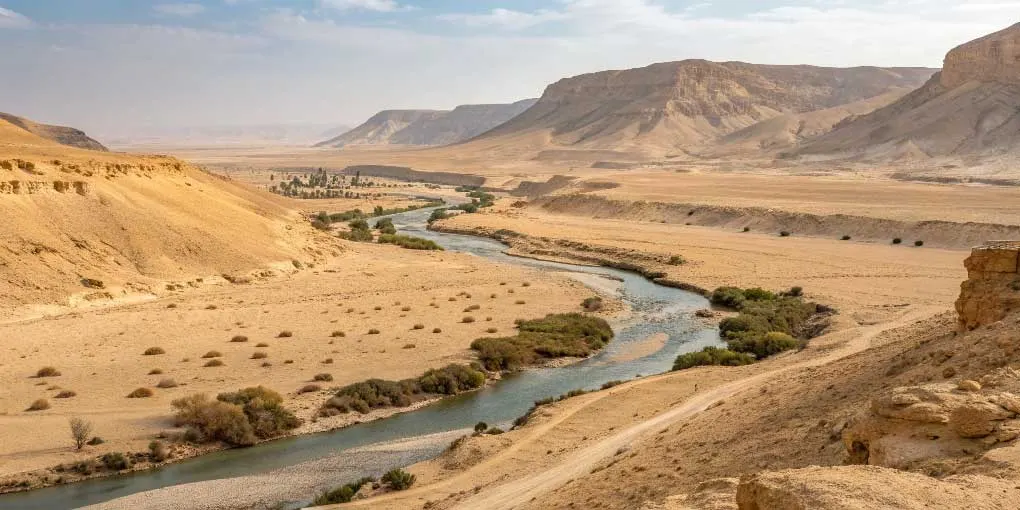
The people of Israel and the Most High have a long-standing relationship. The Most High made a covenant with Israel in the desert, and not on account of some cities and megacities which Israel had built, not on account of anything else. And there He surrounded him with care, there He tended him, cherished him and kept him like the apple of His eye.
כְּנֶשֶׁר יָעִיר קִנּוֹ עַל־גּוֹזָלָיו יְרַחֵף יִפְרֹשׂ כְּנָפָיו יִקָּחֵהוּ יִשָּׂאֵהוּ עַל־אֶבְרָתוֹ׃
kenésher ya'ír kinnó al-gozaláv yerachéf yifrós kenafáv yikkachéhu yissa'ehu al-evrató
11 Like an eagle that rouses its nest, He will hover over his fledglings, spread out His wings, take him (lift him up, raise him on high), carry him on His wing.
This is, of course, a metaphor here. It is told that before setting out on the way, the eagle gently wakes its babies. It does not come into the barracks like a sergeant major shouting, “Company, get up!” but gently, ever so quietly, wakes them. That is how the Most High awakened the people of Israel, that is how He awakens and acts in each person. Just as the eagle cares for its children and spreads its wings over them, so too the Most High carried us on His wing, carried His people on His wings.
יְהוָה בָּדָד יַנְחֶנּוּ וְאֵין עִמּוֹ אֵל נֵכָר׃
adonáy badád yanchénnu ve'én immó el nechár
12 Only the LORD Alone will lead him (only the LORD Himself leads the people of Israel), there are no other gods with Him.
The various pagan nations had not just one god. Some one supreme deity had all sorts of different helpers: a god of blacksmiths and a god of hunting, a god of theater and a god of fertility, and with all these gods one had to somehow come to terms, they were flighty, capricious and hot-tempered, and it was easy to displease one of them – in short, people got no pleasure at all from dealing with these pagan invented gods. The people of Israel was plainly, visibly, obviously to all led by one God.
יַרְכִּבֵהוּ עַל־בָּמוֹתֵי (בָּמֳתֵי) אָרֶץ וַיֹּאכַל תְּנוּבֹת שָׂדָי וַיֵּנִקֵהוּ דְבַשׁ מִסֶּלַע וְשֶׁמֶן מֵחַלְמִישׁ צוּר׃
yarkivéhu al-bámote áretz vayochál tenuvót sadáy vayenikéhu devásh misséla veshémen mechalmísh tzur
13 He will raise him up onto the heights of the earth, and they will eat the fruits of the fields, and He will feed him with honey from the rock and with oil from granite.
The word lehenik literally means to breastfeed, that is, in this way the people will suck the rock and draw honey from it. The Most High speaks here of abundant blessing, of the fact that even in a lifeless and unfruitful place Israel will feed on nourishing fruits.
חֶמְאַת בָּקָר וַחֲלֵב צֹאן עִם־חֵלֶב כָּרִים וְאֵילִים בְּנֵי־בָשָׁן וְעַתּוּדִים עִם־חֵלֶב כִּלְיוֹת חִטָּה וְדַם־עֵנָב תִּשְׁתֶּה־חָמֶר׃
chem'át bakár vachalév tzon im-chélev karím ve'elím bene-vashán ve'attudím im-chélev kilyót chittá vedam-enáv tishte-chámer
14 Cream from the cattle and milk of the small livestock, with the fat of little ewes and little rams of Bashan, and with abundance, with the juiciness of wheat, and the blood of the grape you will drink as wine.
That is, the people will live so richly that from the cattle, from the cows, they will take only the cream, the milk will not be interesting. And they will drink goat's milk and sheep's milk, which is fattier. We remember that this is a song, this is poetry, therefore wine can be called the blood of the grape. And this may partly be an answer to many readers of the Gospels who ask: how can one drink blood? Yeshua Mashiach says (Gospel of Yochanan 15:1): “I am the true vine…” Here you have a metaphor of the Torah itself – you will drink the blood of the vineyard.
The Torah has described all that abundance of blessings and care with which the Most High surrounded the people of Israel. It would seem: live, rejoice, thank the Most High… But it was not to be.
וַיִּשְׁמַן יְשֻׁרוּן וַיִּבְעָט שָׁמַנְתָּ עָבִיתָ כָּשִׂיתָ וַיִּטֹּשׁ אֱלוֹהַ עָשָׂהוּ וַיְנַבֵּל צוּר יְשֻׁעָתוֹ׃
vayishmán yeshurún vayiv'át shamánta avíta kasíta vayíttosh elóha asáhu vaynabbél tzur yeshu'ató
15 And Yeshurun grew fat, and began to kick, you grew fat, you grew thick, you became covered with fat, and he forsook God, his Creator, and he despised the foundation of his salvation.
It is worth paying attention to the fact that here for the first time the people of Israel is called by the name Yeshurun (they will see, they will understand). The people of Israel is called so because, in fact, its purpose was to bear witness to other nations. The other nations were to see not only the abundance in which the people of Israel prospers, but also gratitude, the other side of the relationship with the Most High – that which did not happen. The name Yeshurun points to a broken function, to that name which cracked at this moment.
יַקְנִאֻהוּ בְּזָרִים בְּתוֹעֵבֹת יַכְעִיסֻהוּ׃
yakni'úhu bezarím beto'evót yach'isúhu
16 He stirred up jealousy in Him by worshiping other gods and angered Him with abominations.
יִזְבְּחוּ לַשֵּׁדִים לֹא אֱלֹהַ אֱלֹהִים לֹא יְדָעוּם חֲדָשִׁים מִקָּרֹב בָּאוּ לֹא שְׂעָרוּם אֲבֹתֵיכֶם׃
yizbechú lashedím lo elóha elohím lo yeda'úm chadashím mikkaróv báu lo se'arúm avotechém
17 And they will offer sacrifices to demons, not to God, to little gods whom they did not know, new ones, from the neighbors, of whom their Fathers had not even thought.
צוּר יְלָדְךָ תֶּשִׁי וַתִּשְׁכַּח אֵל מְחֹלְלֶךָ׃
tzur yeladechá téshi vattishkách el mecholelécha
18 The One Who (from childhood) was your Creator you will forsake, and you will forget God (Who instructed you), Who fashioned you.
In this prophecy, a very sad prophecy that the people of Israel will forsake its God, a prophecy which God himself gives, there is also a good side. And the good side is that the LORD says: “I know this in advance, I am ready for this when I accept you, and this very song I give you so that You can return to Me. And return is always possible, because I have nothing defective, because decay will not come from Me.” But the punishment that will follow, the Most High's methods of upbringing, are also in the prophecy to the people of Israel, so that, when these calamities happen, the people of Israel would once again turn to this song.
Tradition says that everything in the world is contained in this song, all situations are provided for in it. And when something happens, the people of Israel can turn to this song and see that the Most High foresaw this too, that from here as well, from this point too, there is a way back.
וַיַּרְא יְהוָה וַיִּנְאָץ מִכַּעַס בָּנָיו וּבְנֹתָיו׃
vayár adonáy vayin'átz mikká'as banáv uvnotáv
19 And the LORD will see, and will become angry (indignant) because His sons and His daughters anger Him,
One can translate vayin'atz as and will be provoked. Again we use metaphors in relation to the Most High, because in reality it is impossible either to anger Him or to provoke Him. And what He shows us is not emotions which the Most High has, it is what can be conveyed to us as a parable, but through our emotions.
We want to anger Him, and He will show us His anger.
וַיֹּאמֶר אַסְתִּירָה פָנַי מֵהֶם אֶרְאֶה מָה אַחֲרִיתָם כִּי דוֹר תַּהְפֻּכֹת הֵמָּה בָּנִים לֹא־אֵמֻן בָּם׃
vayomer astíra fanáy mehém er'é ma acharitám ki dor tahpuchót hémma baním lo-emún bam
20 And He will say: “I will hide My face from them and see what their end will be, because they are a fickle generation, sons in whom there is no faithfulness (who cannot be trusted at all).
הֵם קִנְאוּנִי בְלֹא־אֵל כִּעֲסוּנִי בְּהַבְלֵיהֶם וַאֲנִי אַקְנִיאֵם בְּלֹא־עָם בְּגוֹי נָבָל אַכְעִיסֵם׃
hem kin'úni velo-él ki'asúni behavlehém va'aní akni'ém belo-ám begóy navál ach'isém
21 They stirred up jealousy in Me with a no-god, and angered Me, provoked Me with their vanity, and I will stir up jealousy in them with a no-people, with a base (worthless) people I will provoke them.
The Most High says here: “Since they have turned to foreign gods which are worth nothing, which amount to nothing, I will turn to all sorts of riffraff. This will happen in different ways. Perhaps I will bring upon them hordes of barbarians, some people who do not know Me, I will bring a no-people upon them. Perhaps I will seek My glory among these nations.” And we see this both in the New Testament and in Ninve, where the prophet Yona is sent. The Most High speaks about the future so that, when this happens, the people would understand that everything is, in essence, under control.
כִּי־אֵשׁ קָדְחָה בְאַפִּי וַתִּיקַד עַד־שְׁאוֹל תַּחְתִּית וַתֹּאכַל אֶרֶץ וִיבֻלָהּ וַתְּלַהֵט מוֹסְדֵי הָרִים׃
ki-ésh kadechá ve'appí vattikád ad-she'ól tachtít vattóchal éretz vivulá vattelahét mosedé harím
22 For anger has flared up in Me as fire and burns (smolders) to the depths of the earth, and this fire has burned up the earth and all that is on it, and the foundations of the mountains will be scorched (burned through, burned out).
That is, the fire has flared up in Him so much that He will come down from heaven and devour, burn up everything earthly, all these vain earthly affairs. The Most High will burn everything through to the foundations of the mountains. No, He will not destroy the whole earth, because here we are talking about the middle of history, not about the end of history. We can recall here the words of the apostle Kefa (2 Kefa 3:10): “The earth and everything on it will burn up.” And he is most likely speaking about all earthly affairs, that all this earthly vanity will burn up.
אַסְפֶּה עָלֵימוֹ רָעוֹת חִצַּי אֲכַלֶּה־בָּם׃
aspé alémo ra'ót chittzáy achalle-bám
23 I will gather all calamities to them, all My arrows I will discharge upon them.
מְזֵי רָעָב וּלְחֻמֵי רֶשֶׁף וְקֶטֶב מְרִירִי וְשֶׁן־בְּהֵמוֹת אֲשַׁלַּח־בָּם עִם־חֲמַת זֹחֲלֵי עָפָר׃
mezé ra'áv ulchúme réshef vekétev merirí veshen-behemót ashallach-bám im-chamát zochalé afár
24 And being struck by hunger, and blows by fire, and a bitter plague, and the tooth of beasts I will send upon them, with the venom of crawling vermin.
And hunger, and fire, and epidemics, and biting beasts, and stinging snakes – all this will come upon the people of Israel as punishment for falling away.
מִחוּץ תְּשַׁכֶּל־חֶרֶב וּמֵחֲדָרִים אֵימָה גַּם־בָּחוּר גַּם־בְּתוּלָה יוֹנֵק עִם־אִישׁ שֵׂיבָה׃
michútz teshakkel-chérev umechadarím emá gam-bachúr gam-betulá yonék im-ísh sevá
25 Outside the sword will destroy them, and inside the house there will be terror; under this fire will fall both the young man and the maiden, and the infant (nursing at the breast), and the gray-haired old man.”
Further on the Most High says why He nevertheless will not destroy the people of Israel.
אָמַרְתִּי אַפְאֵיהֶם אַשְׁבִּיתָה מֵאֱנוֹשׁ זִכְרָם׃
amárti af'ehém ashbíta me'enósh zichrám
26 I said: “I will blow on them and scatter them, I will destroy the memory of them among mankind.”
There is an interesting tale connected with this verse. There was a very famous Jewish teacher whose name was Rabbi Moshe ben Nachman (Nachmanides or Ramban). His books have partly been translated into Russian. And he had a very influential, rich disciple whose name was Avner. And over time, unfortunately, he left the faith and even became an opponent of everything Jewish. Once on Yom Kippur he ordered his servants to summon Ramban to him, and in his presence he fried a piece of pork, ate it, mocked the teacher in every possible way and spoke like this: “Well, you, Ramban, said that everything that exists on earth is written in the portion Haazinu. Here is this portion for you, find me here, Avner.” To which Ramban said: “I will find you, only give me time to pray.” And, having prayed, he said: “Here is verse 26, here there are the words af'ehem ashbita me'enosh zichram. If you read every third letter in the words (and these are alef, bet, nun, reish), you get your name.” They say that this story, this answer of Ramban, made a shocking impression on Avner. He got into a boat and sailed off who knows where. That is the kind of popular story there is. I do not vouch for its truthfulness, but it is quite interesting.
לוּלֵי כַּעַס אוֹיֵב אָגוּר פֶּן־יְנַכְּרוּ צָרֵימוֹ פֶּן־יֹאמְרוּ יָדֵינוּ רָמָה וְלֹא יְהוָה פָּעַל כָּל־זֹאת׃
lulé ká'as oyév agúr pen-yenakkerú tzarémo pen-yomerú yadénu ráma veló adonáy pa'ál kol-zót
27 If I did not take into account the indignation of the enemies, so that they would not become conceited and would not say: “Our hand, and not the LORD, has made all this.”
They will certainly not say: “It was the LORD that gave this people over to us for abuse, it was the LORD that abandoned it, it was He that gave us victory.” No, they will say: “It is we who are strong, it is our gods who allowed us to defeat the God of Israel.” And only so that they do not say this, the LORD says: “I will not give you up to destruction, I will not scatter you and will not destroy you.”
כִּי־גוֹי אֹבַד עֵצוֹת הֵמָּה וְאֵין בָּהֶם תְּבוּנָה׃
ki-góy ovád etzót hémma ve'én bahém tevuná
28 For they are a lost people, and they have no understanding.
Ovad etzot (who has lost counsel) – this is an “advice-worshipper”, one could translate it so. A person who looks for where else he could listen to some advice from some psychic or astrologer, where else he could clutch at some straw, where else he could bow down to some little tree.
לוּ חָכְמוּ יַשְׂכִּילוּ זֹאת יָבִינוּ לְאַחֲרִיתָם׃
lu chachemú yaskílu zot yavínu le'acharitám
29 If they were wise, they would understand this and would be able to grasp (anticipate, foresee, comprehend) their end.
אֵיכָה יִרְדֹּף אֶחָד אֶלֶף וּשְׁנַיִם יָנִיסוּ רְבָבָה אִם־לֹא כִּי־צוּרָם מְכָרָם וַיהוָה הִסְגִּירָם׃
echá yirdóf echád élef ushnáyim yanísu revavá im-ló ki-tzurám mecharám vadonáy hisgirám
30 How could it happen that one pursues a thousand, and two will put ten thousand to flight, unless God had given them up and the LORD had handed them over? (Why are they so foolish that in all this calamity they do not see My hand?)
כִּי לֹא כְצוּרֵנוּ צוּרָם וְאֹיְבֵינוּ פְּלִילִים׃
ki lo chetzurénu tzurám ve'oyevénu pelilím
31 Is not our Savior their savior (does not our Savior help them)? And our enemies are our judges.
This is what we should have understood, what the people of Israel should have understood: is the One Who helps them not our Savior? Is the One Who became their stronghold not the One Who was a stronghold for us? And why did He do this? Because our enemies came to be judges over us.
כִּי־מִגֶּפֶן סְדֹם גַּפְנָם וּמִשַּׁדְמֹת עֲמֹרָה עֲנָבֵמוֹ עִנְּבֵי־רוֹשׁ אַשְׁכְּלֹת מְרֹרֹת לָמוֹ׃
ki-miggéfen sedóm gafnám umishadmót amorá anavémo inneve-rósh ashkelót merorót lámo
32 For their vine is from the vine of Sedom, and their grapes are from the fields of Amora – a poisonous vineyard, bitter clusters.
חֲמַת תַּנִּינִם יֵינָם וְרֹאשׁ פְּתָנִים אַכְזָר׃
chamát tanniním yenám verósh petaním achzár
33 The venom of snakes has become wine for them, and the cruel venom of the cobra (they began to behave like a serpent).
הֲלֹא־הוּא כָּמֻס עִמָּדִי חָתֻם בְּאוֹצְרֹתָי׃
halo-hú kamús immadí chatúm be'otzerotáy
34 For all this (all that has been said above) is concealed with Me, hidden away in My treasuries.
The LORD foresaw all of this. No matter how low the people falls, no matter how the enemies exalt themselves over us, all this has been foreseen by the Most High from the beginning, in exactly the same way as He set the boundaries for the nations according to the number of the sons of Israel, knowing precisely how many of them there would be. Therefore both for those who have gone down to the very bottom, and for those who, there at the bottom, are knocking from below – for everyone the possibility of correction and return has been provided. A good opportunity to check where we feel ourselves to be incorrigible, where we cannot forgive ourselves, cannot believe that God has forgiven us, where we are still sure that we have messed up so badly that the Most High Himself cannot fix it. This is the work within ourselves that one can take up, especially on Yom Kippur.
The last thing he will see
Devarim 32:35–52
With God's help you and I continue the study of the weekly portion Haazinu, namely chapter 32 of the book of Devarim, from verse 35. Moshe continues to teach the people of Israel the song which he composed at the command of the Most High, so that it would abide with the people of Israel, accompany it on all its paths and be a witness for it of the relationship of the people with the Most High.
In the first part of the song Moshe spoke about the fact that the Most High knew in advance everything that may happen to the people of Israel, in the tiniest details. And He even divided mankind into seventy nations, according to the number of the seventy sons of Israel who would go down to Egypt. That is, He even verified their number in advance, down to a single one. And the Most High knew in advance what had not yet happened when Moshe is telling this. Moshe speaks about the future, speaks about the people falling away from the service of the Most High. Exactly as Yeshua Mashiach said to Kefa: “You will betray Me, you will deny Me.”
The Most High says to the people of Israel: “You will deny Me. You will go after other gods. I will not even say which gods, because your Fathers did not know them and no one could have supposed that you would go after these gods.” But the Most High knows in advance that this will happen. And when this happens, the people will know: why, in this song we were warned.
The Most High also speaks about the fact that He will bring nations and non-nations, some gatherings of tribes, upon the people of Israel in order to return it to Himself, in order to return it to the service of the One God. And when this happens, Israel will again have the opportunity to see in this the hand of the One God. And not only Israel, but the pagans too will have the opportunity to see Who is the Savior, and who is a vain god that cannot save. The first part of the song consisted of warnings of this kind.
In the second part, which we will continue reading from verse 35, there will be consolation to a greater degree. The Most High says that, exactly as He provided punishment for the people of Israel, He also provided protection, intercession for the people of Israel (which will also come in its time), and punishment for those nations that persecuted the people of Israel.
And the question arises: but why do the nations receive punishment if they were a scourge, an instrument of the Most High? Because they themselves did not think so at the time when they were fighting against Israel. They pursued their own personal, selfish goals, got their own pleasure, extracted their own benefit from persecuting the people of Israel. And for this they must be punished.
לִי נָקָם וְשִׁלֵּם לְעֵת תָּמוּט רַגְלָם כִּי קָרוֹב יוֹם אֵידָם וְחָשׁ עֲתִדֹת לָמוֹ׃
li nakám veshillém le'ét tamút raglám ki karóv yom eydám vechásh atidót lamó
35 Mine is vengeance and retribution at the moment when their foot slips, for the day of their downfall is near (the time of their catastrophe), and what is destined for them hastens toward them.
The Most High said in verse 34 that everything that will happen has long been stored with Him in the treasury. And He takes all events out of his treasury at the moment they come to pass, as if blowing the dust off them, and lets them go like a little boat on the water; among other things – vengeance and retribution. When these persecutors of yours stumble and totter, then know that I have taken vengeance and recompense out of My treasury, the time has come.
The word eyd means misfortune, catastrophe, downfall. For example, gloating in Hebrew is simcha le'eyd, joy at a downfall, joy at a catastrophe, that happen to others.
At the end of the verse the LORD says: “Their future is hurrying to meet them. I have hastened in time the approach of their downfall, the approach of their catastrophe, I have shortened the term of My long-suffering.” That is, even though, as we say, the Most High has his plan and everything is laid out, in time He can compress it or, out of mercy, stretch it out. And here the mercy toward the nations has come to an end, and the Most High shortened the time.
כִּי־יָדִין יְהוָה עַמּוֹ וְעַל־עֲבָדָיו יִתְנֶחָם כִּי יִרְאֶה כִּי־אָזְלַת יָד וְאֶפֶס עָצוּר וְעָזוּב׃
ki-yadín adonáy ammó ve'ál-avadáv yitnechám ki yir'é ki-ázelat yad ve'éfes atzúr ve'azúv
36 For the LORD will take up the cause of His people in judgment, and will intercede, will relent toward His servants; for He will see that the hand has weakened, that the people is powerless and has no ruler.
When He avenges his servants, He will have mercy on them. It is like a person saying to a child: “You have angered me, get out of the house.” And the child went out the door, and suddenly some evil people attack him and try to beat him. The father comes out and stands up for the child. And, standing up for him with great force, he also shows mercy to the child whom he had put outside. Here the Most High says: “I will be consoled over you when I stand up for you.” All the more so since here the people is in such a state that it has no strength even for evil. This going after other gods of theirs has led it into such a dead end that it is no longer capable of anything.
וְאָמַר אֵי אֱלֹהֵימוֹ צוּר חָסָיוּ בוֹ׃
ve'amár e elohémo tzur chasáyu vo
37 And (the LORD) will say: “Where are their gods, their refuge and shelter,
This, of course, is a rhetorical question. The Most High will see that the people has come to nowhere. And about this “nowhere” will be this mocking smile of His: “Where are the gods that you worshipped?”
אֲשֶׁר חֵלֶב זְבָחֵימוֹ יֹאכֵלוּ יִשְׁתּוּ יֵין נְסִיכָם יָקוּמוּ וְיַעְזְרֻכֶם יְהִי עֲלֵיכֶם סִתְרָה׃
ashér chélev zevachémo yochélu yishtú yen nesichám yakúmu veyazeruchém yehí alechém sitrá
38 Who ate the fat of their sacrifices and drank the wine of their libations. Well, if so, then let them rise up now, and help you, and become a refuge for you.
They believed that their gods, their idols really eat the fat that they bring, drink the wine that they bring. This is again such a rhetorical, ironic exclamation of the Most High: well, how could you, My children?
רְאוּ עַתָּה כִּי אֲנִי אֲנִי הוּא וְאֵין אֱלֹהִים עִמָּדִי אֲנִי אָמִית וַאֲחַיֶּה מָחַצְתִּי וַאֲנִי אֶרְפָּא וְאֵין מִיָּדִי מַצִּיל׃
reú attá ki aní aní hu ve'én elohím immadí aní
amít va'achayé machátzti va'aní erpá ve'én miyadí mattzíl
39 See now, then, that I – the Very Same I, and no one beside Me has acted. I kill, I bring to life, I inflict sickness, I break, I heal, and there is no salvation from Me.
See now that it is precisely I – That Very One Who was a Refuge for you. Behind everything that happened to you, when it seemed to you as if other nations were doing it – behind all this stand I. All the actors who seemed to you to be acting – they are all under My control, no higher power has acted beside Me.
This does not mean that I will now destroy all of you or do something like that. It means that there is no power that will propose an alternative plan. My design will be carried out inevitably, you have nowhere to escape from it.
כִּי־אֶשָּׂא אֶל־שָׁמַיִם יָדִי וְאָמַרְתִּי חַי אָנֹכִי לְעֹלָם׃
ki-essá el-shamáyim yadí ve'amárti chay anochí le'olám
40 For I will stretch out My hand to the heavens and say: “Living am I forever!”
This means an oath. Only the Most High lives forever. And whatever we do in our life, whatever action we perform (whether we earn money, whether we drive in a car), if at the end of this whole chain of our actions there does not stand “in order to serve the Most High,” then we live according to the flesh and not according to the spirit, we live in the temporal and not in the eternal.
There is a well-known parable about people who are engaged in hewing stone. And one man was asked: “What are you doing?” And he says: “I am hewing stone.” Another said: “I am earning money for the family – the children have to be fed.” The third said: “I am building a palace.”
In everything we do, one can ask oneself whether we see the global Divine design, whether what we are doing now has a part in eternity. If it has – this is according to the spirit, if not – this is according to the flesh. And this is connected with what the LORD says here: “I live forever, I am the Eternal.”
אִם־שַׁנּוֹתִי בְּרַק חַרְבִּי וְתֹאחֵז בְּמִשְׁפָּט יָדִי אָשִׁיב נָקָם לְצָרָי וְלִמְשַׂנְאַי אֲשַׁלֵּם׃
im-shannotí berák charbí vetochéz bemishpát yadí ashív nakám letzaráy velimsan'áy ashallém
41 If I sharpen My sword to a gleam and take judgment into My hands, then I will repay with retribution those who were hostile to Me, and to those who hate Me I will give a reckoning.
The Most High says here that He will sharpen His sword; this is such an image of a man preparing for war. Of course, the Most High has no sword in His hands; the sword of the Most High is His judgment.
And further on, also a very vivid image. After all, you and I are talking about poetry. Here is an image for you that the Most High gives of how He will stand up for His beloved people.
אַשְׁכִּיר חִצַּי מִדָּם וְחַרְבִּי תֹּאכַל בָּשָׂר מִדַּם חָלָל וְשִׁבְיָה מֵרֹאשׁ פַּרְעוֹת אוֹיֵב׃
ashkír chittzáy middám vecharbí tochál basár middám chalál veshiv'yá merósh par'ót oyév
42. I will let My arrows become drunk with blood, and My sword will devour flesh, from the blood of the slain and the captives, from the disheveled heads of My enemy.
Arrows are partly wooden, and they naturally soak up blood, pierce the body and soak up blood. And this is such an amazing image. What does it mean? This is a verse one can skip past, but it is important. The Most High says: “I take no prisoners, My sword will be drenched with blood when I stand up for the people of Israel. I command that no prisoners be taken, and My sword will also have its fill of the blood of the captives.”
When a man goes into battle, his head is naturally disheveled, tousled: no hairdo, no styling, no curls, no flisingThe Russian uses an unusual word here, apparently a hairdressing term not found in dictionaries. It is rendered as it sounds. does he have, of course, but simply disheveled hair. This is such an image, to make it easier to picture.
הַרְנִינוּ גוֹיִם עַמּוֹ כִּי דַם־עֲבָדָיו יִקּוֹם וְנָקָם יָשִׁיב לְצָרָיו וְכִפֶּר אַדְמָתוֹ עַמּוֹ׃
harninu goyím ammó ki dam-avadáv yikkóm venakám yashív letzaráv vechippér admató ammó
43 Glorify (see the glory), nations, His people (the people of Israel), because the LORD will give retribution for the blood of His servants, and through His people will take vengeance on its persecutors, and His people will atone for its land, and will atone for His people.In the Russian, the last clauses can be read with either the people or the LORD as the one who atones. The English keeps the same word order and, like the Russian, leaves the subject of the final clause unstated.”
One can understand the word goyim here as other nations: let all the nations see the glory, the protection of the people of Israel, which was despised. Or one can understand the word goyim as the tribes of Israel, which will unite and together, as one people, glorify the Most High.
Let us imagine sins and impurity in the form of a crumpled sheet of paper. If you smooth it out after that, it is hard to make it the way it was. That is, the smoothing (forgiveness, cleansing, straightening) happens, but these traces of the crumpling remain on the sheet of paper. Here atonement is a complete smoothing out, when the land gets back its original holiness. This means that the Most High Himself will be able to return and dwell on it.
Here the song of Moshe ends. The brief account of history ends with the nations of the world glorifying Israel, because Israel will repay its enemies and atone for, sanctify its land. This is the consolation that Moshe gives to the people of Israel.
Here, probably, it is time to make the following remark. Very often one has to hear sermons, stories, revelations and prophecies about how everything is just about to end. We all so want to see what we believe in. Or at least to live long enough for our children to see it. Or at least to know when it will come. The faith this song teaches here consists in this: everything has been provided for; just as you see that everything there has come true, so believe that in the future too everything will come true.
They tell that once the sages and Rabbi Akiva went up and saw the ruins of the Temple, saw a fox running about on them. And they wept – all except Rabbi Akiva: Rabbi Akiva laughed. They asked him: “Rabbi Akiva, what is so funny? This is our Temple, and it is destroyed!” Rabbi Akiva said: “If it has come true so exactly that even a fox runs about here, then all the promises will come true as well.”
One can believe that we live not according to the flesh but according to the spirit, that we are already now in the eternal, and our promises that we have will come true – even if in three hundred years, even if in four hundred years. Who is ready for this? It is hard to be ready for this. From this such prophecies are born, most often delusions, that at some Rosh haShana – it is all over. But again it is not “all over.” Remember this song! Everything is in His hands. And everything that has been promised to us will inevitably come. And one has to believe this. Even if He tarries, I will believe all the same! This is a very important remark – to believe when He tarries.
This was a brief retelling of world history through the prism of the history of the people of Israel, which Moshe wrote down in a song at the command of the Most High.
וַיָּבֹא מֹשֶׁה וַיְדַבֵּר אֶת־כָּל־דִּבְרֵי הַשִּׁירָה־הַזֹּאת בְּאָזְנֵי הָעָם הוּא וְהוֹשֵׁעַ בִּן־נוּן׃
vayavó moshé vaydabbér et-kol-divré hashira-hazzót be'ozné ha'ám hu vehoshéya bin-nún
44 And Moshe came, and told all the words of this song into the ears of his people, he and Hoshea ben Nun.
Here Yehoshua is called Hoshea in order to emphasize that Moshe is his teacher: for it was he who gave him this name.
וַיְכַל מֹשֶׁ לְדַבֵּר אֶת־כָּל־הַדְּבָרִים הָאֵלֶּה אֶל־כָּל־יִשְׂרָאֵל׃
vaychál moshé ledabbér et-kol-haddevarím ha'élle el-kol-yisraél
45 And Moshe finished speaking all these words to all Israel.
וַיֹּאמֶר אֲלֵהֶם שִׂימוּ לְבַבְכֶם לְכָל־הַדְּבָרִים אֲשֶׁר אָנֹכִי מֵעִיד בָּכֶם הַיּוֹם אֲשֶׁר תְּצַוֻּם אֶת־בְּנֵיכֶם לִשְׁמֹר לַעֲשׂוֹת אֶת־כָּל־דִּבְרֵי הַתּוֹרָה הַזֹּאת׃
vayomer alehém símu levavchém lechol-haddevarím ashér anochí me'íd bachém hayom ashér tetzavvúm et-benechém lishmór la'asót et-kol-divré hattorá hazzót
46 And he said to them: “Pay attention (literally: set your heart) to all the words with which I testify to you today, so that you command your sons to keep and do all the words of this Torah.
כִּי לֹא־דָבָר רֵק הוּא מִכֶּם כִּי־הוּא חַיֵּיכֶם וּבַדָּבָר הַזֶּה תַּאֲרִיכוּ יָמִים עַל־הָאֲדָמָה אֲשֶׁר אַתֶּם עֹבְרִים אֶת־הַיַּרְדֵּן שָׁמָּה לְרִשְׁתָּהּ׃
ki lo-davár rek hu mikkém ki-hu chayechém uvaddavár hazzé ta'aríchu yamím al-ha'adamá ashér attém overím et-hayardén shámma lerishtá
47 For this is not an empty word for you, for it is your life, and through this word, thanks to this word, you will prolong your days on that land into which you are going when you cross the Jordan, to inherit it.
This is not nonsense, this is not ideological chatter that one can let go in one ear and out the other in “spin me your yarns” mode. These are very important words for you. And this concerns those who neglect the study of Torah, saying: “But we have more important books.” Moshe says here: “No, guys, these are not empty words!”
And this is not just some territory that you will receive – this is a fertile, comfortable land; it would be good to stay on it longer. This is a place where the Most High will be present. You will spend your days not just in some country, but in the country that the Most High chose for you, in the country where you stand before the Most High.
וַיְדַבֵּר יְהוָה אֶל־מֹשֶׁה בְּעֶצֶם הַיּוֹם הַזֶּה לֵאמֹר׃
vaydabbér adonáy el-moshé be'étzem hayom hazzé lemór
48 And the LORD spoke on that very same day with Moshe, saying:
עֲלֵה אֶל־הַר הָעֲבָרִים הַזֶּה הַר־נְבוֹ אֲשֶׁר בְּאֶרֶץ מוֹאָב אֲשֶׁר עַל־פְּנֵי יְרֵחוֹ וּרְאֵה אֶת־אֶרֶץ כְּנַעַן אֲשֶׁר אֲנִי נֹתֵן לִבְנֵי יִשְׂרָאֵל לַאֲחֻזָּה׃
alé el-hár ha'avarím hazzé har-nevó ashér be'éretz mo'áv ashér al-pené yerechó ur'é et-éretz kená'an ashér aní notén livné yisraél la'achuzzá
49 “Go up onto this mountain Avarim, onto Mount Nevo, which is in the land of Moav, which is opposite Jericho, and see the land of Canaan, which I am giving to the sons (the people) of Israel as an inheritance.
On the one hand, we know that Moshe received a punishment and that he will not enter the land of Israel. On the other hand, the last thing Moshe's eyes will see is the land of Israel. We also know (2 Melachim 25:7) that King Tzidkiyahu was brought to the camp of the king of Babylon, his sons were slaughtered before his eyes and afterwards his eyes were put out, so that this would be the last thing he saw. Barbarian peoples had such a punishment. The blessing of Moshe is that the last thing his eyes will see is the land of Israel.
וּמֻת בָּהָר אֲשֶׁר אַתָּה עֹלֶה שָׁמָּה וְהֵאָסֵף אֶל־עַמֶּיךָ כַּאֲשֶׁר־מֵת אַהֲרֹן אָחִיךָ בְּהֹר הָהָר וַיֵּאָסֶף אֶל־עַמָּיו׃
umút bahár ashér attá olé shámma vehe'aséfThe Russian transliteration begins this word with a b sound (behe'asef), but the Hebrew has the conjunction “and” (ve-). The English line follows the Hebrew. el-ammécha ka'asher-mét aharón achícha behór hahár vaye'ásef el-ammáv
50 And die (you will die) on the mountain onto which you ascend, and be joined to your people, as Aharon, your brother, died on Mount Hor and was joined to his people:
Moshe is so faithful to the Most High, this is such a close union… What is death for Moshe? It is simply a transition from one state of relationship with the Most High into another. Perhaps it is like turning a record over, and Moshe will find himself in eternity. Is Moshe afraid of death? In many midrashim and in the tradition much is said about Moshe writing about this and weeping. But I think (and not I alone, there are many commentators who think so) that Moshe was on such a spiritual level at which death was no longer frightening to him.
Exactly as Aharon died, Moshe too will die. And this is a punishment. The Most High will repeat further on that this is a punishment.
עַל אֲשֶׁר מְעַלְתֶּם בִּי בְּתוֹךְ בְּנֵי יִשְׂרָאֵל בְּמֵי־מְרִיבַת קָדֵשׁ מִדְבַּר־צִן עַל אֲשֶׁר לֹא־קִדַּשְׁתֶּם אוֹתִי בְּתוֹךְ בְּנֵי יִשְׂרָאֵל׃
al ashér me'altém bi betóch bené yisraél beme-merivát kadésh midbar-tzín al ashér lo-kiddashtém otí betóch bené yisraél
51 Because you were not able to raise Me to the proper level among the sons of Israel at the waters of strife, in Kadesh, in the wilderness of Tzin; because you did not sanctify Me among the sons of Israel.
There are many commentaries, many different suppositions as to what exactly Moshe's sin consisted in, for which both he and Aharon received such a punishment. Another question: what does Aharon have to do with it, if it was Moshe who struck the rock instead of speaking to it?
Let us read from the book of Bemidbar (20:8), when the Most High says to Moshe: “Take the staff and assemble the community, you and Aharon, your brother, and speak to the rock before their eyes, that it give forth its water, and you will bring forth water for them from the rock, and you will give drink to their community and their livestock.” Rav Kook in his commentary on this verse says that here Moshe was offered two options. The first option, the option for the land of Israel – to speak with the rock. This is no longer a slave relationship, not army subordination – talk to it, you are a human being after all, you are a speaking being. The second option – you will bring forth water from it, that is, one has to knock the water out of it, not wait for favors from nature, and so give drink to the people and the livestock. Pay attention: people who are bound to one another as slaves are equated with livestock. That is the kind of metaphor it is.
Will Moshe and Aharon be able to “pull it off” as rulers not in the wilderness, where the only kind of rule is, in essence, a dictatorship, but in the land of Israel, where power will be exercised differently? Will they be able to become leaders of the new time? And so, to that level to which the Most High will rise in the land of Israel (in the opinion of Rav Kook), Moshe and Aharon did not raise the Most High, did not sanctify Him on that level. That is, this is, as it were, not a punishment, but an exam for the position that was not passed. This does not mean that the Most High says to Moshe: “On the whole you served Me flawlessly in everything, but for these blows on the rock I, the Cruel God, will punish you, and for this you will not enter the land”; it means a failed exam. It turned out that Moshe, who was the ideal leader of the people of Israel in the wilderness – long-suffering, loving, self-sacrificing – is not capable of governing the people in a different situation. And therefore the Most High says:
כִּי מִנֶּגֶד תִּרְאֶה אֶת־הָאָרֶץ וְשָׁמָּה לֹא תָבוֹא אֶל־הָאָרֶץ אֲשֶׁר־אֲנִי נֹתֵן לִבְנֵי יִשְׂרָאֵל׃
ki minnéged tir'é et-ha'áretz veshámma lo tavó el-ha'áretz asher-aní notén livné yisraél
52 And you will see the land before you, but you will not enter there, into the country that I am giving to the sons of Israel.
This too is a promise that the Most High gives to Moshe: “You will not enter there, but you will see it, and this will be the last thing you will see. Know: your mission will be accomplished, and you will see this country, although you yourself will not enter there, because you will not be able to be a ruler in that new world into which you will lead the people. But I, the LORD, will take care of it.”
Torah in 5 minutes
The main feature of our weekly portion Haazinu is that it is a chant. Moshe sings the last song to the people of Israel. When Moshe had only just met the Most High (we read about this in chapter 3 of the book of Shemot), he told Him that he was not an eloquent man, and never mind singing, he could not even speak well, therefore Aharon was given to him as a translator. But already at the very beginning of the journey with the people of Israel, with the choir, Moshe sings the song at the sea, at the splitting of the Red Sea. And further on Moshe, probably, somewhere inside himself learns to sing as well, because his last words, the last instruction to Israel – this too is a song, which has to be learned and remembered. Why a song in particular? What is special about a song? Tradition says (this is stated at the beginning of the translation of the book Shir haShirim, Targum Onkelos) that in the whole history of Israel there are ten important chants, that is, our playlist consists of ten songs.
The first is the beginning of the song for the Sabbath day (Tehillim 92:1–3). Few people know this, but tradition ascribes the first lines of this psalm to Adam, who understood that there is a chance to correct himself. And it was he who said: “It is good to give thanks to the LORD and to sing praise to Your Name, Most High, to proclaim Your mercy in the morning and Your truth – in the nights.”
The second song of the ten songs is the song at the sea, which Moshe sang in the book of Shemot (15:1–19).
The third song is the song at the well, which we read about in the book of Bemidbar (21:17–18).
The fourth song is the song from our weekly portion Haazinu, the very one that Moshe is singing now.
The fifth song is the song that Yehoshua ben Nun will sing (10:12–14), when the Most High gives him victory in the battle over five kings.
The sixth song – the song of Deborah (Shoftim 5:1–31), well, probably everyone knows it too.
The seventh is the prayer of Channa (1 Shmuel 2:1–10); it too is considered a historical chant, and the fruit of this chant is the birth of the prophet Shmuel.
The eighth song is the song of David (Tehillim 18), when David receives deliverance, is as if born anew and sings the praise of the Creator.
The ninth – the Song of all songs, Shir haShirim, written by Shlomo.
Which is the tenth song? The tenth song is the song that we have yet to sing, it is the song the prophet Yeshayahu speaks about (30:29): “You will have a song, as in the night when the festival is sanctified, and gladness of heart, as of one who goes with a pipe to go up to the mountain, to the Stronghold of Israel.” In the future, when all Israel is gathered, the people of Israel will have a new song with which it will be possible to go up to the mountain of the LORD.
Ten chants, only ten songs in a short Jewish playlist. Why are there so few songs, and why are these songs so special? If we read a book, prose, some literary work, then usually it is enough for us to read the book once in order to put it aside (although some books we sometimes reread). If we read some book connected with our work, then we may return to it, work with it. But we always want something new. Having read some book, we want a continuation, we want development, we want something new from the same writer whose book we have read, something new in the field of the same science that we are studying – we want to develop.
When we go to a concert of our favorite artist, our favorite singer, of course we want to hear new things, but we are also interested in listening to the old songs and singing them along with him. If a song is connected with good memories, then one wants to sing it again, one wants to listen to it again, it does not grow old, does not lose its relevance. About such a song one cannot say: “Well, I listened to it, I have already heard it, I don't want to listen to it anymore.” This is what is special about such a song: one wants to listen to it again, and again, and again.
And Moshe reveals to us that the Torah, in essence, is a song. And every time, at every age, from a different angle, it reveals itself to us anew. If we perceive it as a song, we want to hear it again, and again, and again, it does not become old for us, it grows together with us. This is the meaning of the weekly portion Haazinu as a song, which is why Moshe gives it in the form of a song.
Haazinu: continue reading
Read also the portion Vayelech, the portion Nitzavim, the talk about the covenants and the weekly portions of the Torah.