- Weekly portions
- Bemidbar
- Pinchas
פִּינְחָס
Pinchas
covenant of peace, inheritance and successor

- Weekly portion
- 41 of 54
- Verses
- Bemidbar 25:10–30:1
- Parts
- 9
- Reading time
- 1 h 57 min
- Views
marks places where the translation deliberately departs from the Russian original. Tap it to show the note.
Pinchas – the weekly portion about the covenant of peace, preparation for life in the land of Israel and the continuity of service. In Alex Blend’s stenogram the census of the people, the inheritance of the daughters of Tzelofchad, the appointment of Moshe’s successor and the festival offerings are examined. The Hebrew text is accompanied by a transliteration, a translationThe original says the Hebrew text comes with a “Russian translation”. Since this page is in English, it simply says “a translation”. and the author’s religious interpretation.
The long-lived priest
Bemidbar 25:10–26:11
With God’s help we are beginning the study of the weekly portion Pinchas and will read from verse 10 of chapter 25 of the book of Bemidbar. We stopped at the point where the blessed people of Israel lives in Shitim, begins close contact with the Midyanite women and cleaves to their god – Ba'al-Pe'or, the god of death, the god of the grave, the god who is connected with the underworld. The people of Israel began to make a covenant with Ba'al-Pe'or, leaving the covenant with the Most High. And when one Israelite brought a Midyanite girl into his tent, the whole people wept. And against the background of the whole people weeping, Pinchas, son of Elazar the kohen, entered the place of their seclusion, entered with a spear and killed, pierced both with the spear. Thereby the anger of the Most High was turned away from the people of Israel, and the plague that had broken out among the people stopped.
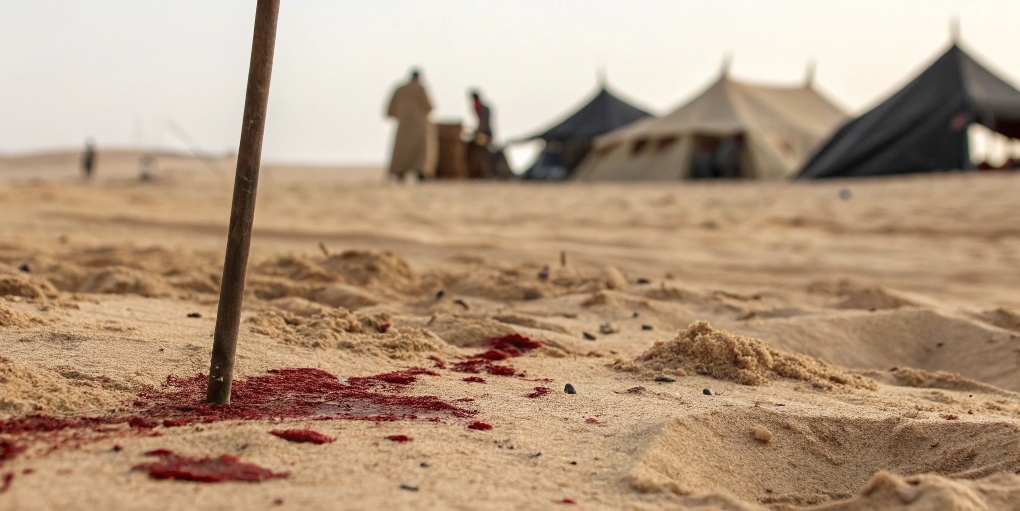
And we read the continuation of this story from verse 10 of chapter 25.
וַיְדַבֵּר יְהוָה אֶל־מֹשֶׁה לֵּאמֹר׃
vaydabbér adonáy el-moshé lemór
10 And the LORD spoke to Moshe, saying:
פִּינְחָס בֶּן־אֶלְעָזָר בֶּן־אַהֲרֹן הַכֹּהֵן הֵשִׁיב אֶת־חֲמָתִי מֵעַל בְּנֵי־יִשְׂרָאֵל בְּקַנְאוֹ אֶת־קִנְאָתִי בְּתוֹכָם וְלֹא־כִלִּיתִי אֶת־בְּנֵי־יִשְׂרָאֵל בְּקִנְאָתִי׃
pinechás ben-el'azár ben-aharón hakkohén heshív et-chamatí me'ál bene-yisraél bekan'ó et-kin'atí betochám velo-chillíti et-bene-yisraél bekin'atí
11 “Pinchas, ben Elazar, ben Aharon the kohen, turned back My anger from the sons of the people of Israel, because he displayed My zeal among them, and I did not destroy the people of Israel with my zeal.
When the zeal of the Most High showed itself, and when even one man displayed the zeal of the Most High among the people of Israel, then this one man already changed the situation so much that thereby he justified the whole people of Israel. We see here how great a danger hung over Israel at that moment, from what a great danger Pinchas delivered Israel by his deed.
לָכֵן אֱמֹר הִנְנִי נֹתֵן לוֹ אֶת־בְּרִיתִי שָׁלוֹם׃
lachén emór hinení notén lo et-berití shalóm
12 Therefore you say: behold, I give him the covenant of peace.
וְהָיְתָה לּוֹ וּלְזַרְעוֹ אַחֲרָיו בְּרִית כְּהֻנַּת עוֹלָם תַּחַת אֲשֶׁר קִנֵּא לֵאלֹהָיו וַיְכַפֵּר עַל־בְּנֵי יִשְׂרָאֵל׃
veháyeta lo ulzar'o acharáv berít kehunnát olám táchat ashér kinné leloháv vaychappér al-bené yisraél
13 And it shall be for him and for his seed after him a covenant of eternal priesthood, because he was zealous for the LORD and atoned for the people of Israel.”
So, for his deed Pinchas ben Elazar ben Aharon the kohen receives the approval of the Most High and a reward: the Most High makes a covenant of peace with him and says that Pinchas and his seed receive eternal priesthood. But we did read it, we know that Pinchas is the son of Elazar, son of Aharon the kohen, and it seems he is a kohen anyway, and, accordingly, his children are kohanim too. So what is a separate agreement needed for? Well, first, we know that Aharon and the children of Aharon were anointed for the priesthood, but the grandchildren were not anointed. Therefore it is quite possible that at that moment Pinchas had not been anointed for the priesthood. Another thought arises from recalling the origin of Pinchas. Pinchas is first mentioned in chapter 6 of the book of Shemot, in verse 25: “And Elazar, son of Aharon, took for himself a wife from the daughters of Puti'el, and she bore him Pinchas,” that is, Elazar married one of the daughters of a certain Puti'el. The commentators say that Puti'el is none other than the Egyptian Pharaoh. And it seems, on the one hand, this traces Pinchas back to Pharaoh himself, to noble Egyptian blood. On the other hand, his Jewishness, his belonging to the Jewish people, the purity of his blood is called into question. And in this the midrashim also see one of the likely reasons why he was not anointed for the service. Other commentators say: at that moment, when the Israelite brought the Midyanite woman, he led her up to Moshe and asked: “Tell me, Moshe, is this woman permitted to me? If you say that she is not permitted, then on what grounds did you take a Midyanite woman for yourself?” And because of this Moshe wept, Moshe was at a loss, and only Pinchas, receiving the spirit of God and understanding what the Most High wants, displayed Divine zeal. And this very quality of receiving the Divine spirit, of receiving the Divine will, Pinchas’s ability to display Divine zeal and to atone for the people, this is what made him a kohen. He simply bore witness to the qualities of a kohen in himself.
Pinchas himself has an amazing destiny, which can be traced both in the Tanach and in the midrashim. In the book of Yehoshua bin Nun, in chapter 22, the story is told of how the sons of the tribes of Gad, Re'uven and half the tribe of Menashe decided to build in their allotment an altar similar to Moshe’s altar. They built themselves an altar that could be seen from afar. This, of course, outraged the sons of Israel, because some alternative holy site arises, an alternative place of worship, which again could lead to the zeal of the Most High and to anger against all Israel. And the people of Israel had already gathered for a civil war against these renegades, but first decided to send a delegation headed by Pinchas, son of Elazar. Pinchas made a heartfelt speech to them, and they answered him: “The LORD – He is our LORD too, we thought nothing else. But we were afraid that because of our geographical position you would someday reject us and say: ‘You are not part of our people at all.’ And so we built a copy of the sanctuary in case you have some claim, and then we will say to you: ‘Look, see, we have exactly the same sanctuary, not for sacrifice, but it is a witness between us and you, we are of one blood with you.’” This answer satisfied Pinchas, and the civil war was prevented.
The next time we meet Pinchas is after the very sad story of the concubine from the town of Giva, within the territory of the tribe of Binyamin (book of Shoftim, 19–20). A certain man went to bring back his concubine, who had quarreled with him and gone off to her father in Beit-Lechem. He took her from her father’s house, and they went home, to the outskirts of the mountains of Efrayim. On the way they stopped to spend the night in the town of Giva. And the population gathered, and forced them to hand over the concubine, and they raped her all night. And many sad events connected with this (I do not want to go into the details) roused the whole people of Israel against the tribe of Binyamin. And we read (20:28) that Pinchas ben Elazar stood in those days for the people, and they said: “Shall I go out again to battle with the sons of Binyamin, my brother, or shall I leave it?” And the LORD said: “Go out, for tomorrow I will give him into your hand.” That is, Pinchas again tries somehow to make peace, to avoid civil war, but this time he does not succeed.
Once more we meet Pinchas in the first book of Divrei haYamim, in chapter 9, where it says that he was the leader over the Levites already in the times of David. Let us note Pinchas’s longevity: this man lived at least five centuries. This is what Scripture says directly.
And the midrashim say much more. The midrashim say that after the events described Pinchas became as it were an angel, and he is not the only one whom the midrashim made an angel.
Chanoch was taken alive to the Most High and became Metatron, the angel of the lower face (in the hierarchy of angels). Lemech became the angel of death, a midrash also says this, although not such a well-known and not such a popular one.
And here – Pinchas, one more angel who was a man and became the eternal herald of peace. He is the very angel who appeared to Gidon and Yiftach. Pinchas is identified with the prophet Eliyahu, the midrash draws very many parallels between them and says that Pinchas-Eliyahu, of whom the prophet says: “Behold, I send an angel,” will proclaim the coming of Mashiach. And if we took this idea as Messianic Jews, we would say that Pinchas is Eliyahu, who is also Yochanan the Immerser, who also testifies of himself that he came to reconcile fathers and children, that is, his goal too is reconciliation. That very covenant of peace (brít shalóm) can be seen here as a parallel. Although we need to remember that a midrash is a midrash, and it is only an attempt at a human understanding of the biblical text. Such an unusual personality – Pinchas ben Elazar, clearly long-lived and a man with a very amazing destiny.
וְשֵׁם אִישׁ יִשְׂרָאֵל הַמֻּכֶּה אֲשֶׁר הֻכָּה אֶת־הַמִּדְיָנִית זִמְרִי בֶּן־סָלוּא נְשִׂיא בֵית־אָב לַשִּׁמְעֹנִי׃
veshém ish yisraél hammukké ashér hukká et-hammidyanít zimrí ben-salú nesí vet-áv lashim'oní
14 And the name of the slain Israelite, who was slain together with the Midyanite woman, – Zimri ben Salu, and he was a chief in the house of Shimon.
The name Zimri may be connected with chanting; the word zamár – is a singer, zémer – a song, a melody, a tune. It can also mean the pruning of branches (zmirá), when, for example, grapevines are pruned so that they do not draw excess sap from the plant. The name Salu means wholeness, abundance, fullness. And Zimri ben Salu was a chief in one of the houses, in one of the five families of Shimon. This shows that Pinchas was not afraid to act against a person who held a high position among the people. That is, he did not say: “The giraffe is big, he knows better. He is the boss, and my part is a small one,” but went and, zealous with the zeal of the LORD, pierced with a spear even a big boss.
וְשֵׁם הָאִשָּׁה הַמֻּכָּה הַמִּדְיָנִית כָּזְבִּי בַת־צוּר רֹאשׁ אֻמּוֹת בֵּית־אָב בְּמִדְיָן הוּא׃
veshém ha'ishá hammukká hammidyanít kozbí vat-tzúr rosh ummót bet-áv bemidyán hu
15 And the name of the slain Midyanite woman – Kozbi, daughter of Tzur, he is the head of one of the houses in Midyan.
The name Kozbi, if we translate on the basis of modern Hebrew, is connected with the word kozév – deceptive, misleading, the verb leachzév means to disappoint. That is what they could call a girl who was born instead of a long-awaited boy. I once had occasion to talk with a girl whose name was Achzavá (disappointment). In our days and in our time her parents named her so because they wanted a boy to be born, and it is not easy for her to live with this name. And another understanding of the name Kozbi – abundance, plenty, prosperity. And, generally speaking, it can be translated exactly the same way as the name Salu. The name Tzur means a rock or a big stone. And this Tzur – he is the head of one of the houses in Midyan.
So, the man who was killed by Pinchas was called Zimri. This gave rise to a proverb. When a person embellishes his deeds, people say that he is doing the deed of Zimri and asking for a reward like Pinchas.
From verse 16 another topic begins.
וַיְדַבֵּר יְהוָה אֶל־מֹשֶׁה לֵּאמֹר׃
vaydabbér adonáy el-moshé lemór
16 And the LORD spoke to Moshe, saying:
צָרוֹר אֶת־הַמִּדְיָנִים וְהִכִּיתֶם אוֹתָם׃
tzarór et-hammidyaním vehikkitém otám
17 “Be hostile to the Midyanites, and you will strike them,
כִּי צֹרְרִים הֵם לָכֶם בְּנִכְלֵיהֶם אֲשֶׁר־נִכְּלוּ לָכֶם עַל־דְּבַר־פְּעוֹר וְעַל־דְּבַר כָּזְבִּי בַת־נְשִׂיא מִדְיָן אֲחֹתָם הַמֻּכָּה בְיוֹם־הַמַּגֵּפָה עַל־דְּבַר־פְּעוֹר׃
ki-tzorerím hem lachém benichlehém asher-nikkelú lachém al-devár pe'ór ve'al-devár kozbí vat-nesí midyán achotám hammukká veyom-hammaggefá al-devar-pe'ór
18 Because they are hostile to you in their cunning schemes, with which they schemed against you, over Pe'or and over that very Kozbi, daughter of a chief of Midyan, their sister, who was killed on the day of the plague for the connection with Pe'or.”
That is, the Most High says: “Now the Midyanites have seen that their Pe'or has been dishonored, that you have parted with him, broken the covenant with him, and for this they will take revenge on you, they are preparing all kinds of cunning schemes against you. They will plot evil against you, they will build conspiracies against you and try to wage war with you, therefore act preemptively and attack them.” From this a rule was derived: whoever plots to kill you, get ahead of him and kill him, do not wait until you are attacked.
Here chapter 25 ends, and we will continue reading from verse 1 of chapter 26.
וַיְהִי אַחֲרֵי הַמַּגֵּפָה וַיֹּאמֶר יְהוָה אֶל־מֹשֶׁה וְאֶל אֶלְעָזָר בֶּן־אַהֲרֹן הַכֹּהֵן לֵאמֹר׃
vayhí acharé hammaggefá vayomer adonáy el-moshé ve'él el'azár ben-aharón hakkohén lemór
1 And it was after the plague (the epidemic): and the LORD spoke to Moshe and to Elazar ben Aharon the kohen, saying:
Since Aharon has died, the LORD no longer addresses Moshe and Aharon, but Moshe and Aharon’s son, Elazar.
שְׂאוּ אֶת־רֹאשׁ כָּל־עֲדַת בְּנֵי־יִשְׂרָאֵל מִבֶּן עֶשְׂרִים שָׁנָה וָמַעְלָה לְבֵית אֲבֹתָם כָּל־יֹצֵא צָבָא בְּיִשְׂרָאֵל׃
se'ú et-rósh kol-adát bene-yisraél mibbén esrím shaná vamá'la levét avotám kol-yotzé tzavá beyisraél
2 “Register (count) the heads of the whole community of Israel from twenty years and upward, by the house of their fathers, everyone fit for the army in Israel.”
That is, preparing the people for the war with Midyan, the Most High commands a general mobilization. The Most High did not say: “Let ten men gather, I will perform a miracle, and you will defeat them.” No, full dedication is required on the part of the people of Israel for taking part in this war.
וַיְדַבֵּר מֹשֶׁה וְאֶלְעָזָר הַכֹּהֵן אֹתָם בְּעַרְבֹת מוֹאָב עַל־יַרְדֵּן יְרֵחוֹ לֵאמֹר׃
vaydabbér moshé ve'el'azár hakkohén otám be'arvót mo'áv al-yardén yerechó lemór
3 And Moshe and Elazar the kohen spoke with them (with the people of Israel) in the steppes of Moav, on the Jordan, near Jericho, saying:
מִבֶּן עֶשְׂרִים שָׁנָה וָמָעְלָה כַּאֲשֶׁר צִוָּה יְהוָה אֶת־מֹשֶׁה וּבְנֵי יִשְׂרָאֵל הַיֹּצְאִים מֵאֶרֶץ מִצְרָיִם׃
mibbén esrím shaná vamá'la ka'ashér tzivvá adonáy et-moshé uvné yisraél hayotze'ím me'éretz mitzráyim
4 “From twenty years and upward, as the LORD commanded Moshe and the sons of Israel who came out of Egypt.”
And here begins, actually, the listing, the count of the sons of Israel.
רְאוּבֵן בְּכוֹר יִשְׂרָאֵל בְּנֵי רְאוּבֵן חֲנוֹךְ מִשְׁפַּחַת הַחֲנֹכִי לְפַלּוּא מִשְׁפַּחַת הַפַּלֻּאִי׃
re'uvén bechór yisraél bené re'uvén chanóch mishpáchat hachanochí lefallú mishpáchat happallu'í
5 Re'uven – the firstborn of Israel. The sons of Re'uven: Chanoch and the family of Chanochi (haChanochi), Palu and the family of Palu'i (haPalu'i).
לְחֶצְרֹן מִשְׁפַּחַת הַחֶצְרוֹנִי לְכַרְמִי מִשְׁפַּחַת הַכַּרְמִי׃
lechetzrón mishpáchat hachetzroní lecharmí mishpáchat hakkarmí
6 Of Chetzron – the family of Chetzroni (haChetzroni), and of Karmi – the family of Karmi (haKarmi).
Maybe this is an opportunity to say a little about why the Torah says: “Of Karmi – Karmi’s family, of Chetzron – Chetzron’s family.” This is so that people would not say: “They lived there, in Egypt, in slavery, and the Egyptians ruled over them. And their wives were slaves of the Egyptians too, so – go figure which woman has children by whom? How do they even know that these are their children?” And therefore here the Torah gives the names: of Chetzron – Chetzron’s children, of Karmi – Karmi’s children, each has his own children, so that there would be no suspicions at all. We will talk about this more as we study chapter 26 further.
אֵלֶּה מִשְׁפְּחֹת הָרֻאוּבֵנִי וַיִּהְיוּ פְקֻדֵיהֶם שְׁלֹשָׁה וְאַרְבָּעִים אֶלֶף וּשְׁבַע מֵאוֹת וּשְׁלֹשִׁים׃
élle mishpechót haruvení vayihyú fekudehém sheloshá ve'arba'ím élef ushvá me'ót ushloshím
7 These are the families of Re'uveni; and their numbering was forty-three thousand seven hundred thirty.
וּבְנֵי פַלּוּא אֱלִיאָב׃
uvné fallú eli'áv
8 And of the sons of Palu: Eli'av.
And one of the sons of Palu was a man named Eli'av, we read about him and will recall him now.
וּבְנֵי אֱלִיאָב נְמוּאֵל וְדָתָן וַאֲבִירָם הוּא־דָתָן וַאֲבִירָם קְרוּאֵי (קְרִיאֵי) הָעֵדָה אֲשֶׁר הִצּוּ עַל־מֹשֶׁה וְעַל־אַהֲרֹן בַּעֲדַת־קֹרַח בְּהַצֹּתָם עַל־יְהוָה׃
uvné eli'áv nemu'él vedatán va'avirám hu-datán va'avirám keri'é ha'edá asher hittzú al-moshé ve'al-aharón ba'adat-kórach behattzotám al-adonáy
9 And of the sons of Eli'av: Nemu'el, and Datan, and Aviram. These are those notable Datan and Aviram who rebelled against Moshe and Aharon in the community of Korach, rebelling against the Most High.
Since the conversation has already turned to Re'uven and his descendants, the Torah reminds us what this family of Palu is and who these Datan and Aviram are.
In verse 10 the Torah again reminds us of the story:
וַתִּפְתַּח הָאָרֶץ אֶת־פִּיהָ וַתִּבְלַע אֹתָם וְאֶת־קֹרַח בְּמוֹת הָעֵדָה בַּאֲכֹל הָאֵשׁ אֵת חֲמִשִּׁים וּמָאתַיִם אִישׁ וַיִּהְיוּ לְנֵס׃
vattiftách ha'áretz et-piha vattivlá otám ve'et-kórach bemót ha'edá ba'achól ha'ésh et chamishím umatáyim ish vayihyú lenés
10 And the earth opened its mouth and swallowed them and Korach by the death of the community, and at the time when the fire devoured two hundred and fifty men, and they became a sign.
We said that besides that community there were also people who came out with fire pans to the sanctuary, laying claim to the kohen’s service, and the fire devoured them, and they became a sign, they became a byword among the nations, they became a wonder.
וּבְנֵי־קֹרַח לֹא־מֵתוּ׃
uvne-kórach lo-métu
11 But the sons of Korach did not die.
An amazing thing. The sons of Korach, as the midrash says, decided at the last moment that they were not with their father, that they did not agree with this rebellion, did not want to take part in it, and their teshuvá (repentance) at the last moment saved them from being swallowed by the underworld. Some commentators say that it was as if a pillar arose in this chasm in the earth, and the sons of Korach remained standing and were not swallowed by the underworld. We read about the sons of Korach that they were psalmists at the court of David, and there are psalms of the sons of Korach in Tehillim.
Preparing for the housewarming
Bemidbar 26:12–65
With God’s help we continue to study the weekly portion Pinchas and will read from verse 12 of chapter 26 of the book of Bemidbar. Last time we began reading the list, the report of the census, the last census before entering Israel, which Moshe and Elazar, son of Aharon, conducted by the command of the Most High, among other things also for dividing the land into allotments. We began reading it and stopped at the beginning. It is high time to talk about the first, let us say, Jewish surnames that we meet here. They are formed by adding to the name of the father of the family the little letter hey in front and at the end – the little letter yud. That is, if we meet the name Namu'el, then the surname of Namu'el’s descendants will be haNamu'eli. And, as we have already said, this is evidence that the fathers of the families are also the biological fathers of the children, so that there would be no suspicion that these children were born out of wedlock, from some Egyptian masters, under pressure, as a result of violence or of a liaison of Jewish women with Egyptians.
בְּנֵי שִׁמְעוֹן לְמִשְׁפְּחֹתָם לִנְמוּאֵל מִשְׁפַּחַת הַנְּמוּאֵלִי לְיָמִין מִשְׁפַּחַת הַיָּמִינִי לְיָכִין מִשְׁפַּחַת הַיָּכִינִי׃
bené shim'ón lemishpechotám linmu'él mishpáchat hannemu'elí leyamín mishpáchat hayaminí leyachín mishpáchat hayachiní
12 These are the sons of Shimon by their families: of Nemu'el – the family haNemu'eli, of Yamin – the family haYamini, of Yachin – the family haYachini.
לְזֶרַח מִשְׁפַּחַת הַזַּרְחִי לְשָׁאוּל מִשְׁפַּחַת הַשָּׁאוּלִי׃
lezérach mishpáchat hazzarchí lesha'úl mishpáchat hasha'ulí
13 Of Zerach – the family haZarchi, of Sha'ul – the family haSha'uli.
אֵלֶּה מִשְׁפְּחֹת הַשִּׁמְעֹנִי שְׁנַיִם וְעֶשְׂרִים אֶלֶף וּמָאתָיִם׃
élle mishpechót hashim'oní shenáyim ve'esrím élef umatáyim
14 These are the families of Shimon – twenty-two thousand two hundred.
As usually happens when the Torah gives some lists, it does not invent some new language, does not try to be literarily rich, but continues the description of all the other tribes in the very same language. So this chapter may seem boring because of this recitative of names, and nevertheless there will also be very interesting details in it.
בְּנֵי גָד לְמִשְׁפְּחֹתָם לִצְפוֹן מִשְׁפַּחַת הַצְּפוֹנִי לְחַגִּי מִשְׁפַּחַת הַחַגִּי לְשׁוּנִי מִשְׁפַּחַת הַשּׁוּנִי׃
bené gad lemishpechotám litzfón mishpáchat hattzefoní lechaggí mishpáchat hachaggí leshuní mishpáchat hashuní
15 The sons of Gad by their families: of Tzfon – the family haTzefoni, of Chagi – the family haChagi, of Shuni – the family haShuni.
לְאָזְנִי מִשְׁפַּחַת הָאָזְנִי לְעֵרִי מִשְׁפַּחַת הָעֵרִי׃
le'ozní mishpáchat ha'ozní le'erí mishpáchat ha'erí
16 Of Ozni – the family haOzni, of Eri – the family haEri.
Here, in the name Ozni, we possibly meet a pet name for the first time in the whole Torah. The name Ozni is formed from the name Ozniyahu, as, for example, the name Kolya from the name Nikolai or the name Kostya from the name Konstantin. Ozniyahu – the one whom the Most High weighs, balances. The same can also be understood as the one who hears the Most High, or the one whom the Most High hears. The point is that a person’s ears can be compared to the pans of a scale: they are on the two sides of the head and, figuratively speaking, balance through hearing the bad and the good, the kind and the ill. Therefore it is interesting that there is a connection between the word ózen (ear) and the verb le'azén (to balance), these words have the same root.
לַאֲרוֹד מִשְׁפַּחַת הָאֲרוֹדִי לְאַרְאֵלִי מִשְׁפַּחַת הָאַרְאֵלִי׃
la'aród mishpáchat ha'arodí le'ar'elí mishpáchat ha'ar'elí
17 Of Arod – the family haArodi, of Ar'el – the family haAr'eli.
אֵלֶּה מִשְׁפְּחֹת בְּנֵי־גָד לִפְקֻדֵיהֶם אַרְבָּעִים אֶלֶף וַחֲמֵשׁ מֵאוֹת׃
élle mishpechót bene-gád lifkudehém arba'ím élef vachamésh me'ót
18 These are the families of the sons of Gad by their count – forty thousand five hundred.
From verse 19 the sons of Yehuda are listed, the most numerous of all the tribes of Israel.
בְּנֵי יְהוּדָה עֵר וְאוֹנָן וַיָּמָת עֵר וְאוֹנָן בְּאֶרֶץ כְּנָעַן׃
bené yehudá er ve'onán vayámatThe Russian transliteration has “vayámot” here. The Hebrew has the vowel a in this syllable, so the English line follows the Hebrew. er ve'onán be'éretz kená'an
19 The sons of Yehuda: Er and Onan, and Er and Onan died in the land of Canaan.
We know that his two sons, Er and Onan, died long ago, even before the people went down to Egypt. And yet they are listed here. A person never forgets his sons, even the dead ones. And the Torah pays tribute to Yehuda by mentioning these sons of his.
וַיִּהְיוּ בְנֵי־יְהוּדָה לְמִשְׁפְּחֹתָם לְשֵׁלָה מִשְׁפַּחַת הַשֵּׁלָנִי לְפֶרֶץ מִשְׁפַּחַת הַפַּרְצִי לְזֶרַח מִשְׁפַּחַת הַזַּרְחִי׃
vayihyú vene-yehudá lemishpechotám leshelá mishpáchat hashelaní leféretz mishpáchat happartzí lezérach mishpáchat hazzarchí.
20 And so the sons of Yehuda by their families, of those who were alive at that time, were: of Shela – the family haShelani, of Peretz – the family haPartzi, of Zerach – the family haZarchi.
Of course, over time surnames tend to change. Today it is hard to meet a person with the surname haPartzi. But a person with the surname Péretz is quite easy to meet, very many Eastern Jews bear this surname. And tradition says that they belong to the descendants of King David. Among other Eastern families that bear surnames of the house of David (since we have started talking about it), one can mention the surname Dayan (judge) and the surname Mani. Mani – this is literally an abbreviation of Min Netzar Ishai (from the descendants of Ishai), that is, from the descendants of David. And the surname Kárga also belongs to the descendants of the court of David. Most likely, Lurie, Rubinstein, Charlap and Grossman, among the Ashkenazi Jews, belong to the descendants of David. And if someone has such a surname in the family, then one can suppose (of course, with a great deal of caution) that King David is one of your ancestors. Such are these telling surnames. The fact that they are mentioned in the Torah in a different form shows that they were like this, they sounded like this at the moment when the people of Israel was entering the Holy Land. Naturally, there could not have been any Rubinsteins anywhere near at that time. But such are the twists of history that David ben Ishai begot somewhere there, later on, the family of the Rubinsteins too. So there you have the first namesakes in history.
Let us note that Zerach and the family haZarchi exist both among the sons of Shimon and among the sons of Yehuda.
וַיִּהְיוּ בְנֵי־פֶרֶץ לְחֶצְרֹן מִשְׁפַּחַת הַחֶצְרֹנִי לְחָמוּל מִשְׁפַּחַת הֶחָמוּלִי׃
vayihyú vene-féretz lechetzrón mishpáchat hachetzroní lechamúl mishpáchat hechamulí
21 And so the sons of Peretz: of Chetzron – the family haChetzroni, of Chamul – the family heChamuli.
אֵלֶּה מִשְׁפְּחֹת יְהוּדָה לִפְקֻדֵיהֶם שִׁשָּׁה וְשִׁבְעִים אֶלֶף וַחֲמֵשׁ מֵאוֹת׃
élle mishpechót yehudá lifkudehém shishá veshiv'ím élef vachamésh meót
22 This is the list of the families of Yehuda by their count – seventy-six thousand five hundred.
בְּנֵי יִשָּׂשכָר לְמִשְׁפְּחֹתָם תּוֹלָע מִשְׁפַּחַת הַתּוֹלָעִי לְפֻוָה מִשְׁפַּחַת הַפּוּנִי׃
bené yissachár lemishpechotám tolá mishpáchat hattola'í lefuvá mishpáchat happuní
23 The sons of Yissachar by their families: of Tola – the family haTola'i, of Puva – the family haPuni.
The name Tola, of course, has no connection to the modern name Anatoly. It comes from tolá'at shaní (a thread or wool dyed crimson). Perhaps it will be interesting to note that the name Puva is also connected with dyeing: it is the name of a plant (dyer’s madder), which is also used in dyeing fabrics. Both these names most likely became clan names, that is, commonly used, traditional names in the tribe of Yissachar. In the book of Shoftim (10:1–2) we read the story of a man named Tola ben Pua, who arose to save Israel and was judge for twenty-three years. He is from the tribe of Yissachar, although he lived and was buried in Shamir, in the mountains of Efrayim. That is, these very two names are mentioned here, though no longer as the names of brothers, but as the names of son and father. We will talk about Shamir in just a moment too.
לְיָשׁוּב מִשְׁפַּחַת הַיָּשׁוּבִי לְשִׁמְרֹן מִשְׁפַּחַת הַשִּׁמְרֹנִי׃
leyashúv mishpáchat hayashuví leshimrón mishpáchat hashimroní
24 Of Yashuv – the family haYashuvi, of Shimron – the family haShimroni.
The son of Yissachar Yashuv, who is mentioned in this verse, – is the same man who is called Yov in the book of Bereshit (46:13) among those going down to Egypt with Yaakov. The name Shimrón can be connected with the word shamír (one who is able to cut stones, piercing stones) or with the verb leshamér – to keep, that is, will be kept. Some commentators say that the very village of Shamir, in which the above-mentioned savior of Israel, Tola ben Pui, lived, is named after this very Shimron, one of the sons of Yissachar.
אֵלֶּה מִשְׁפְּחֹת יִשָּׂשכָר לִפְקֻדֵיהֶם אַרְבָּעָה וְשִׁשִּׁים אֶלֶף וּשְׁלֹשׁ מֵאוֹת׃
élle mishpechót yissachár lifkudehém arba'á veshishím élef ushlósh meót
25 These are the families of Yissachar by their count – sixty-four thousand three hundred.
בְּנֵי זְבוּלֻן לְמִשְׁפְּחֹתָם לְסֶרֶד מִשְׁפַּחַת הַסַּרְדִּי לְאֵלוֹן מִשְׁפַּחַת הָאֵלֹנִי לְיַחְלְאֵל מִשְׁפַּחַת הַיַּחְלְאֵלִי׃
bené zevulún lemishpechotám leséred mishpáchat hassardí le'elón mishpáchat ha'eloní leyachle'él mishpáchat hayachle'elí
26 The sons of Zevulun by their families: of Sered – the family haSardi, of Eilon – the family haEiloni, of Yachle'el – the family haYachle'eli.
And about this name, Eilon, we can also say that it became a clan name, became a name widespread in the tribe of Zevulun. In the same book of Shoftim (12:11–12) we read: “And after him Eilon the Zevulunite judged Yisrael, and he judged Yisrael 10 years. And Eilon the Zevulunite died and was buried in Eilon (and the place, the town is named after these sons), in the land of Zevulun.” So we see that this is how names take root and become clan names. Here we already have a third example.
אֵלֶּה מִשְׁפְּחֹת הַזְּבוּלֹנִי לִפְקֻדֵיהֶם שִׁשִּׁים אֶלֶף וַחֲמֵשׁ מֵאוֹת׃
élle mishpechót hazzevuloní lifkudehém shishím élef vachamésh meót
27 These are the families of Zevulun by their census – sixty thousand five hundred.
בְּנֵי יוֹסֵף לְמִשְׁפְּחֹתָם מְנַשֶּׁה וְאֶפְרָיִם׃
bené yoséf lemishpechotám menashé ve'efráyim
28 The sons of Yosef by families: Menashe and Efrayim.
בְּנֵי מְנַשֶּׁה לְמָכִיר מִשְׁפַּחַת הַמָּכִירִי וּמָכִיר הוֹלִיד אֶת־גִּלְעָד לְגִלְעָד מִשְׁפַּחַת הַגִּלְעָדִי׃
bené menashé lemachír mishpáchat hammachirí umachír holíd et-gil'ád legil'ád mishpáchat haggil'adí
29 The sons of Menashe: of Machir – the family haMachiri, and Machir begot Gil'ad, and of Gil'ad – the family haGil'adi.
אֵלֶּה בְּנֵי גִלְעָד אִיעֶזֶר מִשְׁפַּחַת הָאִיעֶזְרִי לְחֵלֶק מִשְׁפַּחַת הַחֶלְקִי׃
élle bené gil'ád i'ézer mishpáchat ha'i'ezrí lechélek mishpáchat hachelkí
30 And these are the sons of Gil'ad: of I'ezer – the family haI'ezri, of Chelek – the family haChelki.
וְאַשְׂרִיאֵל מִשְׁפַּחַת הָאַשְׂרִאֵלִי וְשֶׁכֶם מִשְׁפַּחַת הַשִּׁכְמִי׃
ve'asri'él mishpáchat ha'asri'elí veshéchem mishpáchat hashichmí
31 Of Asri'el – the family haAsri'eli, and of Shechem – the family haShichmi.
The name Shechem means shoulder – one who is ready to lend a shoulder, a support in life.
וּשְׁמִידָע מִשְׁפַּחַת הַשְּׁמִידָעִי וְחֵפֶר מִשְׁפַּחַת הַחֶפְרִי׃
ushmidá mishpáchat hashemida'í vechéfer mishpáchat hachefrí
32 Of Shmida – the family haShemida'i, and of Chefer – the family haChefri.
וּצְלָפְחָד בֶּן־חֵפֶר לֹא־הָיוּ לוֹ בָּנִים כִּי אִם־בָּנוֹת וְשֵׁם בְּנוֹת צְלָפְחָד מַחְלָה וְנֹעָה חָגְלָה מִלְכָּה וְתִרְצָה׃
utzlofchád ben-chéfer lo-háyu lo baním ki im-banót veshém benót tzelofchád machlá veno'á choglá milká vetirtzá
33 And Tzelofchad ben Chefer had no sons, but only daughters, and the name of the daughters of Tzelofchad: Machla (the one who gives health), No'a (a beauty) and Chogla (a rock partridge or chukar), Milka (the one who will reign, a princess) and Tirtza (the one who will please the Creator).
אֵלֶּה מִשְׁפְּחֹת מְנַשֶּׁה וּפְקֻדֵיהֶם שְׁנַיִם וַחֲמִשִּׁים אֶלֶף וּשְׁבַע מֵאוֹת׃
élle mishpechót menashé ufkudehém shenáyim vachamishím élef ushvá meót
34 And here is the family of Menashe and their count – fifty-two thousand seven hundred.
The Torah does not list all the sons of Menashe here. Further on, in chapter 32 of our same book (41–42), we will read about two more sons of Menashe, Yair and Novach, who remained on the other side of the Jordan. We know that the tribe of Menashe divided, and in this case only those who will enter the land of Israel are listed.
אֵלֶּה בְנֵי־אֶפְרַיִם לְמִשְׁפְּחֹתָם לְשׁוּתֶלַח מִשְׁפַּחַת הַשֻּׁתַלְחִי לְבֶכֶר מִשְׁפַּחַת הַבַּכְרִי לְתַחַן מִשְׁפַּחַת הַתַּחֲנִי׃
élle vene-efráyim lemishpechotám leshutélach mishpáchat hashutalchí levécher mishpáchat habbachrí letáchan mishpáchat hattachaní
35 And these are the sons of Efrayim by their families: of Shutelach – the family haShutalchi, of Becher – the family haBachri, and of Tachan – the family haTachani.
וְאֵלֶּה בְּנֵי שׁוּתָלַח לְעֵרָן מִשְׁפַּחַת הָעֵרָנִי׃
ve'élle bené shutálach le'erán mishpáchat ha'eraní
36 And these are the sons of Shutelach: of Eiran – the family haEirani.
אֵלֶּה מִשְׁפְּחֹת בְּנֵי־אֶפְרַיִם לִפְקֻדֵיהֶם שְׁנַיִם וּשְׁלֹשִׁים אֶלֶף וַחֲמֵשׁ מֵאוֹת אֵלֶּה בְנֵי־יוֹסֵף לְמִשְׁפְּחֹתָם׃
élle mishpechót bene-efráyim lifkudehém shenáyim ushloshím élef vachamésh meót élle vene-yoséf lemishpechotám
37 And this is the count of the families of Efrayim – thirty-two thousand and five hundred. This is the count of the sons of Yosef.
בְּנֵי בִנְיָמִן לְמִשְׁפְּחֹתָם לְבֶלַע מִשְׁפַּחַת הַבַּלְעִי לְאַשְׁבֵּל מִשְׁפַּחַת הָאַשְׁבֵּלִי לַאֲחִירָם מִשְׁפַּחַת הָאֲחִירָמִי׃
bené vinyamín lemishpechotám levéla mishpáchat habbal'í le'ashbél mishpáchat ha'ashbelí la'achirám mishpáchat ha'achiramí
38 These are the sons of Binyamin by their families: of Bela – the family haBal'i, of Ashbel – the family haAshbeli, of Achiram – the family haAchirami.
לִשְׁפוּפָם מִשְׁפַּחַת הַשּׁוּפָמִי לְחוּפָם מִשְׁפַּחַת הַחוּפָמִי׃
lishfufám mishpáchat hashufamí lechufám mishpáchat hachufamí
39 Of Shfufam – the family haShufami, of Chufam – the family haChufami.
וַיִּהְיוּ בְנֵי־בֶלַע אַרְדְּ וְנַעֲמָן מִשְׁפַּחַת הָאַרְדִּי לְנַעֲמָן מִשְׁפַּחַת הַנַּעֲמִי׃
vayihyú vene-véla árd vena'amán mishpáchat ha'ardí lena'amán mishpáchat hanna'amí
40 And among the sons of Bela: Ard and Na'aman, of Ard – the family haArdi, of Na'aman – the family haNa'ami.
אֵלֶּה בְנֵי־בִנְיָמִן לְמִשְׁפְּחֹתָם וּפְקֻדֵיהֶם חֲמִשָּׁה וְאַרְבָּעִים אֶלֶף וְשֵׁשׁ מֵאוֹת׃
élle vene-vinyamín lemishpechotám ufkudehém chamishá ve'arbá'im élef veshésh meót
41 These are the sons of Binyamin by their families, their count – forty-five thousand six hundred.
אֵלֶּה בְנֵי־דָן לְמִשְׁפְּחֹתָם לְשׁוּחָם מִשְׁפַּחַת הַשּׁוּחָמִי אֵלֶּה מִשְׁפְּחֹת דָּן לְמִשְׁפְּחֹתָם׃
élle vene-dán lemishpechotám leshuchám mishpáchat hashuchamí élle mishpechót dan lemishpechotám
42 And these are the sons of Dan by their families: of Shucham – the family haShuchami, these are the families of Dan by their families.
כָּל־מִשְׁפְּחֹת הַשּׁוּחָמִי לִפְקֻדֵיהֶם אַרְבָּעָה וְשִׁשִּׁים אֶלֶף וְאַרְבַּע מֵאוֹת׃
kol-mishpechót hashuchamí lifkudehém arba'á veshishím élef ve'arbá meót
43 And all the family haShuchami by their count – sixty-four thousand four hundred.
בְּנֵי אָשֵׁר לְמִשְׁפְּחֹתָם לְיִמְנָה מִשְׁפַּחַת הַיִּמְנָה לְיִשְׁוִי מִשְׁפַּחַת הַיִּשְׁוִי לִבְרִיעָה מִשְׁפַּחַת הַבְּרִיעִי׃
bené ashér lemishpechotám leyimná mishpáchat hayimná leyishví mishpáchat hayishví livri'á mishpáchat habberi'í
44 These are the sons of Asher by their families: of Yimna – the family haYimna, of Yishvi – the family haYishvi, of Bri'a – the family haBeri'i.
לִבְנֵי בְרִיעָה לְחֶבֶר מִשְׁפַּחַת הַחֶבְרִי לְמַלְכִּיאֵל מִשְׁפַּחַת הַמַּלְכִּיאֵלִי׃
livné veri'á lechéver mishpáchat hachevrí lemalki'él mishpáchat hammalki'elí
45 Of the sons of Bri'a: of Chevri – the family haChevri, and of Malki'el – the family haMalki'eli.
The next verse is amazing, it breaks the uniformity of our narrative.
וְשֵׁם בַּת־אָשֵׁר שָׂרַח׃
veshém bat-ashér sárach
46 And the name of the daughter of Asher – Serach.
Serach, the daughter of Asher, is mentioned among those who went down to Egypt together with Yaakov, that is, she was already there in those times, and that means she lived through the whole galút (exile) in Egypt and the whole way back, which also speaks of her as a long-lived woman. And this is the plain meaning of the Torah. When we spoke about the longevity of Pinchas, we cited midrashim; and here too there are midrashim and interpretations.
Let us read from the second book of Shmuel (20:15–22): “And they came and besieged him (Sheva ben Bichri) in Aveil-Beit-Ma'acha; and they heaped up a mound before the city, which reached up to (the top of) the wall, and all the people who were with Yo'av began to destroy the wall, so that it would collapse. And a wise woman cried out from the city: Listen, listen, I pray, say to Yo'av: Come here, so that I may speak with you; and he came near to her, and the woman said: Are you Yo'av? And he said: I am. And she said to him: Hear the words of your maidservant. And he said: I am listening. And she spoke thus: It would have been proper to talk first, to ask aveilim (the inhabitants of Aveil), and then the matter would have been settled. I am of the peaceful and faithful people in Israel, and you want to destroy one of the mother cities in Israel. Why would you ruin the share of the LORD?” That is, the wise woman is a woman who also makes peace, prevents war. In some way her functions here are similar to the functions of Pinchas. And the midrashim compare this wise woman with that very same Serach, the daughter of Asher. There are no particular grounds for this, but mystically they see this image here. In just the same way they say that Serach bat Asher is one of the women who entered Gan Eden alive, who did not know death. The midrash Pirkei de Rabbi Eliezer tells that Asher, the son of Yaakov, passed a secret on to his daughter: when the deliverer comes, he will have to say: pakod yifkod (He remembered). When the Most High commands Moshe to speak in Egypt with the old men of Israel (Shemot 3:16), He says to him: “Go, and gather the elders of Israel, and say to them…pakód pakádti (I remembered, with visiting I have visited)…” And when Moshe and Aharon came to the old men, they went to consult with the old woman Serach bat Asher, who was the keeper of the sign of deliverance and remembers how to recognize saviors. And she said to them: “Most likely these are impostors!” Then they retold Moshe’s words to her: “Here Moshe has come and says: pakód yivkód,” and at this point she says: “Aha, if he said that, then this man can be believed!” Such is the midrash that tells that among the people of Israel signs for identifying true deliverers are passed on secretly, and that Serach bat Asher was the keeper of the first of these signs. Such is the reputation that Serach Asherovna gained in the midrashim, in tradition. In the Torah we do not see this directly, although the midrashim find ways to rest on the Torah. But midrashim are beautiful in their place, and in our place we will continue reading further.
אֵלֶּה מִשְׁפְּחֹת בְּנֵי־אָשֵׁר לִפְקֻדֵיהֶם שְׁלֹשָׁה וַחֲמִשִּׁים אֶלֶף וְאַרְבַּע מֵאוֹת׃
élle mishpechót bene-ashér lifkudehém sheloshá vachamishím élef ve'arbá meót
47 Here is the count of the sons of Asher – fifty-three thousand four hundred.
בְּנֵי נַפְתָּלִי לְמִשְׁפְּחֹתָם לְיַחְצְאֵל מִשְׁפַּחַת הַיַּחְצְאֵלִי לְגוּנִי מִשְׁפַּחַת הַגּוּנִי׃
bené naftalí lemishpechotám leyachtze'él mishpáchat hayachtze'elí leguní mishpáchat hagguní
48 The sons of Naftali by their families: of Yachtze'el – the family haYachtze'eli, of Guni – the family haGuni.
לְיֵצֶר מִשְׁפַּחַת הַיִּצְרִי לְשִׁלֵּם מִשְׁפַּחַת הַשִּׁלֵּמִי׃
leyétzer mishpáchat hayitzrí leshillém mishpáchat hashillemí
49 Of Yetzer – the family haYitzri, of Shilem – the family haShilemi.
אֵלֶּה מִשְׁפְּחֹת נַפְתָּלִי לְמִשְׁפְּחֹתָם וּפְקֻדֵיהֶם חֲמִשָּׁה וְאַרְבָּעִים אֶלֶף וְאַרְבַּע מֵאוֹת׃
élle mishpechót naftalí lemishpechotám ufkudehém chamishá ve'arba'ím élef ve'arbá meót
50 This is the count of the sons of Naftali by their families – fifty-four thousand four hundred.
אֵלֶּה פְּקוּדֵי בְּנֵי יִשְׂרָאֵל שֵׁשׁ־מֵאוֹת אֶלֶף וָאָלֶף שְׁבַע מֵאוֹת וּשְׁלֹשִׁים׃
élle pekudé bené yisraél shesh-meót élef va'álef shevá meót ushloshím
51 And here is the overall account of the number of the sons of Israel – six hundred and one thousand seven hundred and thirty.
וַיְדַבֵּר יְהוָה אֶל־מֹשֶׁה לֵּאמֹר׃
vaydabbér adonáy el-moshé lemór
52 And the LORD said to Moshe, saying:
לָאֵלֶּה תֵּחָלֵק הָאָרֶץ בְּנַחֲלָה בְּמִסְפַּר שֵׁמוֹת׃
la'élle techalék ha'áretz benachalá bemispár shemót
53 “To these divide the land as an inheritance according to the number of names.
לָרַב תַּרְבֶּה נַחֲלָתוֹ וְלַמְעַט תַּמְעִיט נַחֲלָתוֹ אִישׁ לְפִי פְקֻדָיו יֻתַּן נַחֲלָתוֹ׃
laráv tarbé nachalató velam'át tam'ít nachalató ish lefí fekudáv yuttán nachalató
54 Whoever has a large family, to him increase the allotment, and whoever has a small number, to him also decrease the inheritance, to each according to his count an allotment will be given.
אַךְ־בְּגוֹרָל יֵחָלֵק אֶת־הָאָרֶץ לִשְׁמוֹת מַטּוֹת־אֲבֹתָם יִנְחָלוּ׃
ach-begorál yechalék et-ha'áretz lishmót mattot-avotám yinchálu
55 But by lot divide the land, by the names of the camps of their fathers they shall divide it.
עַל־פִּי הַגּוֹרָל תֵּחָלֵק נַחֲלָתוֹ בֵּין רַב לִמְעָט׃
al-pí haggorál techalék nachalató ben rav lim'át
56 By lot divide between the greater and the lesser.
Rather contradictory and unclear instructions are contained in verses 54–56. After all, if we receive an instruction to divide on some logical basis, by some criterion known to us (for example, by the number of people), then we say: each tribe receives territory depending on its size. This territory, too, is not measured in square meters, but is measured by its fertility. It is clear that a hectare of fertile land may equal five hectares of less fertile land, and all this must be taken into account. And nevertheless these are some logical criteria that can be applied and on the basis of which the land can be divided. And the Most High says here to Moshe: “Divide the land by the number of people, divide the land by the number of each tribe.” And yet together with this the Most High says: “Divide the land by lot.” A lot is heads or tails, it is drawing some slips of paper (there are many different ways to cast lots), and the Most High says: “Apply the lot here.” But if we apply the lot, then we do not need logical criteria. And if we apply logic, then why do we need the lot? And the commentators argue about this.
Some say: “In fact, each tribe received its allotment by the number of people. And within this tribe each person received his allotment by lot.” That is, if a family bought a five-room apartment for the number of its family members, then who lives in which room is decided by lot. Someone wants to live in the room with the balcony, someone wants to live in some other room – bigger, smaller, brighter, darker. And they cast lots so that no one feels wronged. And this is even more understandable when it is a matter of a whole tribe, so that there would be no talk that the heads of the tribes took the best lands for themselves and gave someone else the worse lands. Someone wants brighter land, someone wants one kind of soil, someone wants another: everyone has his own wishes. So that there would be no scandal inside (according to this opinion), the lot is used for dividing the allotments within the tribe. But this is only one of the approaches. The lot is often applicable in practice precisely when there are no logical grounds for a choice. For a long time there was in Israel such a member of the Knesset – Rabbi Avraham Ravitz. He was a deputy of the Knesset, a politician, he ran for the Orthodox party Degel ha-Torah, whose name translates as Banner of the Torah. We will not talk about his politics. Besides that, he was a religious man, a rabbi, a father of twelve children, and he was also a sick man. For a long time he was ill, his kidneys were ailing, and one fine or not so fine day the doctor said to him: “Rav Avraham, you need a kidney transplant, otherwise you will not live long.” Rav Avraham came home and told his children what the doctor had said. All twelve children began to argue. We know that in organ transplantation compatibility is a quite serious factor, and relatives, sons and daughters, are the best donors for a father. The sons and daughters began to argue, the firstborn said: “I am the firstborn! I will give Dad a kidney!” Another brother said: “I go with Dad to all the doctors all the time, I drive him everywhere, I take care of him, and I will give him a kidney.” So they argued for a long time, decided nothing and came to the rabbinical court. And the rabbinical court said to them: “Guys, cast lots! Cast lots, because this way it is impossible to decide.” Lots are cast when it is impossible to indicate exactly, impossible to understand exactly what to do, how to decide, how to divide. And what about our case? Well, in our case it is clear how to divide, everything is said – by the size of the tribes, and the division within the tribe – by lot. Indeed, the lot divided the whole land into 600 or into 1000 small parts, and each one received by lot a deed to his allotment.
Other commentators say: “No, in fact, when we use criteria – even open ones, even explicit ones, even logically grounded ones – it is important that there also be a confirmation. And in order to confirm that the choice was right, a lot was also given from Heaven.”
I would like to dwell a little on the word gorál. Usually it is translated as lot. I would say that gorál – this is the determination of Heaven. When we cannot make a choice (not when we lack intelligence or data), when the options are of equal value and it is impossible, relying on logic, to make a choice, we can turn to the Creator through such an instrument as the lot. We see this in our case, we see that King Sha'ul does this when he wants to find out who ate the honey, who let him down. We also see another case, when the pagans on the ship on which Jonah sails do this. We know from history that lots were cast in the Temple in order to admit a kohen to the service. We read in the Gospel of Luke (1:9) about Zechariah, to whom it fell by lot to serve at the altar, not just like that. That is, the lot played an important role in making many decisions in people’s lives where it is impossible to determine, where it is impossible to choose and decide unambiguously which of the paths to take. And here a quite expected question may be asked for a believing person today: may one cast lots? May one cast lots in all cases? The answer is this: casting lots is, in principle, allowed. We see that the apostles also did this (Acts 1:26). The question is how to do it correctly. Well, imagine a situation: I came to the Synagogue and say: “One of you must give me a thousand dollars. I will now throw the names of all of you into a hat, and whoever I draw, he, by the will of God, must give me a thousand dollars.” Why is this lot wrong? Because there is no consent of the participants to holding this lot. A person says: “I do not want to give. I do not agree. I did not ask for anyone to ask whether I must give Alex a thousand dollars.” And there are very many examples of this. In order to hold a lot, it is necessary that all those involved agree that it is necessary, and in the case when there is no logical solution. And so that the lot does not replace our logic for us, does not replace our conscience, our own thought, our own freedom to decide: where we must decide, we must decide, and not rely on the lot. Nevertheless in the cases I spoke about, and in the cases that we see in Scripture, casting lots is probably allowed, but remembering at the same time that it is not a toy. If one asks another question: do I advise casting lots or not, then in most cases I do not advise doing it. Indeed, in a case when, for example, several people want to speak and it is hard to give preference to anyone, one can cast lots for who starts first. One can cast lots for who is first in turn to start taking out the trash – where there is equality, where no one will be put at a disadvantage. On the whole I do not advise abusing it, I repeat. But whether to take my advice or not – toss a coin and find the answer for yourselves.
So, the Most High says that the land will be divided both according to the size of each tribe and by lot. The Levites, however, do not enter the general list, but are counted separately, as we read further on.
וְאֵלֶּה פְקוּדֵי הַלֵּוִי לְמִשְׁפְּחֹתָם לְגֵרְשׁוֹן מִשְׁפַּחַת הַגֵּרְשֻׁנִּי לִקְהָת מִשְׁפַּחַת הַקְּהָתִי לִמְרָרִי מִשְׁפַּחַת הַמְּרָרִי׃
ve'élle fekudé halleví lemishpechotám legereshón mishpáchat haggereshunní likhát mishpáchat hakkehatí limrarí mishpáchat hammerarí
57 And here is the count of the families of Levi by their families: of Gershon – the family haGershuni, of Kehat – the family haKehati, of Merari – the family haMerari.
אֵלֶּה מִשְׁפְּחֹת לֵוִי מִשְׁפַּחַת הַלִּבְנִי מִשְׁפַּחַת הַחֶבְרֹנִי מִשְׁפַּחַת הַמַּחְלִי מִשְׁפַּחַת הַמּוּשִׁי מִשְׁפַּחַת הַקָּרְחִי וּקְהָת הוֹלִד אֶת־עַמְרָם׃
élle mishpechót leví mishpáchat hallivní mishpáchat hachevroní mishpáchat hammachlí mishpáchat hammushí mishpáchat hakkorchí ukhát holíd et-amrám
58 These are the families of Levi: the family haLivni, the family haChevroni, the family haMachli, the family haMushi, the family haKorchi; and Kehat begot Amram.
And here, at the very end of the chapter, the Torah in an amazing way partly opens up to us the genealogy of Moshe.
וְשֵׁם אֵשֶׁת עַמְרָם יוֹכֶבֶד בַּת־לֵוִי אֲשֶׁר יָלְדָה אֹתָהּ לְלֵוִי בְּמִצְרָיִם וַתֵּלֶד לְעַמְרָם אֶת־אַהֲרֹן וְאֶת־מֹשֶׁה וְאֵת מִרְיָם אֲחֹתָם׃
veshém éshet amrám yochéved bat-leví ashér yaledá otá leleví bemitzráyim vattéled le'amrám et-aharón ve'et-moshé ve'ét miryám achotám
59 And the name of Amram’s wife – Yocheved, daughter of Levi, whom the wife of Levi bore in Egypt, and she bore to Amram Aharon, Moshe and their sister Miryam.
וַיִּוָּלֵד לְאַהֲרֹן אֶת־נָדָב וְאֶת־אֲבִיהוּא אֶת־אֶלְעָזָר וְאֶת־אִיתָמָר׃
vayivvaléd le'aharón et-nadáv ve'et-avihú et-el'azár ve'et-itamár
60 And to Aharon were born Nadav, and Avihu, and Elazar, and Itamar.
וַיָּמָת נָדָב וַאֲבִיהוּא בְּהַקְרִיבָם אֵשׁ־זָרָה לִפְנֵי יְהוָה׃
vayámot nadáv va'avihú behakrivám esh-zará lifné adonáy
61 And there died (perished) Nadav and Avihu (we saw that with regard to Yehuda the Torah mentions the children who perished, and here it is the same), when they offered strange fire before the LORD.
וַיִּהְיוּ פְקֻדֵיהֶם שְׁלֹשָׁה וְעֶשְׂרִים אֶלֶף כָּל־זָכָר מִבֶּן־חֹדֶשׁ וָמָעְלָה כִּי לֹא הָתְפָּקְדוּ בְּתוֹךְ בְּנֵי יִשְׂרָאֵל כִּי לֹא־נִתַּן לָהֶם נַחֲלָה בְּתוֹךְ בְּנֵי יִשְׂרָאֵל׃
vayihyú fekudehém sheloshá ve'esrím élef kol-zachár mibben-chódesh vamá'la ki lo hotpakedú betóch bené yisraél ki lo-nittán lahém nachalá betóch bené yisraél
62 And their count was – twenty-three thousand, every male from a month old and upward, because they were not counted among the sons of Israel, since they did not receive an allotment among the sons of Israel.
While the other tribes were counted from twenty years old and upward, the Levites – from a month and upward. We know that the Levites are designated for the service of the Most High, and therefore their allotment is the Most High Himself, and they will not have an allotment in the land.
אֵלֶּה פְּקוּדֵי מֹשֶׁה וְאֶלְעָזָר הַכֹּהֵן אֲשֶׁר פָּקְדוּ אֶת־בְּנֵי יִשְׂרָאֵל בְּעַרְבֹת מוֹאָב עַל יַרְדֵּן יְרֵחוֹ׃
élle pekudé moshé ve'el'azár hakkohén ashér pakedú et-bené yisraél be'arvót mo'áv al yardén yerechó
63 This is the count of Moshe and Elazar the kohen, who counted the people of Israel in the steppes of Moav, by the Jordan, opposite Jericho.
וּבְאֵלֶּה לֹא־הָיָה אִישׁ מִפְּקוּדֵי מֹשֶׁה וְאַהֲרֹן הַכֹּהֵן אֲשֶׁר פָּקְדוּ אֶת־בְּנֵי יִשְׂרָאֵל בְּמִדְבַּר סִינָי׃
uv'élle lo-háya ish mippekudé moshé ve'aharón hakkohén ashér pakedú et-bené yisraél bemidbár sináy
64 And among these there was not a single man of those counted by Moshe and Aharon the kohen, when they counted the sons of Israel in the wilderness of Sinai,
There was not, there remained not a single man of those about whom the Most High said: “I will destroy them and will not let them enter the land.” All received punishment, and now, a matter of days, a matter of kilometers before entering the Holy Land, there remained no one of those who were in the census back then. I will add (or remind once again) that this punishment did not concern women. The women did not die in the wilderness as a result of this punishment, the punishment did not extend to women.
כִּי־אָמַר יְהוָה לָהֶם מוֹת יָמֻתוּ בַּמִּדְבָּר וְלֹא־נוֹתַר מֵהֶם אִישׁ כִּי אִם־כָּלֵב בֶּן־יְפֻנֶּה וִיהוֹשֻׁעַ בִּן־נוּן׃
ki-amár adonáy lahém mot yamútu bammidbár velo-notár mehém ish ki im-kalév ben-yefunné vihoshúa bin-nún.
65 For the LORD had said to them: “By death they shall die in the wilderness.” And no one remained of them, except Kalev ben Yefunne and Yehoshua ben Nun.
A Successor Is Needed
Bemidbar 27:1–23
With God's help we continue to study the weekly portion Pinchas, and we will read chapter 27 of the book of Bemidbar. It begins with the story of how five young women came to Moshe for judgment, came with a case, a legal question, which they ask to have examined.
וַתִּקְרַבְנָה בְּנוֹת צְלָפְחָד בֶּן־חֵפֶר בֶּן־גִּלְעָד בֶּן־מָכִיר בֶּן־מְנַשֶּׁה לְמִשְׁפְּחֹת מְנַשֶּׁה בֶן־יוֹסֵף וְאֵלֶּה שְׁמוֹת בְּנֹתָיו מַחְלָה נֹעָה וְחָגְלָה וּמִלְכָּה וְתִרְצָה׃
vattikrávna benót tzelofchád ben-chéfer ben-gil'ád ben-machír ben-menashé lemishpechót menashé ven-yoséf ve'élle shemót benotáv machlá no'á vechoglá umilká vetirtzá
1 And the daughters of Tzelofchad drew near, ben Chefer, ben Gil'ad, ben Machir, ben Menashe, of the family of Menashe ben Yosef. The names of the young women: Machla, No'a, and Chogla, and Milka, and Tirtza.
What does the name Tzelofchad mean? It can be understood as tzaláf chad – one who shoots accurately, or one who goes toward his goal, purposeful. Or it can be understood as tzél (shadow) páchad (fear) – one who knows how to hide his fear, to conceal his fear in the shadow and to overcome his fear. One more variant: when the Most High calls himself the fear of Yitzchak (páchad Yitzchak), the word páchad can be understood in the same meaning here too. And then the name Tzelofchad will mean: one who bears the name and enjoys the protection of God, Whom one must fear, before Whom one must tremble, who bears the name of the fearsome, awesome God.
That was the name of the father of these young women, but the Torah does not limit itself to the father's name, it gives their longer genealogy. The Torah gives the genealogy of these young women all the way up to Yosef, the son of Yaakov. Why does the Torah do this? Of course, the commentators also ask this question. And here is one of the answers: just as Yosef loved and remembered the land of Israel while he was in Egypt, so too Tzelofchad inherited this quality and loved the land of Israel, whether in Egypt or in the wilderness. This is expressed in the names he gave his daughters: the name of each young woman corresponds to the name of some locality in the land of Israel. Each of the five daughters is named not simply with a name, but with a name that is also the name of some locality in Israel. Later, when the allotments are divided, we will see that each of the young women will receive an inheritance in the area that is called by her name. Usually a person first inherits land and then calls it by his own name, but here it happens the other way around. The city of Tirtza later, for some time, will be the capital of the Kingdom of Israel.
So these five young women came to Moshe for judgment.
וַתַּעֲמֹדְנָה לִפְנֵי מֹשֶׁה וְלִפְנֵי אֶלְעָזָר הַכֹּהֵן וְלִפְנֵי הַנְּשִׂיאִם וְכָל־הָעֵדָה פֶּתַח אֹהֶל־מוֹעֵד לֵאמֹר׃
vatta'amódna lifné moshé velifné el'azár hakkohén velifné hannesi'ím vechol-ha'edá pétach ohel-mo'éd lemór
2 And they stood before Moshe, and before Elazar the kohen, and before the heads of the community, and before the whole community at the entrance of the Tent of Meeting, saying:
אָבִינוּ מֵת בַּמִּדְבָּר וְהוּא לֹא־הָיָה בְּתוֹךְ הָעֵדָה הַנּוֹעָדִים עַל־יְהוָה בַּעֲדַת־קֹרַח כִּי־בְחֶטְאוֹ מֵת וּבָנִים לֹא־הָיוּ לוֹ׃
avínu met bammidbár vehú lo-hayá betóch ha'edá hanno'adím al-adonáy ba'adat-kórach ki-vechet'ó met uvaním lo-háyu lo
3 “Our father died in the wilderness, and he was not among those who were rebelling against the LORD, in the community of Korach, for he died for his own sin.
The young women do not say for what sin their father died. Naturally, this raises questions among the commentators: it is interesting, after all, for what sin the man died. Some say that Tzelofchad is that very man who gathered wood on Shabbat and was executed, and it is precisely about him, about this sin, that the young women speak. Others say that Tzelofchad was among those people who went out to battle after the scouts returned to the camp, when Moshe said: “The LORD is not with you, do not go,” but the people sinned. Of course, one wants to fill the space when we do not know something, one wants to fill this lacuna and say: “But we know which sin the young women are talking about!” But the plain meaning of the Torah does not reveal to us for what sin the man died. Different people have different sins, and for us this is, on the whole, not important for our story. They speak only about the fact that he did not rebel against the LORD. And their question is this:
לָמָּה יִגָּרַע שֵׁם־אָבִינוּ מִתּוֹךְ מִשְׁפַּחְתּוֹ כִּי אֵין לוֹ בֵּן תְּנָה־לָּנוּ אֲחֻזָּה בְּתוֹךְ אֲחֵי אָבִינוּ׃
lámma yiggará shem-avínu mittóch mishpachtó ki en lo ben tena-lánu achuzzá betóch aché avínu
4 Why should the name of our father be removed (be written off) from his family only because he has no son? Give us an allotment among the brothers of our father!”
Moshe does not know what to do with this question, although in the book of Shemot (18:26) he said that difficult cases should be brought to him. We will also read about this in Moshe's retelling in the book of Devarim (1:17): “With any question come to me, and I will hear.” Some commentators say that the Most High showed Moshe that he cannot yet decide all questions by himself, sometimes he does not know all the laws. Yes, you studied on Mount Sinai for forty days, you were there, you graduated from law school, you are Moshe, you are Rabeinu, you are our teacher, and the Torah will be called by your name, your name (Torat Moshe), but you do not know the answers to all questions. Therefore Moshe turned to the Most High. Other commentators say: “The Most High would have spoken out, dictated, commanded these laws to Moshe anyway. But the young women, through their love for Israel, through their desire to receive an allotment in Israel, were granted that this part of the laws would be connected with their names.”
וַיַּקְרֵב מֹשֶׁה אֶת־מִשְׁפָּטָן לִפְנֵי יְהוָה׃
vayakrév moshé et-mishpatán lifné adonáy
5 And Moshe brought their case before the LORD.
So, Moshe turned to the Most High, passed their case on to the highest, to the very highest authority there can possibly be.
וַיֹּאמֶר יְהוָה אֶל־מֹשֶׁה לֵּאמֹר׃
vayomer adonáy el-moshé lemór
6 The LORD said to Moshe, saying:
כֵּן בְּנוֹת צְלָפְחָד דֹּבְרֹת נָתֹן תִּתֵּן לָהֶם אֲחֻזַּת נַחֲלָה בְּתוֹךְ אֲחֵי אֲבִיהֶם וְהַעֲבַרְתָּ אֶת־נַחֲלַת אֲבִיהֶן לָהֶן׃
ken benót tzelofchád doverót natón tittén lahém achuzzát nachalá betóch aché avihém veha'avartá et-nachalát avihén lahén
7 “The daughters of Tzelofchad speak rightly. Give them an allotment of possession among the brothers of their father and pass on to them the allotment of their father.
What a wonderful blessing one can receive from the Most High, when the Most High speaks, and it is written down in the Torah: “So-and-so spoke rightly, the daughters of Tzelofchad speak rightly.” That is, the land that was intended as an allotment for their father, pass it on to them: daughters will have the right of inheritance if there are no sons.
וְאֶל־בְּנֵי יִשְׂרָאֵל תְּדַבֵּר לֵאמֹר אִישׁ כִּי־יָמוּת וּבֵן אֵין לוֹ וְהַעֲבַרְתֶּם אֶת־נַחֲלָתוֹ לְבִתּוֹ׃
ve'el-bené yisraél tedabbér lemór ish ki-yamút uvén en lo veha'avartém et-nachalató levittó
8 And tell the sons of Israel, saying: if a man dies and he has no son, then give his inheritance to his daughter.
וְאִם־אֵין לוֹ בַּת וּנְתַתֶּם אֶת־נַחֲלָתוֹ לְאֶחָיו׃
ve'im-én lo bat untattém et-nachalató le'echáv
9 And if he has no daughter, then give his inheritance to his brothers.
וְאִם־אֵין לוֹ אַחִים וּנְתַתֶּם אֶת־נַחֲלָתוֹ לַאֲחֵי אָבִיו׃
ve'im-én lo achím untattém et-nachalató la'aché avív
10 And if he has no brothers, then give his allotment to the brothers of his father (his uncles).
וְאִם־אֵין אַחִים לְאָבִיו וּנְתַתֶּם אֶת־נַחֲלָתוֹ לִשְׁאֵרוֹ הַקָּרֹב אֵלָיו מִמִּשְׁפַּחְתּוֹ וְיָרַשׁ אֹתָהּ וְהָיְתָה לִבְנֵי יִשְׂרָאֵל לְחֻקַּת מִשְׁפָּט כַּאֲשֶׁר צִוָּה יְהוָה אֶת־מֹשֶׁה׃
ve'im-én achím le'avív untattém et-nachalató lish'eró hakkaróv eláv mimmishpachtó veyarásh otá vehayetá livné yisraél lechukkát mishpát ka'ashér tzivvá adonáy et-moshé
11 And if his father has no brothers, then give his allotment to someone of the remaining close relatives of his family, and he shall inherit it. And this shall be a law of judgment for the sons of Israel, as the LORD commanded Moshe.”
This is a general instruction, this is a general law for all Israel for many centuries. Moshe receives the instruction that daughters have the right to inherit, about the case in which land may be passed to relatives on the father's side, the details of inheritance are specified.
Here Moshe may think: “Look, I am now dividing, I am already somehow taking part in dividing the land there, in the land of Canaan, maybe... maybe there is still a chance for me to enter there?” A simple human question: and what about me? And perhaps, caring for Moshe, the Most High says further:
וַיֹּאמֶר יְהוָה אֶל־מֹשֶׁה עֲלֵה אֶל־הַר הָעֲבָרִים הַזֶּה וּרְאֵה אֶת־הָאָרֶץ אֲשֶׁר נָתַתִּי לִבְנֵי יִשְׂרָאֵל׃
vayomer adonáy el-moshé alé el-hár ha'avarím hazzé ur'é et-ha'áretz ashér natátti livné yisraél
12 And the LORD said to Moshe: “Go up onto this mountain Avarim and look at this land which I have given to the sons of Israel.
וְרָאִיתָה אֹתָהּ וְנֶאֱסַפְתָּ אֶל־עַמֶּיךָ גַּם־אָתָּה כַּאֲשֶׁר נֶאֱסַף אַהֲרֹן אָחִיךָ׃
vera'íta otá vene'esaftá el-ammécha gam-átta ka'ashér ne'ésaf aharon achícha
13 And you will see it, and you will be joined to your people, you too, as Aharon your brother was joined;
Here again is such a euphemism, which the Torah constantly uses when speaking of death: “You will be joined to your people.”
כַּאֲשֶׁר מְרִיתֶם פִּי בְּמִדְבַּר־צִן בִּמְרִיבַת הָעֵדָה לְהַקְדִּישֵׁנִי בַמַּיִם לְעֵינֵיהֶם הֵם מֵי־מְרִיבַת קָדֵשׁ מִדְבַּר־צִן׃
ka'ashér meritém pi bemidbar-tzín bimrivát ha'edá lehakdishéni vammáyim le'enehém hem me-merivát kadésh midbar-tzín
14 Because you acted against My mouth in the wilderness of Tzin, when the community quarreled, to show My holiness with the water before their eyes. These are the waters of strife, in Kadesh, in the wilderness of Tzin.”
Moshe understands that the time when he will lead the community is coming to an end.
וַיְדַבֵּר מֹשֶׁה אֶל־יְהוָה לֵאמֹר׃
vaydabbér moshé el-adonáy lemór
15 And Moshe spoke to the LORD, saying:
יִפְקֹד יְהוָה אֱלֹהֵי הָרוּחֹת לְכָל־בָּשָׂר אִישׁ עַל־הָעֵדָה׃
yifkód adonáy elohé haruchót lechol-basár ish al-ha'edá
16 “Let the LORD, the God of the spirits of all flesh, choose a man over the community,
That is, only God, who gives spirits to all flesh, who makes all flesh alive and knows the spirit of each flesh, only He can choose the one who will be a worthy leader, a worthy chief of the people of Israel. Therefore Moshe speaks precisely of this quality of the Most High – to see the human spirit: “Choose a man who in spirit is suited to lead the people of Israel further.”
אֲשֶׁר־יֵצֵא לִפְנֵיהֶם וַאֲשֶׁר יָבֹא לִפְנֵיהֶם וַאֲשֶׁר יוֹצִיאֵם וַאֲשֶׁר יְבִיאֵם וְלֹא תִהְיֶה עֲדַת יְהוָה כַּצֹּאן אֲשֶׁר אֵין־לָהֶם רֹעֶה׃
asher-yetzé lifnehém va'ashér yavó lifnehém va'ashér yotzi'ém va'ashér yevi'ém veló tihyé adát adonáy kattzón ashér en-lahém ro'é
17 Who will go out before them and come in before them, and who will lead them out, and who will bring them back. And let the community of the LORD not be like cattle that have no shepherd.”
The man whom God chooses will lead the sons of Israel out to war and bring them back from war. He will not only go himself, but will also take care to lead them out and to bring them back. He will be concerned that each of the warriors, each one who goes out, returns home. When a shepherd leads his flock, this flock has a certain form. Sheep do not simply walk; it only seems that the sheep are walking in a crowd. They have a certain formation, otherwise the sheep would simply crush one another or wander off. And a professional person, a knowledgeable person, sees at once how a flock walks that has no shepherd, and how a flock behaves that does have a shepherd. Moshe says: “Let the people of Israel never look like a flock that has no shepherd.”
וַיֹּאמֶר יְהוָה אֶל־מֹשֶׁה קַח־לְךָ אֶת־יְהוֹשֻׁעַ בִּן־נוּן אִישׁ אֲשֶׁר־רוּחַ בּוֹ וְסָמַכְתָּ אֶת־יָדְךָ עָלָיו׃
vayomer adonáy el-moshé kach-lécha et-yehoshúa bin-nún ish asher-rúach bo vesamachtá et-yadechá aláv
18 And the LORD said to Moshe: “Take for yourself Yehoshua ben Nun, in whom is the spirit (that very spirit you spoke about), and lay your hand on him.
וְהַעֲמַדְתָּ אֹתוֹ לִפְנֵי אֶלְעָזָר הַכֹּהֵן וְלִפְנֵי כָּל־הָעֵדָה וְצִוִּיתָה אֹתוֹ לְעֵינֵיהֶם׃
veha'amadtá otó lifné el'azár hakkohén velifné kol-ha'edá vetzivvitá otó le'enehém
19 And set him before Elazar the kohen and before the whole community, and give him a command (an instruction) before their eyes.
So that afterward no one would argue about who is the heir, the Most High commands Moshe to appoint the heir openly through the laying on of hands before the face of the whole community.
וְנָתַתָּה מֵהוֹדְךָ עָלָיו לְמַעַן יִשְׁמְעוּ כָּל־עֲדַת בְּנֵי יִשְׂרָאֵל׃
venatattá mehodechá aláv lemá'an yishme'ú kol-adát bené yisraél
20 And you shall give him of your glory, so that the whole community of the sons of Israel would know (would hear).
We remember that Moshe’s face shone when he came down from the mountain; this radiance remained with him. And the Most High says: “You will share your light with Yehoshua.” The commentators note here that Moshe is the sun, and Yehoshua ben Nun is the moon, reflecting Moshe’s light, that Moshe endowed him with some kind of light.
וְלִפְנֵי אֶלְעָזָר הַכֹּהֵן יַעֲמֹד וְשָׁאַל לוֹ בְּמִשְׁפַּט הָאוּרִים לִפְנֵי יְהוָה עַל־פִּיו יֵצְאוּ וְעַל־פִּיו יָבֹאוּ הוּא וְכָל־בְּנֵי־יִשְׂרָאֵל אִתּוֹ וְכָל־הָעֵדָה׃
velifné el'azár hakkohén ya'amód veshá'al lo bemishpát ha'urím lifné adonáy al-pív yetze'ú ve'al-pív yavó'u hu vechol-bene-yisraél ittó vechol-ha'edá
21 And he shall stand before Elazar the kohen, and shall ask him, turn to the Urim and Tummim before the LORD; at his word (with his consent) they will go out to war and will come back from war, both he himself and all the sons of Israel and the whole community.”
Why is this important? Elazar the kohen is the son of Aharon; thus both Moshe’s family and the priesthood are not deprived of their authority. Both Yehoshua ben Nun and the king, like any ruler in Israel, could not begin a war without the approval of the kohen. Everything will be done at the word of Yehoshua ben Nun after he turns to the Urim and Tummim and consults with Elazar the kohen.
וַיַּעַשׂ מֹשֶׁה כַּאֲשֶׁר צִוָּה יְהוָה אֹתוֹ וַיִּקַּח אֶת־יְהוֹשֻׁעַ וַיַּעֲמִדֵהוּ לִפְנֵי אֶלְעָזָר הַכֹּהֵן וְלִפְנֵי כָּל־הָעֵדָה׃
vayá'as moshé ka'ashér tzivvá adonáy otó vayikkách et-yehoshúa vaya'amidéhu lifné el'azár hakkohén velifné kol-ha'edá
22 And Moshe did as the Most High had commanded him, and took Yehoshua, and set him before Elazar the kohen and before the whole community,
וַיִּסְמֹךְ אֶת־יָדָיו עָלָיו וַיְצַוֵּהוּ כַּאֲשֶׁר דִּבֶּר יְהוָה בְּיַד־מֹשֶׁה׃
vayismóch et-yadáv aláv vaytzavvéhu ka'ashér dibbér adonáy beyad-moshé
23 And he laid both hands on him, and commanded him everything, as the LORD had spoken through Moshe.
The Most High said, we read in verse 18: “And lay your hand (one) on him.” Moshe lays on both hands, as if with all his heart, with all joy. Without any shadow of doubt he appoints an heir for himself, without any shadow of doubt he hands over the leadership to him, as they say in Russian: I am “for” it with both hands. So Moshe too, with both hands, blesses Yehoshua to be his successor and to lead the people of Israel further, so that the people of Israel would not be like sheep without a shepherd.
With a sacrifice through life
Bemidbar 28:1–30:1
With God’s help we continue studying the weekly portion Pinchas and will begin reading from chapter 28 of the book of Bemidbar. Unexpectedly this chapter interrupts the historical narrative, and a conversation begins about a special kind of sacrifices, which are called musáf (addition). They are offered on special days – on Shabbat, at the new moon and on the festivals – as an addition to the daily sacrifices. And immediately the question arises: why exactly here did the Torah begin to speak on this topic, since the book of Vayikra was devoted to sacrifices? Rabbi Shlomo Yitzchaki (Rashi) gives this explanation. He says that Moshe (27:17) asked the Most High that Israel not be left like sheep without a shepherd, that the Most High would show care for Israel. And he gives a parable about a dying mother who leaves the children to her husband, to the father, gives him some recommendations and tells him how to take care of the children. And the father says: “You also instruct the children, so that they obey me.” And here, too, the Most High reminds that obedience to Him is necessary, so that the people may live, so that the people may enter the land and live in the land. Therefore the Most High reminds about the sacrifices, about Shabbat, about the new moons and about the festivals, about how the people will live. So, let us begin reading from verse 1 of chapter 28.
וַיְדַבֵּר יְהוָה אֶל־מֹשֶׁה לֵּאמֹר׃
vaydabbér adonáy el-moshé lemór
1 And the LORD spoke with Moshe, saying:
צַו אֶת־בְּנֵי יִשְׂרָאֵל וְאָמַרְתָּ אֲלֵהֶם אֶת־קָרְבָּנִי לַחְמִי לְאִשַּׁי רֵיחַ נִיחֹחִי תִּשְׁמְרוּ לְהַקְרִיב לִי בְּמוֹעֲדוֹ׃
tzav et-bené yisraél ve'amartá alehém et-korbaní lachmí le'isháy réyach nichochí tishmerú lehakrív li bemo'adó
2 “Command the sons of Israel and say to them: My offering, My bread for burnt offerings, as a pleasing fragrance, take care to offer to me at the appointed time.
That is, watch the schedule carefully, keep the timetable of the sacrifices, so as to offer them to Me at the right time, if one puts it in very simple, earthly language.
וְאָמַרְתָּ לָהֶם זֶה הָאִשֶּׁה אֲשֶׁר תַּקְרִיבוּ לַיהוָה כְּבָשִׂים בְּנֵי־שָׁנָה תְמִימִם שְׁנַיִם לַיּוֹם עֹלָה תָמִיד׃
ve'amartá lahém ze ha'ishé ashér takrívu ladonáy kevasím bene-shaná temimím shenáyim layom olá tamíd
3 And say to them: here are the offerings that you shall bring to the LORD: yearling lambs without blemish – two a day, a perpetual sacrifice (burnt offering).
The LORD begins speaking with a description of the sacrifice tamíd (always), that is, such sacrifices as are offered every day, 365 times a year, regardless of what time of year, what season, what day. Day after day, without fail, the sacrifices we are now talking about are offered. That is, every day two unblemished yearling lambs must be offered as a sacrifice to the LORD.
אֶת־הַכֶּבֶשׂ אֶחָד תַּעֲשֶׂה בַבֹּקֶר וְאֵת הַכֶּבֶשׂ הַשֵּׁנִי תַּעֲשֶׂה בֵּין הָעַרְבָּיִם׃
et-hakkéves echád ta'asé vabbóker ve'ét hakkéves hashení ta'asé ben ha'arbáyim
4 Offer one lamb in the morning, and offer the second lamb at twilight.
In rabbinic sources there is a dispute: which commandment is the most important, which is the greatest commandment in the Torah? And three opinions are expressed on this. Ben Azai says: “The most important commandment in the Torah is hear, Israel, the LORD, our God – God is One.” This is what Yeshua Mashiach also teaches. The most important thing is to understand the whole unity of the universe, to understand that everything in the world is interconnected and is under the management, under the control of the Most High. Everything that is in this world sounds like a single orchestra conducted by the Most High. Ben Nanas and Rabbi Akiva say: “The most important commandment in the Torah is love your neighbor as yourself.” Also a very important commandment, and Yeshua also taught about this. But there is also a third opinion. The third opinion is a very unpopular opinion. It is expressed by Rabbi Shimon Ben Pazi. He says: “The most important commandment in the Torah is one lamb in the morning, one lamb in the evening.” He is not talking about sacrifices, he is talking about discipline. The most important thing is to be able to be faithful to God in small everyday matters, day after day to do something routine, unnoticed, for example, to make breakfast, to make dinner. The daily lamb in the morning and lamb in the evening – this is what he considered most important for himself. Each of the sages spoke about what, for him, at the present day is a lesson, a challenge that the Torah throws down to him. And there is this kind of opinion. Therefore one can see in this verse some special depth. Discipline in small, everyday matters is important, constancy is important, faithfulness to the Most High in small things.
But let us get back to our sheep, in the literal sense. For now we are talking about the daily sacrifice, about what is performed every day of the year. Together with these lambs there is offered:
וַעֲשִׂירִית הָאֵיפָה סֹלֶת לְמִנְחָה בְּלוּלָה בְּשֶׁמֶן כָּתִית רְבִיעִת הַהִין׃
va'asirít ha'efá sólet leminchá belulá beshémen katít revi'ít hahín
5 A tenth of an efa of solet flour, a grain offering, mixed with quality oil in the amount of a quarter of a hin.
An efa is approximately 22 liters. If we are talking about a tenth, one can say that this is 2.2 liters. The word sólet in today’s Hebrew means semolina; here it can be translated as finely ground flour. Shémen katít is beaten oil, oil obtained by lightly pressing the olive, without coarse, heavy squeezing; a hin is about 4 liters, a quarter of a hin is, accordingly, one liter. That is, we get that besides the two lambs, 2.2 liters of solet flour mixed with a liter of olive oil are offered as a sacrifice.
עֹלַת תָּמִיד הָעֲשֻׂיָה בְּהַר סִינַי לְרֵיחַ נִיחֹחַ אִשֶּׁה לַיהוָה׃
olát tamíd ha'asuyá behár sináy leréyach nichóach ishé ladonáy
6 This is an eternal sacrifice, as on Mount Sinai, a pleasant fragrance, a burnt offering to the Most High.
וְנִסְכּוֹ רְבִיעִת הַהִין לַכֶּבֶשׂ הָאֶחָד בַּקֹּדֶשׁ הַסֵּךְ נֶסֶךְ שֵׁכָר לַיהוָה׃
veniskó revi'ít hahín lakkéves ha'echád bakkódesh hasséch nésech shechár ladonáy
7 Its libation – a quarter of a hin (a liter) for each lamb; in the holy place pour out an intoxicating libation to the LORD.
With each sacrifice there is to be a nésech (libation). The verb leshakér means to become intoxicated, to get drunk. That is, one may not pour out young wine that has just come from the winepress; one must pour out precisely intoxicating (shechár) wine, and not grape juice.
וְאֵת הַכֶּבֶשׂ הַשֵּׁנִי תַּעֲשֶׂה בֵּין הָעַרְבָּיִם כְּמִנְחַת הַבֹּקֶר וּכְנִסְכּוֹ תַּעֲשֶׂה אִשֵּׁה רֵיחַ נִיחֹחַ לַיהוָה׃
ve'ét hakkéves hashení ta'asé ben ha'arbáyim keminchát habbóker uchniskó ta'asé ishé réyach nichóach ladonáy
8 And offer the second lamb as a sacrifice at twilight, in accordance with the morning offering and with its libation; do this as a pleasing fragrance, a burnt offering for the LORD.
This command (I will repeat it): two lambs, one in the morning, one in the evening, and together with them 2.2 liters of solet flour mixed with one liter of oil, and a liter of wine as a libation – the daily sacrifice. From verse 9 on we read about the additional sacrifices of Shabbat.
וּבְיוֹם הַשַּׁבָּת שְׁנֵי־כְבָשִׂים בְּנֵי־שָׁנָה תְּמִימִם וּשְׁנֵי עֶשְׂרֹנִים סֹלֶת מִנְחָה בְּלוּלָה בַשֶּׁמֶן וְנִסְכּוֹ׃
uv'yom hashabbát shene-chevasím bene-shaná temimím ushné esroním sólet minchá belulá vashémen veniskó
9 And on the day of Shabbat – two yearling unblemished lambs and two tenth parts of an efa (two issarons) of solet flour as its offering, mixed with oil, and its libation.
עֹלַת שַׁבַּת בְּשַׁבַּתּוֹ עַל־עֹלַת הַתָּמִיד וְנִסְכָּהּ׃
olát shabbát beshabbattó al-olát hattamíd veniská
10 This is the burnt offering from Shabbat to Shabbat (every Shabbat), in addition to the daily sacrifice and its libation.
וּבְרָאשֵׁי חָדְשֵׁיכֶם תַּקְרִיבוּ עֹלָה לַיהוָה פָּרִים בְּנֵי־בָקָר שְׁנַיִם וְאַיִל אֶחָד כְּבָשִׂים בְּנֵי־שָׁנָה שִׁבְעָה תְּמִימִם׃
uvrashé chodshechém takrívu olá ladonáy parím bene-vakár shenáyim ve'áyil echád kevasím bene-shaná shiv'á temimím
11 And at the new moon bring a burnt offering to the LORD: two young bulls and one ram, seven unblemished yearling lambs.
The new moon (rosh chódesh) – a holiday that is nowadays almost completely forgotten. We find in the Tanach that the people gather to celebrate the new moon, for example, at the court of Sha'ul. This is a big family holiday, this is the time of the ancient Israelite corporate parties, when people gathered at a mentor's, a teacher's, gathered together. It is a time of celebration, a time of joy, a time of renewal (chódesh means both month and renewal, from the verb lechadésh, to renew), a time when one can devote oneself to the study of Torah. In our days it is more of a women's holiday. It is customary for men to give women gifts on this day. With us, women's day is twelve, and sometimes even thirteen times a year. Women are freed from work for study, self-development and so on. This is how we mark the new moon today.
וּשְׁלֹשָׁה עֶשְׂרֹנִים סֹלֶת מִנְחָה בְּלוּלָה בַשֶּׁמֶן לַפָּר הָאֶחָד וּשְׁנֵי עֶשְׂרֹנִים סֹלֶת מִנְחָה בְּלוּלָה בַשֶּׁמֶן לָאַיִל הָאֶחָד׃
ushloshá esroním sólet minchá belulá vashémen lappár ha'echád ushné esroním sólet minchá belulá vashémen la'áyil ha'echád
12 And three tenth parts of an efa (three issarons) of solet flour mixed with oil as an offering for each bull, and two tenth parts (two issarons) of solet flour mixed with oil as an offering for the one ram.
וְעִשָּׂרֹן עִשָּׂרוֹן סֹלֶת מִנְחָה בְּלוּלָה בַשֶּׁמֶן לַכֶּבֶשׂ הָאֶחָד עֹלָה רֵיחַ נִיחֹחַ, אִשֶּׁה לַיהוָה׃
ve'issarón issarón sólet minchá belulá vashémen lakkéves ha'echád olá réyach nichóach ishé ladonáy
13 And one tenth part each (an issaron) of solet flour mixed with oil as an offering for each lamb, for a burnt offering, for a fragrance pleasing to the LORD.
This proportion, a kind of recipe, is kept constantly: three tenth parts of an efa of solet flour for a bull, two tenth parts of an efa of flour for one ram, one tenth part of an efa of flour for one lamb.
וְנִסְכֵּיהֶם חֲצִי הַהִין יִהְיֶה לַפָּר וּשְׁלִישִׁת הַהִין לָאַיִל וּרְבִיעִת הַהִין לַכֶּבֶשׂ יָיִן זֹאת עֹלַת חֹדֶשׁ בְּחָדְשׁוֹ לְחָדְשֵׁי הַשָּׁנָה׃
veniskehém chatzí hahín yihyé lappár ushlishít hahín la'áyil urvi'ít hahín lakkéves yáyin zot olát chódesh bechodshó lechodshé hashaná
14 And together with them wine is poured out: half a hin (two liters) for a bull, and a third of a hin for the ram, and a quarter of a hin for a lamb. This is the (additional) sacrifice of the burnt offering from month to month, for every month of the year.
וּשְׂעִיר עִזִּים אֶחָד לְחַטָּאת לַיהוָה עַל־עֹלַת הַתָּמִיד יֵעָשֶׂה וְנִסְכּוֹ׃
us'ír izzím echád lechattát ladonáy al-olát hattamíd ye'asé veniskó
15 And one male goat as a sin offering to the LORD; over and above the constant sacrifices it shall be made, and its libation.
In all the other cases it is written about the goat that it is brought as a sin-cleansing offering for you; here it is written – to the LORD. One opinion says that this sacrifice is brought for a sin that is known only to the LORD, that is, we bring it for those sins that we are not aware of. Another opinion says that here atonement takes place for the fact that the LORD commanded the Moon to diminish and to grow, for the fact that the Moon is constantly, as it were, born anew. It turns out that this is a sacrifice for a world sin, for the unrepaired state of the world. And again, these sacrifices of the new moons must be brought over and above the ordinary daily sacrifices, not instead of them, but in addition to them.
From verse 16 the Torah begins to list the holidays. And, of course, the first holiday is Pesach. After all, it, Pesach, became the beginning of the history of the Jewish people as a people; it is the day when the people decided to leave Egypt, to leave its past. And in our generation, when that Egypt has long since ceased to exist, everyone today can check: where, with what, with which place, with which part of his body he is still stuck in Egypt. And perhaps it is better to go out without this part than to hold on to it. Or perhaps one can cleanse and sanctify this part. The holiday of Pesach is, by and large, about this, about liberation from slavery.
וּבַחֹדֶשׁ הָרִאשׁוֹן בְּאַרְבָּעָה עָשָׂר יוֹם לַחֹדֶשׁ פֶּסַח לַיהוָה׃
uvachódesh harishón be'arba'á asár yom lachódesh pésach ladonáy
16 And in the first month, on the fourteenth day of the month – Pesach to the LORD.
What does the fourteenth day of the month mean? It is said that the Pesach sacrifice is slaughtered at the very end of the fourteenth day, at twilight, when the fourteenth is already almost passing into the fifteenth. And from the fifteenth, from the evening, the Feast of Unleavened Bread begins.
וּבַחֲמִשָּׁה עָשָׂר יוֹם לַחֹדֶשׁ הַזֶּה חָג שִׁבְעַת יָמִים מַצּוֹת יֵאָכֵל׃
uvachamishá asár yom lachódesh hazzé chag shiv'át yamím mattzót ye'achél
17 And on the fifteenth day of this month – a holiday; seven days you shall eat matza.
בַּיּוֹם הָרִאשׁוֹן מִקְרָא־קֹדֶשׁ כָּל־מְלֶאכֶת עֲבֹדָה לֹא תַעֲשׂוּ׃
bayom harishón mikra-kódesh kol-meléchet avodá lo ta'asú
18 On the first day of these seven – a holy assembly; do no work at all on this day.
וְהִקְרַבְתֶּם אִשֶּׁה עֹלָה לַיהוָה פָּרִים בְּנֵי־בָקָר שְׁנַיִם וְאַיִל אֶחָד וְשִׁבְעָה כְבָשִׂים בְּנֵי שָׁנָה תְּמִימִם יִהְיוּ לָכֶם׃
vehikravtém ishé olá ladonáy parím bene-vakár shenáyim ve'áyil echád veshiv'á chevasím bené shaná temimím yihyú lachém
19 And bring a fire offering to the LORD: two young bulls, and one ram, and seven yearling unblemished lambs shall there be for you.
וּמִנְחָתָם סֹלֶת בְּלוּלָה בַשָּׁמֶן שְׁלֹשָׁה עֶשְׂרֹנִים לַפָּר וּשְׁנֵי עֶשְׂרֹנִים לָאַיִל תַּעֲשׂוּ׃
uminchatám sólet belulá vashámen sheloshá esroním lappár ushné esroním la'áyil ta'asú
20 And the offering together with them: solet flour mixed with oil, three tenth parts of an efa for each bull and two tenth parts of an efa for each ram you shall make.
עִשָּׂרוֹן עִשָּׂרוֹן תַּעֲשֶׂה לַכֶּבֶשׂ הָאֶחָד לְשִׁבְעַת הַכְּבָשִׂים׃
issarón issarón ta'asé lakkéves ha'echád leshiv'át hakkevasím
21 And one tenth part of an efa each make for each lamb, for all seven lambs.
וּשְׂעִיר חַטָּאת אֶחָד לְכַפֵּר עֲלֵיכֶם׃
us'ír chattát echád lechappér alechém
22 And one male goat as a sin-cleansing offering, to atone for you.
מִלְּבַד עֹלַת הַבֹּקֶר אֲשֶׁר לְעֹלַת הַתָּמִיד תַּעֲשׂוּ אֶת־אֵלֶּה׃
millevád olát habbóker ashér le'olát hattamíd ta'asú et-élle
23 Besides the constant morning burnt offering, do this.
כָּאֵלֶּה תַּעֲשׂוּ לַיּוֹם שִׁבְעַת יָמִים לֶחֶם אִשֵּׁה רֵיחַ־נִיחֹחַ לַיהוָה עַל־עוֹלַת הַתָּמִיד יֵעָשֶׂה וְנִסְכּוֹ׃
ka'élle ta'asú layom shiv'át yamím léchem ishé reyach-nichóach ladonáy al-olát hattamíd ye'asé veniskó
24 And do so every day, seven days, the bread of the burnt offering as a fragrance pleasing to the LORD, besides the constant sacrifice and the libation.
וּבַיּוֹם הַשְּׁבִיעִי מִקְרָא־קֹדֶשׁ יִהְיֶה לָכֶם כָּל־מְלֶאכֶת עֲבֹדָה לֹא תַעֲשׂוּ׃
uvayom hashevi'í mikra-kódesh yihyé lachém kol-meléchet avodá lo ta'asú
25 And on the seventh day there shall again be a holy assembly; do no work at all on this day.
Very often in some congregations, in Messianic ministry, they celebrate the first day and somehow skip the seventh day, saying: “But we have already celebrated the first day.” But here we read that it is important to celebrate both the first and the seventh day; this is the word of the Most High. Thank God, now more and more people celebrate all the holidays of the LORD.
וּבְיוֹם הַבִּכּוּרִים בְּהַקְרִיבְכֶם מִנְחָה חֲדָשָׁה לַיהוָה בְּשָׁבֻעֹתֵיכֶם מִקְרָא־קֹדֶשׁ יִהְיֶה לָכֶם כָּל־מְלֶאכֶת עֲבֹדָה לֹא תַעֲשׂוּ׃
uv'yom habbikkurím behakrivechém minchá chadashá ladonáy beshavu'otechém mikra-kódesh yihyé lachém kol-meléchet avodá lo ta'asú
26 And on the day of the firstfruits, when you bring a new grain offering to the LORD in your weeks (at Shavuot), there shall be a holy assembly for you; do no work at all on this day.
Notice that here the Torah does not specify the date of the holiday of Shavuot. This is important. We reasoned a lot about this in chapter 23 of the book of Vayikra, when we talked about Shavuot in general. I will try to remind you in a few words why the date of the holiday of Shavuot is not specified here. There is a dispute about from which date, from which Shabbat exactly one should count, but we will not go into this dispute. Why must one count 49 days from Pesach? Let us think about what a Jew who lived in Egypt was. He is a slave, a person who is not free. A person who is not free is not his own master; he cannot conclude any agreement. What agreement is a person capable of who is dependent on drugs or dependent on something else? A drug addict can, for a dose, sign anything he is told and give away anything he is ordered to. Therefore the Most High does not conclude an agreement with the people of Israel immediately upon the going out of Egypt. There are seven weeks of purification, seven weeks of waiting. These seven weeks are not to be calculated by setting a date: aha, in 49 days it will be such-and-such a date. No, they must be counted in a state of waiting. That is how a bride pines, waiting for the wedding day, marking off the days in the calendar, perhaps, with a cross. In such waiting they prepare for the day of Shavuot, which will be the day of concluding the agreement, the day of concluding the covenant or renewing the covenant: every year it is necessary to confirm, strengthen, renew one's relationship with the Most High. And it is not for nothing that those events which happened in Jerusalem with the disciples of Yeshua also happened precisely on Shavuot. Precisely this time is the time of concluding the covenant with free, spiritually prepared people.
וְהִקְרַבְתֶּם עוֹלָה לְרֵיחַ נִיחֹחַ לַיהוָה פָּרִים בְּנֵי־בָקָר שְׁנַיִם אַיִל אֶחָד שִׁבְעָה כְבָשִׂים בְּנֵי שָׁנָה׃
vehikravtém olá leréyach nichóach ladonáy parím bene-vakár shenáyim áyil echád shiv'á chevasím bené shaná
27 And bring a burnt offering as a fragrance well-pleasing to the LORD: two young bulls, one ram and seven yearling lambs.
וּמִנְחָתָם סֹלֶת בְּלוּלָה בַשָּׁמֶן שְׁלֹשָׁה עֶשְׂרֹנִים לַפָּר הָאֶחָד שְׁנֵי עֶשְׂרֹנִים לָאַיִל הָאֶחָד׃
uminchatám sólet belulá vashámen sheloshá esroním lappár ha'echád shené esroním la'áyil ha'echád
28 And the offering of solet flour mixed with oil: three tenth parts of an efa for the one bull, two tenth parts of an efa for the one ram.
עִשָּׂרוֹן עִשָּׂרוֹן לַכֶּבֶשׂ הָאֶחָד לְשִׁבְעַת הַכְּבָשִׂים׃
issarón issarón lakkéves ha'echád leshiv'át hakkevasím
29 And a tenth part of an efa each for each lamb, for all seven lambs.
שְׂעִיר עִזִּים אֶחָד לְכַפֵּר עֲלֵיכֶם׃
se'ír izzím echád lechappér alechém
30 And one male goat, so that it may be an atonement for you.
מִלְּבַד עֹלַת הַתָּמִיד וּמִנְחָתוֹ תַּעֲשׂוּ תְּמִימִם יִהְיוּ־לָכֶם וְנִסְכֵּיהֶם׃
millevád olát hattamíd umincható ta'asú temimím yihyu-lachém veniskehém
31 Do all this besides the daily offering; let them be unblemished for you, and their libation.
I will remind you: the daily offering, what we began with, is one lamb in the morning, one lamb at twilight. That was the last verse of chapter 28.
We know that the Torah was originally not divided into chapters; this division is a late one. It is very convenient, but sometimes inaccurate. In our case two chapters, 28 and 29, are one and the same speech of the Most High, one and the same conversation about the holidays and their sacrifices. Here I comment little, because we have already talked a lot about this in the book of Vayikra.
So, we continue reading from verse 1 of chapter 29.
וּבַחֹדֶשׁ הַשְּׁבִיעִי בְּאֶחָד לַחֹדֶשׁ מִקְרָא־קֹדֶשׁ יִהְיֶה לָכֶם כָּל־מְלֶאכֶת עֲבֹדָה לֹא תַעֲשׂוּ יוֹם תְּרוּעָה יִהְיֶה לָכֶם׃
uvachódesh hashevi'í be'echád lachódesh mikra-kódesh yihyé lachém kol-meléchet avodá lo ta'asú yom teru'á yihyé lachém
1 And in the seventh month, on the first day of the month, there shall be a holy assembly for you; do no work at all; a Day of the trumpet sound let this be for you.
The seventh month means the month of Tishrei, which falls at the beginning of autumn. This day, the first day of the seventh month, later came to be called Rosh haShana (head of the year, new year). What is the Festival of the trumpet sound (Yom Trua)? The trumpet sound and joy – this is a day of parade, a day when we meet the King, Who on this day as it were opens up to us. He as if checks His world, makes a re-inventory of the whole world, and we greet Him; this is a kind of meeting with the King of kings.
וַעֲשִׂיתֶם עֹלָה לְרֵיחַ נִיחֹחַ לַיהוָה פַּר בֶּן־בָּקָר אֶחָד אַיִל אֶחָד כְּבָשִׂים בְּנֵי־שָׁנָה שִׁבְעָה תְּמִימִם׃
va'asitém olá leréyach nichóach ladonáy par ben-bakár echád áyil echád kevasím bene-shaná shiv'á temimím
2 And make a burnt offering, a fragrance, pleasing to the LORD: one young bull, one ram, seven unblemished lambs.
וּמִנְחָתָם סֹלֶת בְּלוּלָה בַשָּׁמֶן שְׁלֹשָׁה עֶשְׂרֹנִים לַפָּר שְׁנֵי עֶשְׂרֹנִים לָאָיִל׃
uminchatám sólet belulá vashámen sheloshá esroním lappár shené esroním la'ayil
3 And the offering with them: solet flour mixed with oil, three tenths of an efa for the bull and two tenths of an efa for the ram.
וְעִשָּׂרוֹן אֶחָד לַכֶּבֶשׂ הָאֶחָד לְשִׁבְעַת הַכְּבָשִׂים׃
ve'issarón echád lakkéves ha'echád leshiv'át hakkevasím
4 And one tenth of an efa for each lamb, for each of the seven lambs.
וּשְׂעִיר־עִזִּים אֶחָד חַטָּאת לְכַפֵּר עֲלֵיכֶם׃
us'ir-izzím echád chattát lechappér alechém
5 And one goat as a sin-cleansing sacrifice, to atone for you.
מִלְּבַד עֹלַת הַחֹדֶשׁ וּמִנְחָתָהּ וְעֹלַת הַתָּמִיד וּמִנְחָתָהּ וְנִסְכֵּיהֶם כְּמִשְׁפָּטָם לְרֵיחַ נִיחֹחַ אִשֶּׁה לַיהוָה׃
millevád olát hachódesh uminchatá ve'olát hattamíd uminchatá veniskehém kemishpatám leréyach nichóach ishé ladonáy
6 All this is besides the sacrifices of the new moon and its offerings, besides the daily sacrifices and their libations, all according to the ordinance, as a fragrance pleasing to the LORD.
On the first day of the seventh month it turns out that there is: the constant sacrifice – tamíd, the one that is offered every day, regardless of what day it is outside; the sacrifice that is offered at the new moon, as on a special day; and one more special sacrifice, connected with Yom Trua (the Day of the Trumpet sound). We continue speaking about the festivals of the seventh month, the month of Tishrei, the autumn month.
וּבֶעָשׂוֹר לַחֹדֶשׁ הַשְּׁבִיעִי הַזֶּה מִקְרָא־קֹדֶשׁ יִהְיֶה לָכֶם וְעִנִּיתֶם אֶת־נַפְשֹׁתֵיכֶם כָּל־מְלָאכָה לֹא תַעֲשׂוּ׃
uve'asór lachódesh hashevi'í hazzé mikra-kódesh yihye lachém ve'innitém et-nafshotechém kol-melachá lo ta'asú
7 And on the tenth day of this very seventh month there shall be a holy assembly for you, and torment (literally make poor, aní – poor) your souls; do no work at all.
In chapter 23 of the book of Vayikra this day is called Yom haKippurim (the Day of Atonement). On this day it is customary to keep a dry fast, to abstain from marital intimacy, from anointing with oil, from washing with hot water, from wearing soft leather shoes. This is how the command torment your souls is understood.
וְהִקְרַבְתֶּם עֹלָה לַיהוָה רֵיחַ נִיחֹחַ פַּר בֶּן־בָּקָר אֶחָד אַיִל אֶחָד כְּבָשִׂים בְּנֵי־שָׁנָה שִׁבְעָה תְּמִימִם יִהְיוּ לָכֶם׃
vehikravtém olá ladonáy réyach nichóach par ben-bakár echád áyil echád kevasím bene-shaná shiv'á temimím yihyú lachém
8 And bring a burnt offering to the LORD, as a pleasing fragrance: one yearling bull, one ram, and yearling lambs, seven unblemished lambs shall you have.
וּמִנְחָתָם סֹלֶת בְּלוּלָה בַשָּׁמֶן שְׁלֹשָׁה עֶשְׂרֹנִים לַפָּר שְׁנֵי עֶשְׂרֹנִים לָאַיִל הָאֶחָד׃
uminchatám sólet belulá vashámen sheloshá esroním lappár shené esroním la'áyil ha'echád
9 And together with it an offering: solet flour mixed with oil: three tenths of an efa for each bull, two tenths of an efa for each ram.
עִשָּׂרוֹן עִשָּׂרוֹן לַכֶּבֶשׂ הָאֶחָד לְשִׁבְעַת הַכְּבָשִׂים׃
issarón issarón lakkéves ha'echád leshiv'át hakkevasím
10 And one tenth of an efa for each lamb, for the seven lambs.
שְׂעִיר־עִזִּים אֶחָד חַטָּאת מִלְּבַד חַטַּאת הַכִּפֻּרִים וְעֹלַת הַתָּמִיד וּמִנְחָתָהּ וְנִסְכֵּיהֶם׃
se'ir-izzím echád chattát millevád chattát hakkippurím ve'olát hattamíd uminchatá veniskehém
11 One goat as a chatat sacrifice, besides the sin-cleansing sacrifice of atonement, and the constant sacrifice, and their offerings, and their libations.
That is, on each of the festivals we are talking about, additional sacrifices are offered, besides those that are performed daily. On every festival of the LORD we offer additional sacrifices.
From verse 12 on, the Torah speaks about the festival of Sukkot (Booths). A very unusual festival, with a very unusual order of sacrifices.
וּבַחֲמִשָּׁה עָשָׂר יוֹם לַחֹדֶשׁ הַשְּׁבִיעִי מִקְרָא־קֹדֶשׁ יִהְיֶה לָכֶם כָּל־מְלֶאכֶת עֲבֹדָה לֹא תַעֲשׂוּ וְחַגֹּתֶם חַג לַיהוָה שִׁבְעַת יָמִים׃
uvachamishá asár yom lachódesh hashevi'í mikra-kódesh yihyé lachém kol-meléchet avodá lo ta'asú vechaggotém chag ladonáy shiv'át yamím
12 And on the fifteenth day of the seventh month there shall be a holy assembly for you; do no work at all, and celebrate a festival to the LORD for seven days.
וְהִקְרַבְתֶּם עֹלָה אִשֵּׁה רֵיחַ נִיחֹחַ לַיהוָה פָּרִים בְּנֵי־בָקָר שְׁלֹשָׁה עָשָׂר אֵילִם שְׁנָיִם כְּבָשִׂים בְּנֵי־שָׁנָה אַרְבָּעָה עָשָׂר תְּמִימִם יִהְיוּ׃
vehikravtém olá ishé réyach nichóach ladonáy parím bene-vakár sheloshá asár elím shenáyim kevasím bene-shaná arba'á asár temimím yihyu
13 And offer a burnt offering, a fragrance pleasing to the LORD: young bulls – thirteen, two rams and fourteen yearling lambs; let them be without blemish.
The order of sacrifices at the festival of Sukkot is unusual. On the first day thirteen bulls are offered as a sacrifice, then twelve bulls, eleven bulls and so on, and on the seventh day seven bulls are offered. In sum (13+12+11+10+9+8+7) this makes seventy bulls, which corresponds to the seventy nations of the world. Both in the festival of Sukkot itself and in its sacrifices there is a deep connection with the nations of the world. We read in the prophet Zcharya (14:16–18): “And it shall be that everyone who is left of all those nations that came against Yerushalayim will go up from year to year to bow down to the King, the LORD Tzva'ot, and to celebrate the festival of Sukkot. And it shall be: whichever of the tribes of the earth does not go up to Yerushalayim to bow down to the King, the LORD Tzva'ot – there will be no rain upon them. And if the tribe of Egypt does not go up and does not come, then they will not have (the flooding of the Nilus). There will be the plague with which the LORD will strike the nations that do not go up to celebrate the festival of Sukkot.” The prophet Zcharya prophesies that all the nations of the world will come to Jerusalem to celebrate Sukkot. Therefore it is precisely the festival of Sukkot that is connected with the nations of the world, connected with the sukká of David. I am often asked about the falling tabernacle of David (so in the Synodal and some other translations, Amos 9:11). In the original text it is the sukká (house) of David; it is a prototype of the kingdom of David, a prototype of the Temple of Shlomo, where all the nations will come, will come and will be in one sukka, in one booth, and there will be a common festival of Sukkot. And if the Egyptians do not come to celebrate, then they will not have the flooding, and this will be a punishment for Egypt and a punishment for all the nations that do not go up to celebrate the common festival of Sukkot. Therefore, as a manifestation of care, already in Moshe's Tent of Meeting, at the festival of Sukkot, over seven days seventy bulls were offered for the seventy nations of the world. And why are fourteen yearling lambs offered, and not seven, as at other festivals? The commentators explain that at Sukkot the joy of the people is double, because the harvest has been gathered, the result of all our labors is before us; therefore there is an additional degree of joy.
וּמִנְחָתָם סֹלֶת בְּלוּלָה בַשָּׁמֶן שְׁלֹשָׁה עֶשְׂרֹנִים לַפָּר הָאֶחָד לִשְׁלֹשָׁה עָשָׂר פָּרִים שְׁנֵי עֶשְׂרֹנִים לָאַיִל הָאֶחָד לִשְׁנֵי הָאֵילִם׃
uminchatám sólet belulá vashámen sheloshá esroním lappár ha'echád lishloshá asár parím shené esroním la'áyil ha'echád lishné ha'elím
14 And together with them an offering: flour mixed with oil, three tenths of an efa for each bull, for all thirteen bulls, two tenths of an efa for each ram of the two.
וְעִשָּׂרוֹן עִשָּׂרוֹן לַכֶּבֶשׂ הָאֶחָד לְאַרְבָּעָה עָשָׂר כְּבָשִׂים׃
ve'issarón issarón lakkéves ha'echád le'arba'á asár kevasím
15 And one tenth of an efa for each lamb, for the fourteen lambs.
וּשְׂעִיר־עִזִּים אֶחָד חַטָּאת מִלְּבַד עֹלַת הַתָּמִיד מִנְחָתָהּ וְנִסְכָּהּ׃
us'ir-izzím echád chattát millevád olát hattamíd minchatá veniská
16 And one goat as a sin-cleansing sacrifice, besides the tamíd sacrifice (the constant sacrifice), its offerings and its libations.
וּבַיּוֹם הַשֵּׁנִי פָּרִים בְּנֵי־בָקָר שְׁנֵים עָשָׂר אֵילִם שְׁנָיִם כְּבָשִׂים בְּנֵי־שָׁנָה אַרְבָּעָה עָשָׂר תְּמִימִם׃
uvayom hashení parím bene-vakár sheném asár elím shenáyim kevasím bene-shaná arba'áIn the Russian transliteration two letters of the word for “fourteen” are swapped (abra'a). The English line follows the Hebrew: arba'á. asár temimím
17 And on the second day: twelve young bulls, two rams, and yearling lambs – fourteen unblemished.
One may ask a question: why did the Most High not command that on each of the seven days of Sukkot ten young bulls be offered as a sacrifice for the nations of the world? Over seven days that would also have come to seventy bulls. Why must there be such a strange distribution, that on the first day thirteen, and on the second day – twelve, and so on? Why does the number of bulls decrease? Because it is like a resistance that Israel overcomes when offering a sacrifice for the nations of the world. The impurity that separates the nations of the world from the Most High decreases with every day, and with every day fewer and fewer sacrifices are required in order to purify the nations of the world. There is very much depth in this, which we simply cannot touch on here.
וּמִנְחָתָם וְנִסְכֵּיהֶם לַפָּרִים לָאֵילִם וְלַכְּבָשִׂים בְּמִסְפָּרָם כַּמִּשְׁפָּט׃
uminchatám veniskehém lapparím la'elím velakkevasím bemisparám kammishpát
18 And their offerings, and their libations: for the bulls, for the rams, and for the lambs according to their number, according to the rule established for them.
וּשְׂעִיר־עִזִּים אֶחָד חַטָּאת מִלְּבַד עֹלַת הַתָּמִיד וּמִנְחָתָהּ וְנִסְכֵּיהֶם׃
us'ir-izzím echád chattát millevád olát hattamíd uminchatá veniskehém
19 And one sin-cleansing goat, besides the constant sacrifice, with its gift and its libation.
וּבַיּוֹם הַשְּׁלִישִׁי פָּרִים עַשְׁתֵּי־עָשָׂר אֵילִם שְׁנָיִם כְּבָשִׂים בְּנֵי־שָׁנָה אַרְבָּעָה עָשָׂר תְּמִימִם׃
uvayom hashelishí parím ashte-asár elím shenáyim kevasím bene-shaná arba'á asár temimím
20 And on the third day: eleven bulls, two rams and yearling lambs – fourteen unblemished.
וּמִנְחָתָם וְנִסְכֵּיהֶם לַפָּרִים לָאֵילִם וְלַכְּבָשִׂים בְּמִסְפָּרָם כַּמִּשְׁפָּט׃
uminchatám veniskehém lapparím la'elím velakkevasím bemisparám kammishpátThe Russian transliteration has an obvious typo here (kapishpat). The English line follows the Hebrew, kammishpát, as in the parallel verses.
21 And their offering, and their libation: for the bulls, the rams and the lambs according to their number and according to what is prescribed for them.
וּשְׂעִיר חַטָּאת אֶחָד מִלְּבַד עֹלַת הַתָּמִיד וּמִנְחָתָהּ וְנִסְכָּהּ׃
us'ír chattát echád millevád olát hattamíd uminchatá veniská
22 And one goat for sin, besides the constant sacrifice and its offering, and its libation.
וּבַיּוֹם הָרְבִיעִי פָּרִים עֲשָׂרָה אֵילִם שְׁנָיִם כְּבָשִׂים בְּנֵי־שָׁנָה אַרְבָּעָה עָשָׂר תְּמִימִם׃
uvayom harevi'í parím asará elím shenáyim kevasím bene-shaná arba'á asár temimím
23 And on the fourth day: ten bulls, and two rams, and fourteen yearling lambs without blemish.
מִנְחָתָם וְנִסְכֵּיהֶם לַפָּרִים לָאֵילִם וְלַכְּבָשִׂים בְּמִסְפָּרָם כַּמִּשְׁפָּט׃
minchatám veniskehém lapparím la'elím velakkevasím bemisparám kammishpát
24 Their offering and their libation: for the bulls, the rams and the lambs – according to the number prescribed for them.
וּשְׂעִיר־עִזִּים אֶחָד חַטָּאת מִלְּבַד עֹלַת הַתָּמִיד מִנְחָתָהּ וְנִסְכָּהּ׃
us'ir-izzím echád chattát millevád olát hattamíd minchatá veniská
25 And one sin-cleansing goat, besides the constant sacrifice and its offerings, and its libations.
וּבַיּוֹם הַחֲמִישִׁי פָּרִים תִּשְׁעָה אֵילִם שְׁנָיִם כְּבָשִׂים בְּנֵי־שָׁנָה אַרְבָּעָה עָשָׂר תְּמִימִם׃
uvayom hachamishí parím tish'á elím shenáyim kevasím bene-shaná arba'á asár temimím
26 And on the fifth day: nine bulls, two rams and yearling lambs – fourteen unblemished.
וּמִנְחָתָם וְנִסְכֵּיהֶם לַפָּרִים לָאֵילִם וְלַכְּבָשִׂים בְּמִסְפָּרָם כַּמִּשְׁפָּט׃
uminchatám veniskehém lapparím la'elím velakkevasím bemisparám kammishpát
27 And their offering and their libation: for the bulls, the rams and the lambs according to their number, as prescribed for them.
וּשְׂעִיר חַטָּאת אֶחָד מִלְּבַד עֹלַת הַתָּמִיד וּמִנְחָתָהּ וְנִסְכָּהּ׃
us'ír chattát echád millevád olát hattamíd uminchatá veniská
28 And one goat as a sin-cleansing sacrifice, besides the constant sacrifice and its offerings, and its libations.
וּבַיּוֹם הַשִּׁשִּׁי פָּרִים שְׁמֹנָה אֵילִם שְׁנָיִם כְּבָשִׂים בְּנֵי־שָׁנָה אַרְבָּעָה עָשָׂר תְּמִימִם׃
uvayom hashishíIn the Russian transliteration the word for “the sixth” begins with a stray letter (sh instead of h). The English line follows the Hebrew: hashishí. parím shemoná elím shenáyim kevasím bene-shaná arba'á asár temimím
29 And on the sixth day: eight bulls, two rams, yearling lambs – fourteen unblemished.
וּמִנְחָתָם וְנִסְכֵּיהֶם לַפָּרִים לָאֵילִם וְלַכְּבָשִׂים בְּמִסְפָּרָם כַּמִּשְׁפָּט׃
uminchatám veniskehém lapparím la'elím velakkevasím bemisparám kammishpát
30 And their offerings, and their libations: for the bulls, the rams and the lambs according to their number, as prescribed.
וּשְׂעִיר חַטָּאת אֶחָד מִלְּבַד עֹלַת הַתָּמִיד מִנְחָתָהּ וּנְסָכֶיהָ׃
us'ír chattát echád millevád olát hattamíd minchatá unsachéha
31 And one male goat as a sin-cleansing offering, besides the constant sacrifice, its offering and its libation.
וּבַיּוֹם הַשְּׁבִיעִי פָּרִים שִׁבְעָה אֵילִם שְׁנָיִם כְּבָשִׂים בְּנֵי־שָׁנָה אַרְבָּעָה עָשָׂר תְּמִימִם׃
uvayom hashevi'í parím shiv'á elím shenáyim kevasím bene-shaná arba'á asár temimím
32 And on the seventh day: bulls – seven, rams – two, and fourteen yearling unblemished lambs.
וּמִנְחָתָם וְנִסְכֵּהֶם לַפָּרִים לָאֵילִם וְלַכְּבָשִׂים בְּמִסְפָּרָם כְּמִשְׁפָּטָם׃
uminchatám veniskehém lapparím la'elím velakkevasím bemisparám kemishpatám
33 And their offering, and their libation: for the bulls, the rams and the lambs according to their number, as is prescribed for them.
וּשְׂעִיר חַטָּאת אֶחָד מִלְּבַד עֹלַת הַתָּמִיד מִנְחָתָהּ וְנִסְכָּהּ׃
us'ír chattát echád millevád olát hattamíd minchatá veniská
34 And one sin-cleansing male goat, besides the constant burnt offering, its offering and its libation.
With this the Torah finishes the description of the sacrifices connected with the holiday of Sukkot, and now it will speak about the last holiday in this list, about the day that is called Shminí-Atzéret (Assembly of the eighth day). This day, directly connected with Sukkot, has an independent meaning, it is dedicated to the return from the booths home. When we live in the booths, we are in temporary quarters; it is like a symbol of the temporary world. We live in our temporariness, we feel our temporariness and we feel dependence on the Most High. It is a memory of how we lived in these booths, in these tents, as they say: “In clouds of glory, at the time of the going out of Egypt.” At the end of this holiday, the holiday of Sukkot, Shmini-Atzeret is celebrated, which, according to some opinions, means the holiday of returning home, of returning from the sukká to a permanent dwelling. In the land of Israel on this day they also celebrate the holiday of Simchat-Torah (Joy of the Torah). On this day the reading of the Torah ends and begins again, from the very beginning, from the portion Bereshit, and over a year (during each year) the whole Torah is read from beginning to end. Both the beginning and the end of the reading of the Torah are connected with the holiday of Shmini-Atzeret; therefore, by tradition, it is also called Simchat-Torah.
בַּיּוֹם הַשְּׁמִינִי עֲצֶרֶת תִּהְיֶה לָכֶם כָּל־מְלֶאכֶת עֲבֹדָה לֹא תַעֲשׂוּ׃
bayom hasheminí atzéret tihyé lachém kol-meléchet avodá lo ta'asú
35 On the eighth day there shall be a festive assembly for you; do no work at all on this day.
וְהִקְרַבְתֶּם עֹלָה אִשֵּׁה רֵיחַ נִיחֹחַ לַיהוָה פַּר אֶחָד אַיִל אֶחָד כְּבָשִׂים בְּנֵי־שָׁנָה שִׁבְעָה תְּמִימִם׃
vehikravtém olá ishé réyach nichóach ladonáy par echád áyil echád kevasím bene-shaná shiv'á temimím
36 And bring as a burnt offering, as a fragrance, pleasing to the LORD: one bull, one ram, and seven yearling unblemished lambs.
מִנְחָתָם וְנִסְכֵּיהֶם לַפָּר לָאַיִל וְלַכְּבָשִׂים בְּמִסְפָּרָם כַּמִּשְׁפָּט׃
minchatám veniskehém lappár la'áyil velakkevasím bemisparám kammishpát
37 And their offering, and their libation: for the bull, the ram and the lambs – according to their number, as is prescribed for them.
וּשְׂעִיר חַטָּאת אֶחָד מִלְּבַד עֹלַת הַתָּמִיד וּמִנְחָתָהּ וְנִסְכָּהּ׃
us'ír chattát echád millevád olát hattamíd uminchatá veniská
38 And one sin-cleansing male goat, besides the constant sacrifice, and its offering, and its libation.
אֵלֶּה תַּעֲשׂוּ לַיהוָה בְּמוֹעֲדֵיכֶם לְבַד מִנִּדְרֵיכֶם וְנִדְבֹתֵיכֶם לְעֹלֹתֵיכֶם וּלְמִנְחֹתֵיכֶם וּלְנִסְכֵּיכֶם וּלְשַׁלְמֵיכֶם׃
élle ta'asú ladonáy bemo'adechém levád minnidrechém venidvotechém le'olotechém ulminchotechém ulniskechém ulshalmechém
39 Do this for the LORD at the holidays (appointed times) of yours, besides what you have made a vow about, and your voluntary sacrifices: your burnt offerings, your grain offerings, your libations, your peace offerings.”
Here one can see in the word mo'adím (holidays) also another meaning – appointed times, that is, the time of an appointed rendezvous with the Most High: on certain days of the year the Most High sets a rendezvous with us. It happens that we must come to Him, it happens that He comes to us. So, the Most High says: “Bring these sacrifices at the appointed time,” and the Torah lists all the sacrifices that the people must bring, the whole schedule of meetings for the year between the people and the Most High.
Here we encounter one more example of a completely incomprehensible division into chapters. The next verse ends our topic; it would be good for it to be at the end of chapter 29. But this is already verse 1 of chapter 30.
וַיֹּאמֶר מֹשֶׁה אֶל־בְּנֵי יִשְׂרָאֵל כְּכֹל אֲשֶׁר־צִוָּה יְהוָה אֶת־מֹשֶׁה׃
vayomer moshé el-bené yisraél kechól asher-tzivvá adonáy et-moshé
1 And Moshe retold to the sons of Israel everything that the LORD had commanded Moshe.
As we have already said, after the Most High charges Yehoshua ben Nun with bringing Israel into the Promised Land, He reminds about the constant sacrifices and speaks about the additional sacrifices, speaks about the holidays. In Hebrew the word holiday (chag) does not have the meaning to be idle, free from something. The Hebrew word chag (from the verb lachúg, to describe circles) is some point on a circle, some appointed time, some time in which certain changes must happen. Likewise the word mo'éd (holiday, appointed time) – is a time when one must bear witness and give an account for some of one's actions. Or, as I have already said, it is the time of an appointed meeting with the Most High.
If a friend has lost heart
With God's help I would like to touch in this talk on the topic of despair. More precisely, to talk about how to help a person if he is in despair and dejection. The prophetic passage (the first book of Melachim, 18:49–19:21), which is read together with our weekly portion Pinchas, tells about the prophet Eliyahu. There are different customs regarding the reading of this prophetic passage, but we, in keeping with our topic, will read verses 1 through 8 of chapter 19. The events take place after the prophet Eliyahu (we read about this in chapter 18 of the book) won a convincing victory in the contest with the prophets of Ba'al. The prophets of Ba'al are destroyed, and, it would seem, here it is, the victory of faith in the One God, the whole people has acknowledged the One God, and it is time to triumph and to be in euphoria from success. And here is what we read at the beginning of chapter 19:
1. And Achav told Izevel everything that Eliyahu had done, and how he had killed all the prophetsThe Russian literally says Eliyahu killed all the “vices”. That word differs by just one letter from “prophets”, so it is clearly a typo and is translated as “prophets”. with the sword.
2. And Izevel sent a messenger to say to Eliyahu: “May the gods do such and such (evil) to me, and even more (than that), if tomorrow, at this same hour, I do not do to your life the same as (was done) to the life of each of them.”
That is: “Just as you killed my beloved prophets of my beloved Ba'al, in exactly the same way I will destroy you, Eliyahu.” Eliyahu understands that in the Jewish people there is such a foreign cancerous tumor by the name of Izevel, which carries within itself the worship of Ba'al. She is not simply sitting on the throne, she poisons the people with her power. And the prophet, instead of triumphing, must, in essence, act to save his life. Here is what we read next:
3. Seeing (this), he got up and went, in order to (save) his life, and came to Be'er-Sheva, which is in Judea, and left his servant boy there.
4. And he went into the wilderness a day's journey and, having come, sat down under a (bush of) broom, and asked for death for his soul, and said: “Enough; now, LORD, take my soul, for I am no better than my fathers.”
Eliyahu is left completely alone. And despair seizes him: “Nothing works out for me. I have not coped with anything. What seemed a victory did not turn out to be a victory. I am not worthy of life, take me, LORD!”
5. And he lay down and fell asleep under the broom bush. And behold, an angel touched him and said to him: get up, eat.
First of all – touch. The angel does not call him while standing off to the side, the angel touches him, shakes him by the shoulder. Touch is very important. It is also important that it is an angel who does this. The Hebrew word mal'ách, just like the Greek ággelos (angelós), means messenger, herald. And it is not enough simply to touch a person, it is not enough simply to want to – and touch. When you touch him in order to lift him out of some despair, out of some dejection, you need to feel that at this moment you are an angel, that you are carrying out a Divine mission, that you are not just acting for no reason but are passing on to the person the Light of God, are acting in God's name. And the angel does not say to him: “Pray!”, “Repent!” or “Enter the prophetic state!”, or something similar. The angel says: “Get up, eat.” That is, first of all, when we say: “The LORD loves you,” – this can consist in a plate of soup: the LORD loves you, and therefore take and eat. This is care for the very, very first needs of a person. What happens to Eliyahu at this point?
6. And he looked, and behold, at his head a flatbread baked on coals, and a flask of water. And he ate, and drank, and lay down again.
That is, it would seem the food was not brought to him by the angel, it is not said about this here. He woke up, came to and saw that he already had everything necessary: a flatbread baked on coals, and a flask of water – everything to satisfy his basic needs, he has. He ate, and it seems to us that now, there, he will get up, pray again, enter the prophetic state, repent, write another book and meet someone else. But no, he ate and lay down again. Sometimes it does not work out the first time, even for an angel it sometimes does not come off the first time.
7. And the angel of the LORD came again, a second time, touched him and said: get up, eat, for a long road is before you.”
The angel comes and touches him again, again a touch, that is, contact happens, bodily contact. The angel touches him and says: “Eat, for a long road is before you. You still have much to do, the Creator still needs you, the Most High still needs you, something is still required of you in this world. Get up and eat.” And this is not just a kind of eat, because God loves you. God wants to use you, God needs your service in this world. Of course, in reality God does not need anything, but He has a plan regarding your service, you are needed by God for service, you are an instrument for revealing the light of God in the world, therefore a long road still lies before you.
One can recall the story of Shlomo Carlebach, the singing rabbi, about a man who saw a drowning woman. He threw himself into the water after her, tried in every way to persuade her: “Come back! You still have much to do! You are needed! God loves you! Do not ruin your life!” And she says: “No! Let me die in peace. Listen, why are you pestering me? Let me drown in peace.” Then he said: “All right, your life does not matter to you. But what about me? I can’t swim, I will drown without you, I will perish without you, I need you!” And then she rushed to save him, pulled him out onto the shore and, as this parable says, began a new life. Therefore (and this is important) you are not only needed by God, you are not only important for the service of the Most High, you are important to me. A person needs to feel that he is needed not only by the Most High, but also by the one who interacts with him, by his neighbor. It is necessary and important to remind a person of this in order to restore him, in order to bring him back, to lift him out of the despair and dejection in which both we ourselves and our neighbors often find ourselves. Such is the recipe that Scripture gives.
8. And he got up, ate, and drank, and went in the strength of that meal forty days and forty nights to the mountain of God, Chorev.
We see that after this Eliyahu got up, ate, and this meal, which was given to him with the instruction: “You still have your whole life ahead of you, you still have a lot to do,” this meal was enough for him for forty days and forty nights of the journey, this was enough for him to begin a conversation with the Most High. So that out of this despair, out of this “take my soul, I don’t want anything anymore,” he would turn to the Most High in prayer and begin to seek answers from Him, begin to realize his relationship with the Most High. Eliyahu is not a simple person: he is a person who has communion with the Most High, who knows the Most High, one can say, one of the strongest prophets we read about in the Tanach. But we see that he too had times of despair and dejection. It happens to everyone. The Most High takes care to bring him out of this situation, and in doing so also gives us important practical instructions on how to help our neighbors who have found themselves in despair and dejection. The Holy One, blessed be He, will give us wisdom to act wisely, judiciously and with love toward all our friends who are in dejection, who are in grief, who are in depression, who are suffering. Of course, there is professional help, but we, as neighbors, have our own service toward such people.
Curses in our life
The weekly portions Balak and Pinchas are a good occasion to talk about curses, about how we ourselves can inadvertently bring a curse into our own life and the life of the people around us. No, this will not be about some kind of mysticism; let us try to do almost without it.
In the Torah there are three words that denote a curse. The first word, klalá, comes from the same root, kuf-lámed-lámed, as the word kal – light, worth nothing. This word can be used when we neglect some talents, abilities, possibilities of our own or of those around us, when we neglect our own dignity or the dignity of those around us. For example, we have a child growing up and he has a talent for music or for drawing, but we say: “How could you ever be an artist? How could you get into art school? Go to the zootechnical college, it’s nearby, and it’s easy to get into. Where would you go off to study? Where are you sticking your nose, what are you reaching for?”
That is, this “you will never be able to become,” or “I will never be able to become,” or “how could you, how could we” – this is neglect of some talent given by God. Often we do not want to see these talents, these abilities in children because we want to develop something else in them. We did not manage to become someone – for example, we wanted to dance in the ballet, and therefore we want our daughter to dance in the ballet. Maybe she does not want this at all, she wants to draw, but we want it differently, and we stifle her talent for drawing, which is from God. Some of her abilities, some of her potential turns out to be neglected by us. In the same way we can also neglect some potential of our own, and this is klalá. When we despise the heavy, the weighty, the worthy (mechubadím), turn God’s dignity into something contemptible (mekalelím), when we neglect what God has given our children, what can manifest in them, make them happy, fulfilled people, then by this we unconsciously bring a curse into our own life and into the life of our children. I think that everyone will find many examples of how this works in their own life and, possibly, in the life of the people around them, of children, when we close the way to God’s blessing. In the book of Bereshit, in chapter 49, we read about the blessing of his sons by the Patriarch Yaakov, and in verse 28 it is said: “He blessed each one according to his blessing,” that is, he blessed that with which his children had already been blessed by the LORD. He blessed the abilities they had, the character traits they had – where the Divine light had already manifested in them, in this he blessed them. This is very important – to bless in that in which our child is already blessed.
Another example relates to those situations when we neglect our own dignity. We have ended up in a line where everyone is pushing and shouting. At first we stood calmly, then suddenly we caught the general mood and also started pushing and shouting. Or we are used to keeping things clean and throwing scraps of paper only into a trash can. But, having ended up in a littered place, a place where there are houses with broken windows, we too begin to throw trash right under our feet. In the same way we can pick up the speech of those with whom we interact. If we suddenly end up in an environment where speech is unclean, we can pick up this unclean speech. One can neglect one’s dignity and make oneself light, so that it is easier to live. This is a curse of exactly the same type, the curse klalá, from the word kal (light), as we have already said.
Another word to denote a curse is the word me'ará. It has the same root, álef-vav-reish, as the word or (light), strange as it may seem. An excess of light can turn a blessing into a curse if we are, speaking in quotation marks, blessed with what we cannot receive, if what we cannot carry is loaded onto us. In the book of Devarim (28:30–31) we read: “You will betroth a wife, but another man will lie with her; you will build a house, but you will not live in it; you will plant a vineyard, but you will not start on it. Your ox slaughtered before your eyes, but you will not eat of it; your donkey taken from you by force, and it will not return to you; your sheep given to your enemies, and no one will help you.” This is the state arúr (cursed), when a person is in the power of the curse me'ará. That is, you have a wife, you have a house, you have a vineyard, you have an ox, you have a donkey, you have sheep, but from none of this can you receive a blessing, because you have no vessel to contain this blessing.
There are situations (usually this happens in Eastern countries) when a little girl is married off at seven, or nine, or thirteen years old, and sometimes even at three years old. It would seem, of course, that marriage is a blessing for a girl, but at this age it turns into a curse for her. It happens that the girl dies, commits suicide, and if she does live, her life is ruined. This too is me'ará.
Once a kind woman wrote to me: “I have accumulated a tithe here, ten thousand dollars, and nearby, in an abandoned house, live drug addicts. Maybe I will give them these ten thousand dollars, and they will start a new life with this money, what do you think?” I answered her: “This money can kill the drug addicts. Not having any tools to start a new life with this money, they will simply spend it on drugs, possibly on such doses that they will not survive.” Money that would be a blessing for others can destroy these unfortunate, confused people. Drug addicts, early marriage – these are perhaps very radical examples, but again, if we dig around in our life, we can find how this works. Therefore King Shlomo said (Mishlei 30:8): “Remove vanity and lies far from me, give me neither poverty nor riches: feed me with my daily bread.” Why “do not give riches”? Because riches, even for a person free from drug addiction, can become a curse. And fame, and power, for which a person is not ready, can also be a curse for a person.
It also happens that a person worked somewhere, was successful, was, for example, a good surgeon, a surgeon from God. Truly from God, for it is God who gives talent. And he was promoted, made, to begin with, chief physician of a hospital. He ended up in administrative work, which he did not cope with very well, and then he received an even greater blessing and became minister of health. And as minister of health he may turn out to be completely incompetent. Here is a blessing that turned into a curse, an abundance of light that turned into darkness.
Or a person undertook building a house for his family, but undertook building a huge three-story house, took out loans for this construction, the bank even blessed him with loans. In the end he simply cannot finish this house; for years the house stands unfinished while the children grow up. And perhaps a smaller house the person would have built sooner, but he himself brought excessive light into his life, brought me'ará. Therefore, when we ask for some fame or for some money, we also need to be careful: not all money, not every new appointment, not even every service is something we can carry.
And this is the meaning of the second kind of curse, the word me'ará, its manifestation in our life. One must make a reservation, of course, that a person must strive for something greater, otherwise he will fall under the curse klalá, which we talked about at the very beginning. A person must strive, aim high, dare, all this needs to be done. But one also needs to measure one’s capabilities, one needs to pray constantly, so that what we receive, where we grow, where the Most High brings us out into the open space, will be a blessing for us.
The third word we are talking about is the word nakóv. The verb linkóv means to call things by their names, to pierce an opening, as it were to bore a little hole in order to bring something out into the light. It would seem, what is so terrible about that?
The sages say: “Everyone knows what the bride goes into the bridal chamber for, but whoever says it out loud is cursed.” There are some things, some actions that it is not customary to talk about, that are customarily done in modesty. These can be natural things, such as our natural needs, as well as things we are ashamed of. These problems and these sins are in us, we work on overcoming them, but we are ashamed of them and do not associate ourselves with them.
In the weekly portion Balak (23:8) we read how Bil'am says: “What then shall I curse, if God has not cursed?” Here he uses this very verb linkóv. “How can I declare something to be their nature, connect something with their nature, if God has not done so?” And Rashi says here: “How shall I curse, if God has not cursed? Even when they deserved a curse, when their nature showed itself in some way, they were not cursed. When their father, Yaakov, mentioned their sin: for in their anger they killed a man, he put only their anger under a curse, as it is said: cursed be their anger.” The Patriarch Yaakov, blessing his children, did not say: “You are wrathful,” and did not connect anger with the nature of the brothers. He cursed only their anger, not them themselves. And nakóv is a curse when something is cursed by calling it the nature of the one being cursed.
All of us can have some sinful thoughts, sinful desires, something that sometimes astonishes even ourselves: where did this come from in us? The depth of what goes on in our hearts sometimes seems like an abyss. And we are used to being ashamed of this, being embarrassed by it, hiding it, concealing it and trying to overcome it. That is why obscene language embarrasses us so much, when the names of certain organs, of certain activities are said in plain words, which it is not customary to name and for which we have euphemisms.
I witnessed a situation when, in the psychiatric hospital Kfar Sha'ul in Jerusalem, a woman doctor was making rounds together with students and other doctors of the hospital. And one patient says: “And why have you come here to examine me? Today you did this, and this, and this with your husband.” And there is nothing shameful in what she did with her husband, whatever it was. But this gives birth to some kind of constraint, some kind of tightness inside: “Here it is, your nature, you are actually unclean, actually there is nothing good in you at all.” Obscene language makes us unclean, often constrains us.
And we read in the weekly portion Pinchas (25:6–8): “And behold, a certain man from Israel came and brought near to his brothers a Midyanite woman before the eyes of Moshe and before the eyes of all Israel, and they were weeping at the entrance of the Tent of Meeting. And Pinchas, ben Elazar, ben Aharon the kohen, saw this, and he rose up from the community, and in his hand a spear. And he went in after the Israelite into the niche (el-hakubá), and he pierced both of them, the Israelite and the woman, right into her belly (stomach). And the plague among the sons of Israel ceased.”
A note on the translation must be made. The word hakubá, which is translated here as niche, also denotes a brothel or a den, a place where one can be oneself, where one can simply call everything by its name, be the way you are. All this I say, of course, with a measure of irony and sarcasm. What happened here? A man brought a Midyanite woman before the eyes of all Israel. He is not embarrassed by anything, he is not ashamed of anything, he says: “And you, what, you really don’t cast glances at these Midyanite women? What, you really don’t think about them? Why, you all want to be with them, you are all just as lustful as I am. But I am the only man here who came and brought her without being embarrassed. Oh come on, why are you making yourselves out to be noble here, why are you making yourselves out to be believers, inside you are all the same, you are all a bit rotten.” And all Israel wept. Wept, because hearing such a thing is truly very bitter. This is what this curse says, the curse that constrains you, that tries to tell you that you are unclean, that this is in you too, and, more than that, that this is your nature, which you hypocritically are ashamed of, pretending to be righteous.
One often encounters something like this in life: “You are against pride parades? You are a homophobe? No, you are not a homophobe, you are a latent homosexual. You are simply ashamed of your homosexuality, that is why you fight against it, but in reality, inside, you are the same as us.” Or they tell us: “Oh come on, what’re you acting all righteous for? Oh come on, what’re you behaving like that for? At least I am not ashamed, at least I am honest about it, but you are not only a villain inside, you are also a hypocrite. All your righteousness is hypocrisy.” This is a fishing hook that is very easy to get caught on. It can be very hard to remember that righteousness is our new nature, and that the sinful thing that is in us, the unclean thing that still remains in us, is what is passing away, dying, what we will overcome and move on. Sometimes it is hard to remember that we must associate ourselves, identify ourselves precisely with righteousness, and not with the unclean thing that is in us, when we are told: “Oh come on, we are all like that, you really want this after all, come on, allow yourself, come on, don’t be a wimp, don’t be so very righteous.”
And this is the case when one should not argue, when one needs to act on the principle of Pinchas and take a spear. Well, of course, we are not Pinchases, and we can simply stop, break off the conversation. That is why we are told not to associate with anyone who is called a brother but is himself a fornicator, a greedy person or an idolater, a slanderer, a drunkard, a swindler. With such people one should not even eat at one table, enter into discussions, enter into any conversations, into any kind of contact, one must withdraw from this. Because if you start contact, you will start speaking the same vocabulary, you will let this into yourself, allow yourself to be the same. This feeling of one’s own uncleanness will give birth to constraint, sometimes it can even paralyze. And it may happen that the thought which only sometimes appears somewhere in your depths, surfaces only for a few moments, suddenly gains strength through this curse, begins again to fight for survival, again to rise from the dead in you. In any case, this is paralysis, this is uncleanness, this is unfreedom, which is connected with this curse. Withdraw from this. In this way you will be saved, in this way you will be rid of the curse in your life, of this curse which is called nakóv.
These are the three curses. Without any mysticism they enter our everyday life. We can pick up one of them and carry it within us, and one needs to be very attentive and watch vigilantly what is happening around us.
Stars, Sun and Moon
The weekly portion Pinchas is very interesting, the Torah tells us a great many things here. Let us touch on a few details that are, in my view, important and interesting.
In chapter 26, in verse 54, the Most High gives instruction about the division of the land. And He says: “To the one who is larger give more, and to the one who is smaller give less.” And it is not very clear what such a repetition is needed for. It is clear that the larger the tribe, the more land it must receive. Why say that the smaller tribe must be given less, why this second command?
Many commentators see here that this is not only about the division of the land. The concept nachalá (share, landed possession, inheritance) is not only a place for service that the tribe receives. In a broader sense this is about the service of an individual person, and it can be different.
For example, there is a person who by his spirit is inclined to spread, to carry, inclined to influence, to have an effect on other people, to draw other people. If he appears somewhere, his presence is immediately felt. He is active, he speaks, he inspires others, he leads others after him. And he has this kind of service – to lead people after him. But there is another person, more inclined to inner work, who is not so noticeable. He perhaps sits in a corner and is engaged in examining himself, and when he hears something, he turns it into inner work.
And one can interpret this commandment, this double command, in this way, apply it in this way for our days: for each person there is his own service, and for each, for each one there is his own place in the common service of Israel. The one who is inclined to the outward, inclined to communicate with people and to involve people, to help people, to serve people, that is, to be present and to fill things with himself, must be given the opportunity to fill the space with himself, to fill the community with himself. Others, those who are more inclined to the inward, need to be helped to remain with their service and to value this service no less than the first.
The sages said that humble service is always preferable. A person must be careful in his influence on others, in his striving to draw others after him, because this is sometimes dangerous for that very person himself. Becoming a teacher, becoming a guide, becoming an influential person can simply be dangerous, therefore the sages advised being careful in this.
Now let us move on to another topic, another part of the weekly portion, where we encounter a completely unexpected phenomenon. We were very used, throughout all the previous portions, to reading: “Vaydabér adonáy el-moshé lemór – And the LORD spoke with Moshe, saying.” In our weekly portion (27:15) we read something astonishing: “Vaydabér moshé el-adonáy lemór – And Moshe spoke to the LORD, saying.” Moshe turns to the Most High after it has become clear to him that he will not enter the land. Moshe takes care that the community not be orphaned after him, he asks the Most High to appoint a guide after himself (perhaps Pinchas, whose popularity is growing). And what does Moshe say to the LORD? Again he says something astonishing: “May the LORD, God of the spirits of all flesh (that is, God Who knows the spirit of every person: both the spirit of the person whom He will set as guide, and the spirit of every person who needs a guide), may He appoint a man over this community, who will go out before them and who will come in before them.” What does this mean? Among many earthly kings it is customary that the king sits at headquarters or watches the battle from a hill. But here the people need a leader who will go together with his people, will move together with his people, who will lead them out and bring them back. One more important thought: when a king leads people out to war, one can say: “Why, for the sake of this war, for the sake of the idea we are fighting for, we are all ready to die, and we are not sorry to lay down anyone: it is good to die for the Motherland, and we are not sorry for anyone.” Here a leader is needed who is not only able to lead people out to war, but also takes care that they come back from the war. So that the community of the LORD would not be like sheep that have no shepherd, so that this man would be like a shepherd for the sheep.
What is astonishing here? In essence, Moshe asks the Most High to appoint his heir, to appoint a person who will lead the community of Israel after his death. Why not simply say to the Most High: “Set the right person over the community.” Why does Moshe give Him, the Most High, such a precise instruction? Does the Most High not know whom to set, or what? Or can the Most High set the wrong person? In these words of his Moshe is describing himself. He wants a guide like himself, and further on, in the book of Devarim (18:15), we will see how this breaks through in him and how he says: “A prophet like me the Most High will raise up for you.” Moshe is sincere, he is a devoted, faithful servant, the Most High Himself testifies to this. And he wants his heir to be just as faithful a servant. And although he will not enter the land of Israel, where there are completely different principles of governing everything, he asks the Most High: “Set up, make one just like me.”
What does the Most High answer him? We read in verses 18–19 of chapter 27: “Take Yehoshua ben Nun, a man in whom there is spirit, and lay your hand on him, and set him before Elazar the kohen and before the whole community, and instruct him before their eyes.” That is, by the word of Elazar the kohen, who has the Urim and Tummim, Yehoshua ben Nun will go out to war and return from war together with his community. And yes, he will not be a leader like Moshe, he will have a completely different principle of authority. We remember how Moshe sent scout-explorers and gave a long, long list of tasks: explore this, and this, and this. Yehoshua ben Nun sends scout-spies (meraglím) with the assignment: “Go and scout out Jericho.” We read about this in chapter 2 of the book of Yehoshua. And in chapter 9 of the same book, in the story of the Givonites, we see that the elders take an active part in governing the community.
Jewish tradition says: “The face of Moshe is like the sun, the face of Yehoshua is like the moon.” And the point is not only who shines brighter: who shines with direct light and who with reflected light. Simply, when the moon shines, the stars are visible as well, the light of the moon does not outshine the light of the stars. There is a leader who is responsible for everything, and under him nobody knows who his minister of the economy is, who his minister of light industry is, who his some other minister is, because everything is on him, he has taken everything into his own hands. It is like in the light of the sun: although the stars are there, they are not visible. And while the people of Israel, united by one idea, by one common path, wandered in the wilderness, a leader like Moshe was needed – a leader with a sunlike face. But when the people of Israel enter the Land, such governance no longer fits. One is needed who can delegate authority, who can take counsel, who lets others govern too, acts collegially, is more open to others.
Why did I connect these two topics – about different types of servants and about different types of leaders? For people with different natures the Most High says: “Choose the path, support people with different natures.” Likewise for situations with different natures: different situations require different leadership.
The leader whom Moshe is now asking for, under whom the flock, the community, will not remain without a shepherd, will appear later. About David it is said: “All Israel, Yehuda loved David, for he led them and brought them back.” It is precisely to David that the Most High will say: “You will shepherd My people.” That is, the prayer of Moshe, the request of Moshe was heard, but it is fulfilled later. There will be a time of the leader with the sunlike face. There will be a time of the leader with a moonlike face. And, of course, David is a prototype of Mashiach, of the one who will lead no longer only the Jewish people, but all of humanity.
There is one more thought about our weekly portion that I would like to share. In chapter 28 there is the commandment about the tamíd offering, which in literal translation means always. This offering is brought every morning and every evening. It is a constant offering, which is brought on a constant schedule.
Why is it called tamíd (always)? There is a story about a young man who decided to draw near to the Torah, to the commandments, little by little. And he understood that the first thing he could do was to take upon himself one prayer, to begin with. That is, out of all the prayers that Jews traditionally pray, he would choose one. He asked the rabbi which prayer he valued most, and the rabbi told him: “The prayer Modé aní,” the prayer that every Jew says when he wakes up in the morning: “I thank You, LORD, who returned my soul to me in your mercy. Great is Your faith.” A Jew, beginning his day, opening his mouth for the first time in the day, says the word modé (I thank), and in the evening he also ends his day with a prayer of thanksgiving. It is like brackets set in place that unite the whole day. And the prayer, like the tamíd offering, extends over the whole day, the whole day passes as if in brackets, in this prayer. And it is very important how we begin and how we end the day, how we begin and how we end every undertaking. Therefore there is a blessing before a commandment, after many commandments there is also a blessing, there is a prayer before the beginning and a prayer after the end of every undertaking. This is how the tamíd offering is reflected in our deeds in our time.
So here (briefly) are some thoughts on our weekly portion Pinchas.
Torah in 5 Minutes
Our weekly portion Pinchas begins with verse 10 of chapter 25, when all the events have already happened, when the Israelite and the Midyanite girl have been killed by Pinchas, son of Elazar the kohen, who was zealous with the zeal of the Most High, the wrath of the LORD has subsided and the pestilence that struck twenty-four thousand people has stopped.
As a reward for courage and heroism one might have expected the Most High to say: “Let Pinchas be the eternal commander-in-chief of the Israel Defense Forces. Let Pinchas be the eternal defense minister of Israel, for this man showed courage. When everyone was paralyzed and nobody knew what to do, Pinchas took a spear, went and pierced two people.” But the Most High says: “As a reward Pinchas will have a covenant of peace.” Why exactly will a covenant of peace be his reward? Because Pinchas’s goal was not a display of courage and heroism, he did not want to show his strength, he was not taking part in a knightly tournament. His goal is the reconciliation of the people of Israel and the Most High. His goal is to obtain the mercy of the Most High toward the people of Israel.
In exactly the same way, many years earlier, when Moshe went out to the well and saw how the shepherds were oppressing the daughters of Yitro, he stood up for them, risked, one could say, his life, but not in order to show his strength, but in order to show mercy to the daughters. So it happens that courage and heroism, a display of strength, are necessary for reconciliation, therefore the reward for Pinchas is precisely a covenant of peace, an entirely fitting reward.
But there is also another side to this. When a person kills, his soul can end up traumatized. One can grow coarse, one can grow callous, one can even make killing people a habit, God forbid.
For example, a person is engaged in some kind of work connected with rehabilitation: a social worker who sorts out some difficult, tangled cases, in some difficult, tangled circumstances; or a female social worker who works with women suffering from domestic violence, helping them keep peace in their hearts, helping them want to marry again, to believe again that there are normal, decent men; or a prison guard who constantly works with prisoners. How are these people to believe that the world is full of normal, healthy people, how do you keep your heart from getting caught, from getting drawn into what you have to do for the sake of mercy, for the sake of reconciling people with God, for the sake of reconciling people with other people, how do you keep peace in your heart? And the Most High blesses Pinchas and says: “Even though you killed people, I give you a covenant of peace, you will have peace in your soul, your soul will not suffer, will not be scratched by this killing.” Moreover, this is a covenant of priesthood: the kohen atones for other people, he is a mediator in the process of atonement. The blessing of the kohen is to see what is impure and not to become impure himself. This is the essence of the covenant of peace: “You killed, but I will give you peace in your heart, you will not become a murderer.”
Pinchas: Related Talks
Read also the portion Balak, the material on the Jewish holidays, the talk on the covenants and the weekly portions of the Torah.