- Weekly portions
- Vayikra
- Vayikra
וַיִּקְרָא
Vayikra
sacrifices and holiness

- Weekly portion
- 24 of 54
- Verses
- Vayikra 1:1–5:26
- Parts
- 9
- Reading time
- 2 h 8 min
- Views
marks places where the translation deliberately departs from the Russian original. Tap it to show the note.
Vayikra is the weekly portion about sacrifices, holiness and drawing near to the Most High. Alex Blend's stenogram works through chapters 1–5 in order: the text in Hebrew, the transliteration, a translationThe original lists a Russian translation among the contents of the page. Here it simply says “a translation”, since this page gives an English one. and the author's interpretation. Additional talks are devoted to God's address to Moshe, the meaning of sacrifice and ritual impurity.
If anyone sacrifices
Vayikra 1:1–1:17
You and I are beginning to study a new, the third book of the Torah, the book of Vayikra.
A very small preface. Everyone is afraid of the book of Vayikra. Tanach teachers in secular Israeli schools are afraid of it, many Christian preachers are afraid of it, many rabbis who teach Torah in Russian are afraid of it, because there is not always something to say. Much of what this book talks about seems like theory – all these sacrifices, their order, their procedure – and, it would seem, what does this have to do with us? We will nevertheless try to get the maximum out of this book for ourselves, and we will read it in order to be instructed in the Word of God. Let us begin, as usual, with verse 1 of chapter 1.
וַיִּקְרָא אֶל־מֹשֶׁה וַיְדַבֵּר יְהוָה אֵלָיו מֵאֹהֶל מוֹעֵד לֵאמֹר׃
vayikrá el-moshé vaydabbér adonáy eláv me'óhelThe Russian transliteration writes this word (“from the tent”) with a g sound instead of an h. The English follows the Hebrew: me'óhel. mo'éd lemór
1 And called to Moshe, and the LORD spoke with him from the Tent of Meeting, saying:
The first portion begins with the word Vayikra (And called…), and that is why it is called that. The sages did not have much imagination, and they named both the books and the weekly portions by their first words. We read at the end of the book of Shemot that Moshe could not enter the Tent of Meeting, because the cloud of glory rested on it. We said that he could not enter without a special invitation, and here it comes. The LORD called, invited Moshe to enter the Tent of Meeting. In this sense the book of Vayikra is a direct continuation of the book of Shemot, a direct continuation of what the book of Shemot ended with. But the thing is that the book of Shemot has one more continuation: in the book of Bemidbar, in chapter 7, a story begins about what happened after Moshe completed the building of the Mishkan. And there it is about something else. How are we to understand this, that from one book, from one place, two lines diverge, two continuations? One can say that the whole book of Vayikra is an instruction manual for using the Tent of Meeting, which comes attached to it. It is a kind of big book in parentheses, which tells how the people are to keep holiness, to keep the presence of the cloud of glory over the Tent of Meeting. For us this is relevant, because the Tent of Meeting, the Tent of the covenant, symbolizes the heart, and in our heart we too must keep this cloud of glory, therefore this is important for us too.
One more important element. Very often it happens that the Most High first calls, prepares for receiving a prophecy, and then speaks. That is how it happens in Israel: “At 8 o'clock in the evening the head of the government will make an important statement,” and the whole people is anxious, waits, prepares. Or, as in the old Jewish joke, when a family receives a telegram: “Start worrying, details by letter.” In exactly the same way here the Most High as it were gives Moshe the command: “Get ready! Attention! Now I will speak!” And only then begins to speak. That is why there was first a call, and then the speaking began. What does the Most High say to Moshe?
דַּבֵּר אֶל־בְּנֵי יִשְׂרָאֵל וְאָמַרְתָּ אֲלֵהֶם אָדָם כִּי־יַקְרִיב מִכֶּם קָרְבָּן לַיהוָה מִן־הַבְּהֵמָה מִן־הַבָּקָר וּמִן־הַצֹּאן תַּקְרִיבוּ אֶת־קָרְבַּנְכֶם׃
dabbér el-bené yisraél ve'amartá alehemThe Russian transliteration has an extra vowel in this word (“to them”). The English follows the Hebrew: alehem. adám ki-yakrív mikkém korbán ladonáy min-habbehemá min-habbakár umin-hattzón takrívu et-korbanchém
2 Speak to the sons of Israel, and say to them: “A man from you who brings a sacrifice (or a man who brings a sacrifice from his very self) to the LORD, from the large livestock, and from the small livestock, and from the goats bring your sacrifice.”
The Torah permits offering only three kinds of animals as a sacrifice: a bull, a ram, a goat. Why is that? Well, it would of course be difficult, though fun, and it would set very interesting goals for a person, if the Most High had said: “For this sin bring Me a reindeer, and for this sin bring Me some other animal, for example, a peacock, and for this sin bring Me a moose from Finland.” And a person would do nothing but collect rare animals.
First of all, the bull, the ram and the goat are the most accessible animals. But who would we be if we stopped only at that? The commentators say: “The three animals symbolize the three Patriarchs.” About Avraham it is said: when the angels came to him, he rushed to the young bulls, and he is symbolized by bakár (bull). Yitzchak, obviously: this is the sacrifice of Yitzchak, he is symbolized by the lamb, and it was a lamb that was offered as a sacrifice instead of him. There was also Yaakov, who, when he stole or, let us say, took his brother's blessing, put a goatskin on himself, and he is symbolized by the goat. In this way the three types of animals correspond to the three Patriarchs. That is why the Most High often says: “Bring pará meshuléshet (a threefold or three-year-old cow),” next to the animal the word threefold or three-year-old is mentioned. Besides that, the prophets used these animals to name the people of Israel. For example, Hoshea (4:16) says: “For like a stubborn cow Israel was obstinate”; and further (10:11): “And Efrayim is a trained heifer…” That is why the sacrifice (korbán) for an error of the whole people is – a bull. The prophet Yirmeyahu (50:17) calls Israel a stray sheep. In general, a great deal is said about sheep, one could give quite a lot of examples. With goats it is a little more complicated. In the prophet Yeshayahu (25:3) it is said: “Therefore a strong people will glorify You.” In other places of the Tanach the same word denotes a goat. In exactly the same way in the prophet Yechezkel (7:24): “And I will put an end to the arrogance of the strong,” and one can translate it as: “And I will put an end to the arrogance of the goats.”
When the prophets rebuke the people of Israel, they compare it to different animals: to a bull, to a sheep, to a goat. And therefore one can say that these animals are meant to correct certain sinful qualities of a person. Then the words of the Most High, “If anyone from you brings a sacrifice,” can be understood as from your damaged flesh, that is, whoever wants to give some sinful part of himself as a sacrifice – not only someone from among you who brings a sacrifice, but also someone who wants to bring a sacrifice from his very self.
אִם־עֹלָה קָרְבָּנוֹ מִן־הַבָּקָר זָכָר תָּמִים יַקְרִיבֶנּוּ אֶל־פֶּתַח אֹהֶל מוֹעֵד יַקְרִיב אֹתוֹ לִרְצֹנוֹ לִפְנֵי יְהוָה׃
im-olá korbanó min-habbakár zachár tamím yakrivénnu el-pétach óhel mo'éd yakrív otó lirtzonó lifné adonáy
3 If his burnt offering is from a bull, then a male, pure, he will offer it as a sacrifice, he will bring it to the entrance of the Tent of Meeting of his own will before the Most High.
Since females gave birth and females had discharges, their meat was considered of lower quality, and more mercy was shown to them. Therefore from one side and from the other – both by mercy and by the quality of the meat – males were considered the most suitable for sacrifice.
A person brings a sacrifice of his own will, that is, a person cannot force another to bring a sacrifice. You cannot say: “You are a sinner, for this sin right here you are obliged to bring a bull right now” and wag your finger. No, that won't work. Only the person himself can bring a sacrifice.
וְסָמַךְ יָדוֹ עַל רֹאשׁ הָעֹלָה וְנִרְצָה לוֹ לְכַפֵּר עָלָיו׃
vesamách yadó al rosh ha'olá venirtzá lo lechappér aláv
4 And he laid his hand on the head of the burnt offering, and He was favorably disposed, to atone for him (he was given to feel the favor).
There is a dispute whether one hand or two are laid on the sacrifice. The sages say that in a sacrifice any laying on of hands is with two hands, but we will not go into that. In the book of Shemot we talked about the laying on of hands. Now let us talk about what is actually happening here at all, where the olá sacrifice comes from at all, why a person wants to bring it and how it atones for him. In chapter 5 of our book we will read about this in detail, now we will only briefly touch on it (5:2): “If a person touched any ritually impure thing, a carcass, or an impure animal, or something impure in general, or an insect, and it was hidden from him (he did not notice that he touched it, that is, he became impure in fact, but he does not know about it), and he became guilty.” Here this phrase, became guilty, can be translated as felt himself guilty. The person does not understand what happened, but something is wrong. Something is not as usual, that usual purity is not felt, that usual joy of communion with the Most High, and then he understands that impurity is on him, and he brings the Most High a sacrifice. And here it is about this: the reason for bringing a sacrifice is a feeling of guiltiness. And then this is how the verse is understood: it will let go of him, it will ease off for him, this feeling of guiltiness will leave him. And what does the kohen do?
וְשָׁחַט אֶת־בֶּן הַבָּקָר לִפְנֵי יְהוָה וְהִקְרִיבוּ בְּנֵי אַהֲרֹן הַכֹּהֲנִים אֶת־הַדָּם וְזָרְקוּ אֶת־הַדָּם עַל־הַמִּזְבֵּחַ סָבִיב אֲשֶׁר־פֶּתַח אֹהֶל מוֹעֵד׃
veshechát et-bén habbakár lifné adonáy vehikrívu bené aharón hakkohaním et-haddám vezarekú et-haddám al-hammizbéyach savív asher-pétach óhel mo'éd
5 And he will offer the young bull as a sacrifice before the LORD, and several kohanim, sons of Aharon, take the blood and will scatter the blood around the altar that is at the entrance of the Tent of Meeting.
Pay attention: some single sinner came, he did not come to just somebody, he came to the kohanim themselves. And how much kohanic bustle there is around him with his sacrifice that he brings! One slaughters it, others sprinkle the altar with blood... We talked about the meaning of sprinkling, that it is a restoration into one flesh, it is the same as saying to the Most High: “You and I are of one blood.” And then the person is released from his feeling of guilt, his feeling of impurity. That is what all this is done for.
וְהִפְשִׁיט אֶת־הָעֹלָה וְנִתַּח אֹתָהּ לִנְתָחֶיהָ׃
vehifshít et-ha'olá venittách otá lintachéha
6 And he removed the skin, flayed the burnt offering and cut it into pieces.
This can be done both by a kohen and by a Levite. Later this was mainly the Levitical service. When we say Levitical service – this is not only singing, a very small number of Levites were engaged in singing (I have already talked about this), most were engaged in cleaning, cutting, preparing firewood and other technical work in the Temple. Here a Levite does this.
וְנָתְנוּ בְּנֵי אַהֲרֹן הַכֹּהֵן אֵשׁ עַל־הַמִּזְבֵּחַ וְעָרְכוּ עֵצִים עַל־הָאֵשׁ׃
venatenú bené aharón hakkohén esh al-hammizbéyach ve'arechú etzím al-ha'ésh
7 The sons of Aharon the kohen give fire onto the altar, and arranged (set) the wood on the fire.
And here we already have the actions of the kohanim. In modern Hebrew the word la'aróch means to organize, to prepare, to arrange;in the Tanach it often means to set. That is, the sons of Aharon set, arranged everything in the proper way.
וְעָרְכוּ בְּנֵי אַהֲרֹן הַכֹּהֲנִים אֵת הַנְּתָחִים אֶת־הָרֹאשׁ וְאֶת־הַפָּדֶר עַל־הָעֵצִים אֲשֶׁר עַל־הָאֵשׁ אֲשֶׁר עַל־הַמִּזְבֵּחַ׃
ve'arechú bené aharón hakkohaním et hannetachím et-harosh ve'et-happáder al-ha'etzím ashér al-ha'ésh ashérThe Russian transliteration leaves out the two Hebrew words al-ha'ésh ashér (“that is on the fire”) and doubles a vowel in hannetachím. The English follows the Hebrew. al-hammizbéyach
8 The sons of Aharon, the kohanim, arranged the pieces of meat (cut up), and the head, and the fat on the wood that is on the fire, that is on the altar.
וְקִרְבּוֹ וּכְרָעָיו יִרְחַץ בַּמָּיִם וְהִקְטִיר הַכֹּהֵן אֶת־הַכֹּל הַמִּזְבֵּחָה עֹלָה אִשֵּׁה רֵיחַ־נִיחוֹחַ לַיהוָה׃
vekirbó uchra'áv yirchátz bammáyim vehiktír hakkohén et-hakkol hammizbécha olá ishé reyach-nichóach ladonáy
9 And its entrails and its legs he will wash with water; and the kohen will burn all of it on the altar of burnt offering: this is an offering by fire, a sacrifice of sweet aroma (of delight) to the Most High.
Have you ever smelled burnt meat, burnt entrails? Probably not everyone will find that it is a good smell. It is not the smell of shashlik, it is a bit worse, I will tell you. And even if it were the smell of shashlik, it would be strange for the Most High Himself, the Creator of heaven and earth, to delight in the smell of shashlik. Why does the Most High delight in this? Because here purification takes place. When a person, the human organism, is purified of something, it happens in a very unattractive way. All these phenomena, when what we were poisoned by, or what spoiled us, comes out of us, it is very unclean. But it is precisely this that the Most High delights in: our purification. Although, it would seem, there is a smell, it purifies us, frees us from impurity, from guilt, from defilement. That is why this is a delight for the Most High.
וְאִם־מִן־הַצֹּאן קָרְבָּנוֹ מִן־הַכְּשָׂבִים אוֹ מִן־הָעִזִּים לְעֹלָה זָכָר תָּמִים יַקְרִיבֶנּוּ׃
ve'im-min-hattzón korbanó min-hakkesavím o min-ha'izzím le'olá zachár tamím yakrivénnu
10 And if from the small livestock, from the lambs or from the goats, he will bring as a burnt offering an unblemished male.
Why is this said separately? Why could it not be said: “Whatever sacrifice he brings, let him bring unblemished males, whether bulls, goats or rams”? A person may get a feeling of some inferiority when he brings not a huge bull but a little goat. That is why the Torah says in a separate paragraph: “A little goat, well, so let it be a little goat: somebody's little goat, it can be cooler than somebody else's bull.”
וְשָׁחַט אֹתוֹ עַל יֶרֶךְ הַמִּזְבֵּחַ צָפֹנָה לִפְנֵי יְהוָה וְזָרְקוּ בְּנֵי אַהֲרֹן הַכֹּהֲנִים אֶת־דָּמוֹ עַל־הַמִּזְבֵּחַ סָבִיב׃
veshachát otó al yérech hammizbéyach tzafóna lifné adonáy vezarekú bené aharón hakkohaním et-damó al-hammizbéyach savív
11 And he slaughtered it at the altar on the north before the LORD, and the sons of Aharon, the kohanim, sprinkled its blood on the altar all around.
And further on we read similar instructions, the ones that were given regarding the bulls:
וְנִתַּח אֹתוֹ לִנְתָחָיו וְאֶת־רֹאשׁוֹ וְאֶת־פִּדְרוֹ וְעָרַךְ הַכֹּהֵן אֹתָם עַל־הָעֵצִים אֲשֶׁר עַל־הָאֵשׁ אֲשֶׁר עַל־הַמִּזְבֵּחַ׃
venittách otó lintacháv ve'et-roshó ve'et-pidró ve'arách hakkohén otám al-ha'etzím ashér al-ha'ésh ashérThe Russian transliteration leaves out the two Hebrew words al-ha'ésh ashér (“that is on the fire”) and shortens ve'et-pidró. The English follows the Hebrew. al-hammizbéyach
12 And he cut it into pieces (what is not here? Flaying is not mentioned here, but it is, generally speaking, there, it is done), the thigh, and its head, and its fat, and the kohen will arrange them on the wood that is on the fire, that is on the altar.
וְהַקֶּרֶב וְהַכְּרָעַיִם יִרְחַץ בַּמָּיִם וְהִקְרִיב הַכֹּהֵן אֶת־הַכֹּל וְהִקְטִיר הַמִּזְבֵּחָה עֹלָה הוּא אִשֵּׁה רֵיחַ נִיחֹחַ לַיהוָה׃
vehakkérev vehakkera'áyim yirchátz bammáyim vehikrív hakkohen et-hakkól vehiktír hammizbécha olá hu ishé réyach nichóach ladonáy
13 And the entrails and the legs he will wash in water, and the kohen will bring everything, and will bring it onto the altar of burnt offering: this is an offering by fire with an aroma of delight to the LORD.
Our purification, our teshuvá, the smell of our teshuvá – this is perfume for the Most High.
וְאִם מִן־הָעוֹף עֹלָה קָרְבָּנוֹ לַיהוָה וְהִקְרִיב מִן־הַתֹּרִים אוֹ מִן־בְּנֵי הַיּוֹנָה אֶת־קָרְבָּנוֹ׃
ve'ím min-ha'óf olá korbanó ladonáy vehikrív min-hattorím o min-bené hayoná et-korbanó
14 And if his burnt offering to the LORD is from the birds, from the doves, from the turtledoves he will bring his sacrifice.
Tor (pl. torím) is the collared dove, a little smaller than the domestic pigeon, which lives in the wild. That is, from adult collared doves and from little doves (bené hayoná) he will bring a sacrifice. Two kinds of birds, again there are no peacocks, no chickens, no turkeys, only two kinds of birds. The commentators compare this with Moshe and Aharon. There are also parallels that speak about how the birds behave. We also see in the Tanach that Israel is called both by the word tor and by the word yona – both a turtledove and a dove. And there are many parallels, many attempts to decipher this. But again let us note that these are also the most accessible birds. The Most High does not demand swans, black swans or some other rare, luxurious birds, so that one could say: “Well, for this sin you certainly won't get off with anything less than a black swan.” There is nothing like that here. The Most High says: “Bring a dove or a turtledove.”
וְהִקְרִיבוֹ הַכֹּהֵן אֶל־הַמִּזְבֵּחַ וּמָלַק אֶת־רֹאשׁוֹ וְהִקְטִיר הַמִּזְבֵּחָה וְנִמְצָה דָמוֹ עַל קִיר הַמִּזְבֵּחַ׃
vehikrivó hakkohén el-hammizbéyach umalák et-roshó vehiktír hammizbécha venimtzá damó al kir hammizbéyach
15 And the kohen will offer it as a sacrifice on the altar, and will behead it, and will bring it onto the altar, and its blood will spurt by itself onto the altar.
The kohen broke through the back of the little bird's head with his fingernail: he pressed on the base of its head, on the upper cervical vertebra, until he broke through. It sounds, I can't say that it isn't terrible – it sounds terrible. Why is this done? From a bird one cannot take blood into a sprinkling bowl, because it does not have that much blood, and, so as not to lose its blood, it is killed in this way. Of course, many of us shudder when we hear such things; but the people lived in such conditions that killing a dove was roughly the same as boiling an egg is for us. The slaughter of animals was a natural matter for the people, so an action such as crushing the head did not change anything much. People had a slightly different nature, a slightly different character.
וְהֵסִיר אֶת־מֻרְאָתוֹ בְּנֹצָתָהּ וְהִשְׁלִיךְ אֹתָהּ אֵצֶל הַמִּזְבֵּחַ קֵדְמָה אֶל־מְקוֹם הַדָּשֶׁן׃
vehesírThe Russian transliteration has an extra vowel in the first word. The English follows the Hebrew: vehesír. et-mur'ató benotzatá vehishlich otá étzel hammizbéyach kédma el-mekóm haddáshen
16 And he removed its crop, and those feathers that are around the crop, and threw them in front of the altar – there, where the ashes are.
The crop is pulled out, torn out of the slaughtered bird and thrown onto the heap of ashes (the ashes were removed from the altar and put into a separate big heap). They tell this legend: a great deal of ashes (greasy refuse) came out of the Temple, and the heap of ashes stood in Jerusalem almost until Turkish rule, the people took it apart for soap. Why is the crop not offered as a sacrifice? If a lamb, a young bull or a little goat eat what their owner gives them, and one can trace what they ate, the dove feeds wherever it happens to be, and it is considered that there may turn out to be stolen food in its crop. It flew into someone else's house, grabbed someone else's millet, someone else's grain, ate it – and that's it, it is no longer fit for the altar; that is why the crop is thrown away.
וְשִׁסַּע אֹתוֹ בִכְנָפָיו לֹא יַבְדִּיל וְהִקְטִיר אֹתוֹ הַכֹּהֵן הַמִּזְבֵּחָה עַל־הָעֵצִים אֲשֶׁר עַל־הָאֵשׁ עֹלָה הוּא אִשֵּׁה רֵיחַ נִיחֹחַ לַיהוָה׃
veshissá otó vichnafáv lo yavdíl vehiktír otó hakkohen hammizbécha al-ha'etzím ashér al-ha'ésh olá hu ishé réyach nichóach ladonáy
17 And he parted it by its wings (opened it up, the way one opens up a chicken), without breaking it apart, and the kohen will burn it on the altar, on the wood that is on the fire: this is a burnt offering, an offering by fire, an aroma of delight for the Most High.
The first chapter has ended, it contains general instructions. Later there will be a division and an understanding of which sacrifices to bring and for what, now we have read the introduction. That is how the Torah in general and the book of Vayikra in particular are built: first it gives a general introduction, then particular descriptions. And, if we remember, it was the same in the book of Shemot.
The poor treat God
Vayikra 2:1–16
With God's help you and I continue to study the weekly portion Vayikra. In chapter 1 of the book we read about the burnt offering (olá), about how it is brought, about it being from three kinds of animals and two kinds of birds. But the situation is sometimes such that not always, not every person has the means that allow him to bring a sacrifice from animals: it sometimes happens that there may not be money even for a dove. What to do in such a situation we will read here, in chapter 2.
וְנֶפֶשׁ כִּי־תַקְרִיב קָרְבַּן מִנְחָה לַיהוָה סֹלֶת יִהְיֶה קָרְבָּנוֹ וְיָצַק עָלֶיהָ שֶׁמֶן וְנָתַן עָלֶיהָ לְבֹנָה׃
venéfesh ki-takrív korbán minchá ladonáy sólet yihyé korbanó veyatzák aléha shémen venatán aléha levoná
1 When a soul brings a minchá sacrifice (an offering, a gift) to the Most High, of solét flour shall his sacrifice be, and he will pour oil on it, and add frankincense to it.
The first verse of the chapter begins with the word néfesh (soul). When a poor person brings a sacrifice, it is as if he tears it away from himself, as they say in the Russian language, as if he attaches a part of his soul, of his heart, to this sacrifice. That is why here we read: a soul, when it brings a sacrifice.
Far from everyone can bring a sacrifice from animals, as we said. There are people for whom it is difficult, expensive to bring even a dove. How do you go to an earthly king with a cheap present? No way. An earthly king needs a worthy present, he won't even look at a small one. But the Heavenly King, our King, He differs greatly from an earthly king and invites us to come to Him with the simplest gift: pure, white wheat flour (sólet), or, as it is also called, confectionery flour, mixed with oil, with frankincense added. This is precisely the minchá.
The word minchá can be understood in different ways, its origin is interpreted in several ways. First, it is a present, a gift. Usually such a gift is brought to a king. We read about this in verse 17 of chapter 3 of the book of Shoftim: “And the sons of Israel sent with him a gift (minchá) to Eglon, king of Moav.” Such a gift is also brought to a strong or influential person with whom we want to have good relations, whom we want to appease. We read in the book of Bereshit (32:14): “And he (Yaakov) took from what he had in his hand a gift (minchá) for Esav, his brother.” In the same way a minchá is also brought to a prophet from whom people want to receive some help. We read about Chaza'el, in the second book of Melachim (8:9): “And Chaza'el went to meet him (the prophet), and he took a gift (minchá) in his hand of all the best that there is in Damesek, as much as forty camels could carry.” Thus, minchá is a gift brought to someone we want to win over, whom we consider more important than ourselves, and it is completely natural to bring it to a king. And we consider God a King.
Second, there is also an interpretation of the word minchá based on the ancient Semitic root mánch (to give), this root has not been preserved in Hebrew, that is, it is simply alms. Or from the verb lehaníach (to present, to bring, to put), again, simply an offering. There is a third interpretation, from the word nóach (comfortable, peaceful, restful), from which the name of the patriarch comes. And then the minchá sacrifice can be understood as propitiation, pacification. One can accept all three interpretations, they do not contradict each other, and minchá will sparkle with its facets as a word with many meanings.
Sólet – wheat flour of the highest quality, pure, white flour, without admixtures. Usually in the Torah wheat flour is a kind of alternative to barley flour, an expensive alternative to cheap barley flour. That is why in the Temple service, among the kohanim, it is precisely solét that is used. Except for an exception, when it is about a woman who is suspected of adultery. In the book of Bemidbar (5:15) we read that her husband brings as a sacrifice a tenth part of an efa precisely of barley flour, not pouring any oil on it and not adding frankincense to it. It is said: “This is a memorial offering, a reminder of sin.” Where there is a reminder of sin, there the offering is of barley. Here, when a person by the movement of his heart brings to the Temple, brings to the kohanim, into the Tent of Meeting a minchá – this is wheat flour.
One more component of the grain offering, besides olive oil, is levoná (frankincense). There are such low trees in South India, their botanical name is Boswellia serrata. From its trunk, by means of an incision, they extract an aromatic gum resin (frankincense), one of the best-known aromatics and seasonings. In the modern world its price is about 300 dollars per kilogram. This is not insanely expensive, since frankincense is used in very small quantities, but it is still expensive.
Such is the option of a simple sacrifice that the Most High offers.
וֶהֱבִיאָהּ אֶל־בְּנֵי אַהֲרֹן הַכֹּהֲנִים וְקָמַץ מִשָּׁם מְלֹא קֻמְצוֹ מִסָּלְתָּהּ וּמִשַּׁמְנָהּ עַל כָּל־לְבֹנָתָהּ וְהִקְטִיר הַכֹּהֵן אֶת־אַזְכָּרָתָהּ הַמִּזְבֵּחָה אִשֵּׁה רֵיחַ נִיחֹחַ לַיהוָה׃
vehevi'á el-bené aharón hakkohaním vekamátz mishám meló kumtzó missoltá umishamná al kol-levonatá vehiktír hakkohén et-azkaratá hammizbécha ishé réyach nichóach ladonáy
2 And he will bring it to the sons of Aharon, the kohanim, and the kohen will take from there a full handful, with the oil, with all its frankincense, and the kohen will burn this remembrance on the altar – a fire offering, a scent of fragrance for the Most High.
That is, the kohen will roll this flour mixed with oil and frankincense into a kind of little patty and burn it on the altar. Let us pay attention to the word azkaratá (commemoration). It has three meanings, three understandings. First, remembrance proper. This is like a souvenir, when we give a person something, as we say, as a keepsake, so that he remembers us. When we look at what was given to us as a keepsake, we have good memories of the person who gave it to us, and we wish him well. Likewise we bring this gift to the Most High. In Tehillim (20:4) David says about the Most High: “He will remember all your offerings (minchotécha), and turn your burnt offering into ashes, and count it as a burnt offering.” These minchót of yours will be counted for you as a burnt offering – that is one of the possible understandings of this verse. So, the first option is a reminder for fond remembrance.
The second understanding of the word azkaratá – commemoration of the sacrifice. The kohen merely takes a small handful of this flour mixed with oil and frankincense and brings it onto the altar, so that it is counted as the whole sacrifice.
And the third important meaning is scent. Commemoration also means scent, memory is connected with scent. In the prophet Hoshea (14:7–8) we read: “His branches (Israel's) will spread out, and his beauty will become like the olive tree, and his fragrance as from Levanon. Those who sit in his shade will find rest, they will grow grain and (themselves) blossom like the vine. And his fragrance (zekarón, memory) is like the wine of Levanon.” That is, memory is connected with fragrance. And this leads us to the point that the scent of purification, it is ishé réyach nichóach ladonáy – the scent of a fire offering, pleasing to the Most High, a scent of delight for Him. Here – a remembrance that we are destined for good, of what He intended us to be in the Kingdom, and this remembrance too is like perfume, like a fragrance for the Most High.
So, Aharon (or a kohen) takes part of the minchá (gift), puts it on the altar and burns it up as a burnt offering.
וְהַנּוֹתֶרֶת מִן־הַמִּנְחָה לְאַהֲרֹן וּלְבָנָיו קֹדֶשׁ קָדָשִׁים מֵאִשֵּׁי יְהוָה׃
vehannotéret min-hamminchá le'aharón ulvanáv kódesh kadashím me'ishé adonáy
3 And what remains of the minchá (gift) belongs to Aharon and his sons, holy of holies from the fire offerings of the Most High.
What does this mean? If a person brought a young bull, a young ram or a young goat, an ordinary burnt offering, it was burned entirely, completely in the Temple. But the LORD is merciful to a poor man's sacrifice, it is a pity to burn what can be eaten: I gave him food, and he burned it, that turns out somehow not quite right. That is why the Most High commanded the kohanim to eat this offering as His gift (that is how a king shares food from his table with his subjects). There are sacrifices in which the kohanim have a portion and eat it as their own. Here the kohanim eat not their own, but what belongs to the Most High, and, by eating part of the offering of this sacrifice, they as it were “finish offering” it. Such honor is shown precisely to the poor man's sacrifice minchá and to no other sacrifice. That is its special feature, that is the LORD's mercy toward the poor person.
But if there is no money for frankincense (frankincense is a seasoning, an expensive preparation), then everything that is made from heat-treated flour does not require frankincense to be added. We will read about this now.
וְכִי תַקְרִב קָרְבַּן מִנְחָה מַאֲפֵה תַנּוּר סֹלֶת חַלּוֹת מַצֹּת בְּלוּלֹת בַּשֶּׁמֶן וּרְקִיקֵי מַצּוֹת מְשֻׁחִים בַּשָּׁמֶן׃
vechí takrív korbán minchá ma'afé tannúr sólet challót mattzót belulót bashémen urkiké mattzót meshuchím bashámen
4 And if you bring as a sacrifice a gift baked in an oven, then of sólet flour, unleavened challahs of flour mixed with oil into a liquid batter, or thin unleavened wafers smeared with oil.
The word challót is the plural of the word chálla, which many probably know. Chálla is the name of today's festive Shabbat bread. Possibly the word chálla comes from the word chalúl, which means empty, full of holes. This may mean a flatbread hollow inside, like the modern pita, or a flatbread in the shape of a ring. It is difficult to choose one of the meanings. It is also possible, according to another interpretation, that this word comes from the word chól (circle or twisting), a parallel with the ancient Akkadian root ellyú (holy round), that is, a flatbread in the shape of a circle. Among many peoples and in some churches a veneration of specifically round bread appeared (thus kulich, in Greek, is round bread). So, the first option of what is made in the oven is challót matzót or round flatbreads, unleavened, from a mixture of flour and oil. And the second option: thin flatbreads spread with oil, flat little breads like that, spread with oil. This is if we bake in an oven, if we have a lot of flour. All right, we have no frankincense, but we have a lot of flour. But it happens that there is not much flour either.
וְאִם־מִנְחָה עַל־הַמַּחֲבַת קָרְבָּנֶךָ סֹלֶת בְּלוּלָה בַשֶּׁמֶן מַצָּה תִהְיֶה׃
ve'im-minchá al-hammachavát korbanécha sólet belulá vashémen mattzá tihye
5 And if a gift on a pan is your sacrifice, it shall be of sólet flour mixed with oil, a thin unleavened bread.
The pan is thin, it heats up quickly, and the bread comes out very dried. Oil is added here three times: first the pan is greased with it, oil is added into the little flatbread itself, and then the flatbreads themselves are also spread with oil. They come out very dry, very thin, hard, and you can't just eat them like that, and generally, one can say, it is shameful to serve them at the table. That is why the Most High says:
פָּתוֹת אֹתָהּ פִּתִּים וְיָצַקְתָּ עָלֶיהָ שָׁמֶן מִנְחָה הִוא׃
patót otá pittím veyatzaktá aléha shámen minchá hi
6 Crumble the flatbread into crumbs and pour oil on it, and this will be an offering.
If you have very little flour, bake a thin-thin flatbread, a wafer, crumble it, pour oil over it, and these crumbs too will be a minchá. And this means the kohanim too will eat it as a gift from the royal table.
וְאִם־מִנְחַת מַרְחֶשֶׁת קָרְבָּנֶךָ סֹלֶת בַּשֶּׁמֶן תֵּעָשֶׂה׃
ve'im-minchát marchéshet korbanécha sólet bashémen te'asé
7 And if you prepared your sacrifice in a deep pot (in a pot for frying in a deep layer of oil), make it also from sólet flour with oil.
Since it will already be cooked in oil, there is no need to additionally brush it with oil. The word marchéshet has the same root as the word rochésh (by its sound, that is how oil hisses when dough is thrown into it), literally “hisser”, a deep fryer in the modern sense.
Having listed the different options, the Most High says:
וְהֵבֵאתָ אֶת־הַמִּנְחָה אֲשֶׁר יֵעָשֶׂה מֵאֵלֶּה לַיהוָה וְהִקְרִיבָהּ אֶל־הַכֹּהֵן וְהִגִּישָׁהּ אֶל־הַמִּזְבֵּחַ׃
vehevetá et-hamminchá ashér ye'asé me'élle ladonáy vehikrivá el-hakkohen vehiggishá el-hammizbéyach
8 And you will bring your minchá, which you will make from these kinds, to the LORD, and you will present it to the kohen, and he will raise it onto the altar.
וְהֵרִים הַכֹּהֵן מִן־הַמִּנְחָה אֶת־אַזְכָּרָתָהּ וְהִקְטִיר הַמִּזְבֵּחָה אִשֵּׁה רֵיחַ נִיחֹחַ לַיהוָה׃
veherím hakkohén min-hamminchá et-azkaratá vehiktír hammizbécha ishé réyach nichóach ladonáy
9 And the kohen will take that very remembrance from the minchá (offering), and offered it on the altar – it is a fire offering, a fragrance pleasing to the LORD.
That is, the kohen will take a fistful, a little handful of flour with oil from your offering or from part of the flatbreads that you brought, depending on the form in which you bring it, and will burn it on the altar.
וְהַנּוֹתֶרֶת מִן־הַמִּנְחָה לְאַהֲרֹן וּלְבָנָיו קֹדֶשׁ קָדָשִׁים מֵאִשֵּׁי יְהוָה׃
vehannotéret min-hamminchá le'aharón ulvanáv kódesh kadashím me'ishé adonáy
10 And what remains of the minchá – to Aharon and his sons, holy of holies from the fire offerings to the Most High.
כָּל־הַמִּנְחָה אֲשֶׁר תַּקְרִיבוּ לַיהוָה לֹא תֵעָשֶׂה חָמֵץ כִּי כָל־שְׂאֹר וְכָל־דְּבַשׁ לֹא־תַקְטִירוּ מִמֶּנּוּ אִשֶּׁה לַיהוָה׃
kol-hamminchá ashér takrívu ladonáy lo te'asé chamétz ki chol-se'ór vechol-devásh lo-taktíru mimménnu ishé ladonáy
11 Every sacrifice that you will bring to the LORD, do not make it leavened, for anything leavened and any honey do not burn as incense to the Most High.
If regarding the leavened everything seems clear, then it is not clear why honey may not be brought? It was believed that honey awakens passion. Just as the leavened ferments and awakens in a person pride, ambitions and all kinds of unhealthy strivings, so too honey awakens unhealthy passions. Therefore it may be eaten, but on the altar, there where the unleavened sacrifice is brought to the Most High, it has no place. And the Most High Himself says in the next verse:
קָרְבַּן רֵאשִׁית תַּקְרִיבוּ אֹתָם לַיהוָה וְאֶל־הַמִּזְבֵּחַ לֹא־יַעֲלוּ לְרֵיחַ נִיחֹחַ׃
korbán reshít takrívu otám ladonáy ve'el-hammizbéyach lo-ya'alú leréyach nichóach
12 When you bring first fruits as a sacrifice, bring them, but onto the altar they will not go up as a pleasing fragrance.
We know that on Shavuot loaves are brought from two tenths of an efa of wheat flour of the highest quality (solét), and they must be leavened. That is, chamétz may be brought, but it is not burned as incense on the altar. At the same time, together with the first fruits, honey is also brought. The honey meant in the Torah is far from always bee honey, more often it is fruit honey, thickened fruit juice or date syrup.
It often happens, when you question an elderly person about some recipe (I really love collecting old food recipes), you proudly write it down and ask the person: “What, is that all?” – “Yes, that's all, of course” – “And where is the salt?” – “Well yes, yes, and you have to salt it too.” We forget small details. The Most High also adds about salt at the very end.
וְכָל־קָרְבַּן מִנְחָתְךָ בַּמֶּלַח תִּמְלָח וְלֹא תַשְׁבִּית מֶלַח בְּרִית אֱלֹהֶיךָ מֵעַל מִנְחָתֶךָ עַל כָּל־קָרְבָּנְךָ תַּקְרִיב מֶלַח׃
vechol-korbán minchatechá bammélach timlách veló tashbít mélach berít elohécha me'ál minchatécha al kol-korbanechá takrív mélach
13 Every sacrifice of your offering sprinkle with salt, and do not remove the salt, the covenant of your God, from your offering, with every sacrifice of yours bring salt.
So says the Most High. Salt is a participant in every covenant. And in ancient times, when a covenant was made, they ate something salty. After all, salt is the only preservative known in those times. Salt preserves flesh, salt preserves the covenant, is responsible for keeping the covenant. Salt is that which does not lose its strength. To say that salt has lost its strength means to speak in an ironic sense, this image, Yeshua uses it. The image of salt that has lost its strength, as something impossible, is also used in the Talmud. The symbol of a covenant that does not lose its strength is salt. Therefore the Most High says: “Since the relationship itself between Israel and the people is a relationship of covenant, and the sacrifice is brought within the framework of the covenant, it must be brought with salt.”
And more recommendations that the Most High gives.
וְאִם־תַּקְרִיב מִנְחַת בִּכּוּרִים לַיהוָה אָבִיב קָלוּי בָּאֵשׁ גֶּרֶשׂ כַּרְמֶל תַּקְרִיב אֵת מִנְחַת בִּכּוּרֶיךָ׃
ve'im-takrív minchát bikkurím ladonáy avív kalúy ba'ésh géres karmél takrív et minchát bikkurécha
14 And if you bring a sacrifice of first fruits to the Most High, from the very earliest unripe grains, parched on the fire, or milky grain, crushed, bring it as the sacrifice of your first fruits.
It was customary to parch grains of wheat and eat them, this is a kind of biblical popcorn. Usually the grains are eaten in the form of kalí (roasted, parched grains of wheat) and karmél (milky grains). In the second book of Melachim (4:42) we read: “A man came from Ba'al-Shalisha and brought the man of God in his bag bread from the first fruits: twenty barley loaves and fresh grains (karmél).” The freshest grains that he brought, milky little grains in the ears, which were eaten just like that or crushed. Here the Most High speaks about two options of minchá: either roasted grains or crushed milky grains.
וְנָתַתָּ עָלֶיהָ שֶׁמֶן וְשַׂמְתָּ עָלֶיהָ לְבֹנָה מִנְחָה הִוא׃
venatattá aléha shémen vesamtá aléha levoná minchá hi
15 And poured oil on it, and added frankincense to it –
this will be a sacrifice.
When we prepare from thermally unprocessed grain, we need to add frankincense, this is a general principle. That is, it is that simple to make a sacrifice from the very earliest fruits and not to think: “Bring it? Not bring it?” The Most High says: “This here is a minchá, this is an offering.”
וְהִקְטִיר הַכֹּהֵן אֶת־אַזְכָּרָתָהּ מִגִּרְשָׂהּ וּמִשַּׁמְנָהּ עַל כָּל־לְבֹנָתָהּ אִשֶּׁה לַיהוָה׃
vehiktir hakkohen et-azkaratá miggirsá umishamná al kol-levonatá ishé ladonáy
16 And the kohen will take, and will bring from this crushed young grain with oil (again, he will take a handful, a fistful) and more frankincense, and will make it a burning of incense to the Most High.
Thus the Most High describes the options for sacrifice, the possibility of sacrificial communion with Him, for a person who is almost destitute, for a person who has almost no means at all. And He says that this sacrifice is the most worthy. It is toward it that the kohanim must show more reverence, more respect, and they eat it as God's treat, as a treat from the Most High.
The natural question that has been asked throughout all of human history: “What can you give to God?” Indeed, we cannot give God anything, everything belongs to Him anyway. But He, out of His mercy, came down to the level at which we can as it were feed Him, even the poorest of us. What is a king to do who has everything? How can he give his subjects the possibility to bring him gifts? This is what the Most High does here. He rejoices at our gifts, as a mother rejoices at a little flower that her daughter drew. With the very same fatherly, motherly joy the Most High rejoices. And this is the essence of this chapter – about gifts and about the One Who Receives gifts. After all, the Tent of Meeting, the sanctuary, the Temple – this is the place of meeting between man and God. Not only a place of repentance, a place where a person comes for forgiveness and for revelation, but also a place where a person can come to the Most High when he wants to bring Him a gift. Perhaps because of a feeling of impurity, perhaps because of a desire to be reconciled, or perhaps because he woke up and thought: “What nice weather, what a good mood, I think I'll bring the Most High, the Creator of heaven and earth, a gift because everything in the world is good!”
Invite God as your guest
Vayikra 3:1–17
With God's help you and I continue reading the weekly portion Vayikra. We talked about the burnt offerings (olá), then we read about the sacrifice that is called minchá (gift, offering). Now we will talk about an amazing sacrifice, about the shelamím sacrifice, the sacrifice of reconciliation or of propitiation.
וְאִם־זֶבַח שְׁלָמִים קָרְבָּנוֹ אִם מִן־הַבָּקָר הוּא מַקְרִיב אִם־זָכָר
אִם־נְקֵבָה תָּמִים יַקְרִיבֶנּוּ לִפְנֵי יְהוָה׃
ve'im-zévach shelamím korbanó im min-habbakár hu makrív im-zachár im-nekevá tamím yakrivénnu lifné adonáy
1 And if his sacrifice is a sacrifice of reconciliation, and he brings it from the bulls, a male or a female, unblemished, he will bring before the Most High.
The verse begins with the word ve'im (and if). Usually a sub-clause of some law begins with the word im (if). The law itself begins with the word ki (when). And in this case it is not hard for us to understand which law's sub-clause is being talked about. In chapter 1, in verse 2, we read: ki-yakrív mikkém korbán ladonáy (when one of you wants to bring a sacrifice to God), and then the kinds of sacrifices followed. Here we as it were return to the theme of chapter 1: “When one of us wants to bring a sacrifice, and if this sacrifice is shelamím…”
The shelamím sacrifice (sacrifice of reconciliation) is called that because next to it stands shalóm (peace). This is a sacrifice in the eating of which there are three participants: the one who brings the sacrifice (he eats the greater part), the Most High and the kohen. Thus the shelamím sacrifice, the peace offering – is a unique opportunity for the one who brings the sacrifice to invite the Most High to his celebration, to his feast. The Most High receives his part – that is the blood and the fat: the altar is sprinkled with the blood, and the fat is burned on it. The kohanim receive their part – the breast and the shank as a “broker's fee” for bringing the sacrifice, it is a “commission” for services. That is, God has his part, the kohen has his part, and the rest goes to the one who brings this sacrifice. All three sides take part in one feast, the bringing of this sacrifice is connected with joy.
There are three subcategories of the peace offering. The first – the nedavá sacrifice (voluntary sacrifice, an impulse of the soul), when a person simply, without any reason, out of a longing of the spirit, out of the desire to be with the Most High, to dine with Him at one table, one could say, brings this sacrifice. The second category – the néder (by vow or oath) sacrifice. There is a situation when a person, hoping for deliverance, makes a vow to the Most High and says: “If I survive, if I am saved, if my son recovers, if such-and-such happens, I will bring a sacrifice by vow.” And the third category of sacrifice is the todá sacrifice (sacrifice of thanksgiving). Even if I did not make a vow, but if I was saved in some difficult situation, if a son was born to me, if some unexpectedly good, happy event happened to me, in gratitude for this I too can bring a peace offering to the Most High, invite the Most High to my celebration. What unites all these three categories is that the shelamím sacrifice is always a sacrifice of joy, it is always connected with joy and, again, an opportunity to feed friends meat. Meat is a rare guest on a poor man's table: to slaughter a little ram, a little goat or a young bull – that is not just a simple thing. For one family this may be too great a luxury, and to call the relatives – for that you need an occasion for a celebration. And it is precisely the shelamím sacrifice that is an occasion for a celebration, and, conversely, when there is a celebration, there is an occasion to bring the shelamím sacrifice. In the book of Devarim it is said: “And slaughter your peace offerings, and eat there, and rejoice before the LORD, your God.” The bringing of peace offerings is directly connected with merriment.
One of the prototypes or, let us say, the first precedent of the peace offering is the Passover sacrifice – korbán pésach. When the Jews go out of Egypt, there is deliverance, liberation and a common celebration, a common feast. And this is a prototype of the coming Passover Sacrifice, because this is a sacrifice that everyone is obliged to eat. Whoever does not eat of the fruit of the Passover sacrifice, does not eat its meat, is cut off from his people.
This is a kind of necessary preface about the shelamím sacrifice. We will see that it is brought from different animals. The Torah begins with the bull and makes no distinction between male and female, unlike the burnt offering, where a bull of the male sex is brought (zachár).
וְסָמַךְ יָדוֹ עַל־רֹאשׁ קָרְבָּנוֹ וּשְׁחָטוֹ פֶּתַח אֹהֶל מוֹעֵד וְזָרְקוּ בְּנֵי אַהֲרֹן הַכֹּהֲנִים אֶת־הַדָּם עַל־הַמִּזְבֵּחַ סָבִיב׃
vesamách yadó al-rósh korbanó ushcható pétach óhel mo'éd vezarekú bené aharón hakkohaním et-haddám al-hammizbéyach savív
2 And he laid his hand on the head of his sacrifice, and slaughtered it at the entrance of the Tent of Meeting, and the sons of Aharon, the kohanim, sprinkled with the blood around the altar.
Here, in the first case, where it concerns the bull, we read samách yadó, which means with all his strength he applied his hand. This tells us that one must not just put a hand on the animal symbolically, but must put the hand on with a certain pressure, lean on it. Further on, when it comes to the ram and the goat, it will say samách et-yadó. A little ram or a little goat does not have as much might as a bull has, therefore one leans on the bull with greater force. I will repeat that when the blood is sprinkled around the altar, by this the family relationship with the Most High is restored, we become of one blood with Him.
וְהִקְרִיב מִזֶּבַח הַשְּׁלָמִים אִשֶּׁה לַיהוָה אֶת־הַחֵלֶב הַמְכַסֶּה אֶת־הַקֶּרֶב וְאֵת כָּל־הַחֵלֶב אֲשֶׁר עַל־הַקֶּרֶב׃
vehikrív mizzévach hashelamím ishé ladonáy et-hachélev hamchassé et-hakkérev ve'ét kol-hachélev ashér al-hakkérev
3 And he brought a peace offering, an offering by fire to the Most High: the fat that covers the innards, and all the fat that is on the innards,
In Hebrew there are many different words to denote one or another kind of fat. The word chélev is a yellowish, shapeless fat that easily separates into layers: if you pull it, it separates, it comes out like thin paper. It easily comes away from the internal organs, and its purpose in the body is to be a padding, a featherbed for the internal organs. The word chélev can be understood as that which weakens, pulls back, separates, creates separation or weakening. That is, the word itself has a negative connotation, and the sages chose it to denote the fat forbidden as food (unlike the fat permitted as food, which is called shumán). In any case, fat cells are not only on the physical level a storehouse of everything we do not really want to store, they also have a similar meaning on the spiritual level. And it is precisely this inner fat that falls, according to the will of the Most High, to His portion at our feast. But not only it.
וְאֵת שְׁתֵּי הַכְּלָיֹת וְאֶת־הַחֵלֶב אֲשֶׁר עֲלֵהֶן אֲשֶׁר עַל־הַכְּסָלִים וְאֶת־הַיֹּתֶרֶת עַל־הַכָּבֵד עַל־הַכְּלָיוֹת יְסִירֶנָּה׃
ve'ét sheté hakkelayot ve'et-hachélev ashér alehén ashér al-hakkesalím ve'et-hayotéret al-hakkavéd al-hakkelayot yesirénna
4 And the two kidneys, and the fat that is on them, and that which is on the upper part of the thighs, and the caudate lobe of the liver, beginning from the kidneys, he will separate.
The kohen separates all the listed parts of the carcass that are intended for the Most High. About the kidneys we know that they too play an important role in spiritual anatomy. If we keep saying that in the Tanach the thinking organ of a person is the heart, then the feeling organ, the emotional organ, the center, the “dreaming” organ are the kidneys. In the Synodal translation this is often lost, in those places where it says that the Most High tests the innards. In fact, in the original, He tests the kidneys (kelayot). And just as the Most High nasá (carried) our inner fat on Himself, took it upon Himself, in exactly the same way He lifts up, accepts as His portion the kidneys of the sacrifice too.
Kesalím is a rarely used word and therefore difficult to understand. Some translate it as sides. But if it meant sides, it would be written not in the plural, but in the dual. In Hebrew, nouns have a singular, a plural and a dual number, when there are not many of something but precisely two, and in such cases a particular ending is used. For example, ayn (eye) – eynáyim (eyes), ózen (ear) – oznáyim (ears), yad (hand) – yadáyim (hands). If it were about sides, it would be correct to say ksaláyim. Since it speaks of kesalím with the plural ending, it is about some internal or unpaired organs. The word késal is connected with tension, with muscles, with strength, and therefore the most probable translation is fat from the upper part of the thighs.
The understanding expressed by the phrase yotéret al-hakkavéd (caudate lobe of the liver) some interpret as diaphragm (the thoraco-abdominal barrier), it can also be understood that way, but the most probable variant is that it is the caudate lobe of the liver. There is a special part of the liver, and it becomes part of the Most High's portion at our feast. What is special about the organ whose name we translated as caudate lobe of the liver? This organ was used among the pagans, among the nations of the world, for divination. When they cut open the body of an animal and scattered its innards, it was precisely this organ that was used to determine a person's fate. The Most High takes this upon Himself, this is His part.
וְהִקְטִירוּ אֹתוֹ בְנֵי־אַהֲרֹן הַמִּזְבֵּחָה עַל־הָעֹלָה אֲשֶׁר עַל־הָעֵצִים אֲשֶׁר עַל־הָאֵשׁ אִשֵּׁה רֵיחַ נִיחֹחַ לַיהוָה׃
vehiktíru otó vene-aharón hammizbécha al-ha'olá ashér al-ha'etzím ashér al-ha'ésh ishé réyach nichóach ladonáy
5 And the sons of Aharon will burn it as incense on the altar, on top of the burnt offering, which is on the wood, which is on the fire, an offering by fire, a fragrance to the Most High.
One can understand it this way, that the burnt offering is still burning, and on top of it this burning of incense is laid in pieces. Or one can understand that it is brought besides, over and above the burnt offering, which has to be brought anyway. A person came with gratitude to the LORD, invited Him and wants to be His table companion. This desire for fellowship, the desire for closeness with God – is also perfume for the Most High.
But a person does not always have the opportunity to offer a bull as a sacrifice, it is an expensive animal. Therefore the Torah continues and says:
וְאִם־מִן־הַצֹּאן קָרְבָּנוֹ לְזֶבַח שְׁלָמִים לַיהוָה זָכָר אוֹ נְקֵבָה תָּמִים יַקְרִיבֶנּוּ׃
ve'im-min-hattzón korbanó lezévach shelamím ladonáy zachár o nekevá tamím yakrivénnu
6 And if from the small livestock is his peace offering to the LORD, a male or a female, pure (without blemish), he will offer as a sacrifice.
We as it were slip past the word unblemished (without blemish): this means that there is not even the slightest damage, scratch, sore, defect in this animal, and it is examined for a long time in order to recognize it, to accept it as unblemished. Since the small horned livestock permissible for sacrifices is of two kinds – rams and goats, the Torah begins to list the particular cases.
אִם־כֶּשֶׂב הוּא־מַקְרִיב אֶת־קָרְבָּנוֹ וְהִקְרִיב אֹתוֹ לִפְנֵי יְהוָה׃
im-késev hu-makrív et-korbanó vehikrív otó lifné adonáy
7 If he offers a ram or a sheep as a sacrifice, then he will bring it before the Most High.
We will stop and pay attention to one word. It seems that here, in the Torah, there is a slip of the pen, a misprint. In Hebrew the word ram is kéves, not késev. The little letters bet and shin have as it were swapped places. Many researchers pay attention to this and make it an object of mockery, saying: “Look, your God has grammatical errors in the text.” But the word késev is a diminutive, affectionate word, like a little goat, a little ewe, a lamb. That is what little ones are called, késev – is something like baby sheep, baby ram. We rarely encounter this word, but it exists in Hebrew. In chapter 30 of the book of Bereshit, in the story of Yaakov's shepherding tricks, it also occurs. That is why the Torah speaks somewhat tenderly: not “if he offers a sheep or a ram as a sacrifice,” but “if he will offer a little ewe or a lamb as a sacrifice.” Further on we read, on the whole, a very similar ritual.
וְסָמַךְ אֶת־יָדוֹ עַל־רֹאשׁ קָרְבָּנוֹ וְשָׁחַט אֹתוֹ לִפְנֵי אֹהֶל מוֹעֵד וְזָרְקוּ בְּנֵי אַהֲרֹן אֶת־דָּמוֹ עַל־הַמִּזְבֵּחַ סָבִיב׃
vesamách et-yadó al-rósh korbanó veshachát otó lifné óhel mo'éd vezarekú bené aharón et-damó al-hammizbéyach savív
8 And he laid his hand on the head of his sacrifice, and slaughtered it before the entrance to the Tent of Meeting, and Aharon's sons sprinkled with its blood around the altar.
We said in verse 2 that regarding the bull it is said samách yadó, that is, he fully placed his hand, leaned on it. Here – samách et-yadó, simply he laid his hand.
וְהִקְרִיב מִזֶּבַח הַשְּׁלָמִים אִשֶּׁה לַיהוָה חֶלְבּוֹ הָאַלְיָה תְמִימָה לְעֻמַּת הֶעָצֶה יְסִירֶנָּה וְאֶת־הַחֵלֶב הַמְכַסֶּה אֶת־הַקֶּרֶב וְאֵת כָּל־הַחֵלֶב אֲשֶׁר עַל־הַקֶּרֶב׃
vehikrív mizzévach hashelamím ishé ladonáy chelbó ha'alyá temimá le'ummát he'atzé yesirénna ve'et-hachélev hamchassé et-hakkérev ve'ét kol-hachélev ashér al-hakkérev
9 And they brought onto the altar, as a peace fire offering of the Most High, the fat: the whole fat tail, breaking it off from the tailbone, and the fat covering all the innards, and all the fat that is on the internal organs.
One more part that distinguishes the lamb from all the other animals is the fat tail (alyá), a fatty growth on the tail. In the land of Israel there were fat-tailed rams whose fat tail (according to the testimony of the Greek historian Herodotus) weighed 7 kilograms on average, and in some much more. It is quite possible that this is an exaggeration, but it is an interesting testimony. It is also interesting that the fat tail is listed here separately from the chélev, that is, the fat tail does not belong to the fat that is forbidden for eating. This is the main difference between the lamb and all the others. The fat tail is broken off from the tail bone, from the very last link of the spine. Besides this, the same part is offered, the same internal fat (chélev), as in the case of the bull.
And further on everything is also like with the bull:
וְאֵת שְׁתֵּי הַכְּלָיֹת וְאֶת־הַחֵלֶב אֲשֶׁר עֲלֵהֶן אֲשֶׁר עַל־הַכְּסָלִים וְאֶת־הַיֹּתֶרֶת עַל־הַכָּבֵד עַל־הַכְּלָיֹת יְסִירֶנָּה׃
ve'ét sheté hakkelayot ve'et-hachélev ashér alehén ashér al-hakkesalím ve'et-hayotéret al-hakkavéd al-hakkelayot yesirénna
10 And the two kidneys, and the fat that is on them, and that which is on the upper part of the thighs, and the caudate lobe of the liver, he will remove from the kidneys.
וְהִקְטִירוֹ הַכֹּהֵן הַמִּזְבֵּחָה לֶחֶם אִשֶּׁה לַיהוָה׃
vehiktiró hakkohén hammizbécha léchem ishé ladonáy
11 And the kohen will burn (will raise up) on the altar the bread of burning to the LORD.
This very meat, these pieces of kidneys, fat, fat tail – all of this together is called here léchem or bread, because the word bread is used in a broader sense of the word, in the meaning of food, nourishment, what a person receives, his ration. In this case it is not a person who receives, but the Most High. From this we can conclude that for all the participants, those who eat this sacrifice – and we said that these are the person bringing the sacrifice, the Most High and the kohanim – for all of them it is bread. Bread is not only bread, not only what we make from grain, it is food, what satisfies us. Besides that, one of the meanings of the word léchem – is meat, it has been preserved, let us say, in the Arabic language, where meat is called by the word léchem. It is used in this meaning in the prophet Tzefanya, it exists in Hebrew too. All this multiplicity of meanings adds food for thought for us (or bread for thought) regarding the nature of the shelamím sacrifice.
That was the case if a person offers a lamb or a sheep as a sacrifice.
וְאִם עֵז קָרְבָּנוֹ וְהִקְרִיבוֹ לִפְנֵי יְהוָה׃
ve'im-éz korbanó vehikrivó lifné adonáy
12 And if his sacrifice is a goat, he will offer it as a sacrifice before the LORD.
Here it does not say – from the goats, and one more detail that is omitted: here it does not say which sex of animal may be offered – male or female. The commentators argue about why this is not said. Many say: “Because, since it was already said about bulls, and said about sheep, then about goats too it is more or less clear that one may offer a billy goat or a little she-goat as a sacrifice.” Others say: “No, that is not so. The thing is that in everyday life a person would sooner slaughter a billy goat than a she-goat. Few people keep a billy goat by itself. Why keep a single billy goat? You get as much use out of him as milk out of a billy goat, and therefore a person keeps a billy goat and a she-goat.” And again he will not slaughter the she-goat in order to keep a single billy goat, because you get as much use out of him as milk out of a billy goat. Therefore, when we speak about goats, the sacrifice will be precisely a little billy goat.
וְסָמַךְ אֶת־יָדוֹ עַל־רֹאשׁוֹ וְשָׁחַט אֹתוֹ לִפְנֵי אֹהֶל מוֹעֵד וְזָרְקוּ בְּנֵי אַהֲרֹן אֶת־דָּמוֹ עַל־הַמִּזְבֵּחַ סָבִיב׃
vesamách et-yadó al-roshó veshachát otó lifné óhel mo'éd vezarekú bené aharón et-damó al-hammizbéyach savív
13 And he laid his hand on the head of the sacrifice, and slaughtered it before the entrance to the Tent of Meeting, and the sons of Aharon sprinkled with its blood around the altar.
וְהִקְרִיב מִמֶּנּוּ קָרְבָּנוֹ אִשֶּׁה לַיהוָה אֶת־הַחֵלֶב הַמְכַסֶּה אֶת־הַקֶּרֶב וְאֵת כָּל־הַחֵלֶב אֲשֶׁר עַל־הַקֶּרֶב׃
vehikrív mimménnu korbanó ishé ladonáy et-hachélev hamchassé et-hakkérev ve'ét kol-hachélev ashér al-hakkérev
14 And he will bring from it a fire offering to the Most High: the fat that covers the innards, and all the fat that is on the internal organs,
Although little goats (few people know this) also have a small fat tail, it is so small that it is not used for food and can be disregarded. Therefore, of all three animals only the lamb stands out, from which the fat tail is also offered as a sacrifice.
Why does the Torah repeat it three times, why not say it in a single list: “Let him bring a bull, a lamb or a little goat?” So that a person whose gift is modest and who can only bring a little goat, relying on this, could say: “But for my little goat there are no fewer verses in the Torah than for your young bull. The Most High makes no difference at all. Therefore I will bring my little goat not through the back door, and not for a bribe, and not stealthily, but I too will bring it openly.” And the kohanim serve the one who brought a little goat in exactly the same way as the one who brought a bull, without making any distinction. That is why the Torah specifically repeats this. And again the part belonging to the Most High is one and the same. For the third time the same content of the verse is repeated in the Torah.
וְאֵת שְׁתֵּי הַכְּלָיֹת וְאֶת־הַחֵלֶב אֲשֶׁר עֲלֵהֶן אֲשֶׁר עַל־הַכְּסָלִים וְאֶת־הַיֹּתֶרֶת עַל־הַכָּבֵד עַל־הַכְּלָיֹת יְסִירֶנָּה׃
ve'ét sheté hakkelayot ve'et-hachélev ashér alehén ashér al-hakkesalím ve'et-hayotéret al-hakkavéd al-hakkelayot yesirénna
15 And the two kidneys, and the internal fat that is on them and that is on the upper part of the thighs, and the caudate lobe of the liver, starting from the kidneys, he will separate it.
And the actions of the kohen are exactly the same with these parts.
וְהִקְטִירָם הַכֹּהֵן הַמִּזְבֵּחָה לֶחֶם אִשֶּׁה לְרֵיחַ נִיחֹחַ כָּל־חֵלֶב לַיהוָה׃
vehiktirám hakkohén hammizbécha léchem ishé leréyach nichóach kol-chélev ladonáy
16 And the kohen will burn (will raise up) on the altar the bread of the fire offering for a scent of fragrance, all the internal fat to the LORD.
With this the Torah finishes the instruction for bringing the peace offering and adds a command:
חֻקַּת עוֹלָם לְדֹרֹתֵיכֶם בְּכֹל מוֹשְׁבֹתֵיכֶם כָּל־חֵלֶב וְכָל־דָּם לֹא תֹאכֵלוּ׃
chukkát olám ledorotechém bechól moshevotechém kol-chélev vechol-dám lo tochélu
17 This is an eternal command for your generations, for your generation, in all your dwellings, everywhere, wherever you might live: do not eat any internal fat and do not eat blood.
We said that the fat forbidden for eating is chélev, the fat that covers the cavity of the internal organs and the internal organs themselves. That is, it is the fat that covers the kidneys and the abdominal cavity in general, fat of a yellowish color that separates easily and comes off in layers. This does not apply either to the fat of the fat tail or to the fat that is found, for example, on lamb ribs. We can invite the Most High and treat Him to these parts that are inedible for us and gladden Him, although, of course, this is metaphorical: the Most High, of course, does not eat, He has no need of our dinner, this must be remembered, but He allows us as it were to invite Him to our feast. This is a great mercy toward us. And we see that through His participation in our sacrifice, in our shared meal, He as it were carries on Himself certain qualities of ours, carries on Himself our sinful component, our sinful nature. This is the Most High's answer to our invitation to Him to come to our feast and share joy with us.
Divine Hygiene
Vayikra 4:1–4:35
In the previous three chapters we first talked about the olá sacrifice, the burnt offering, then about the minchá sacrifice and, finally, about the peace offering, the shelamím sacrifice. Today we will talk about a completely different kind of sacrifices. It is good when one can bring the Most High a gift, bring the Most High a sacrifice of thanksgiving or of reconciliation, which a person brings of his own will, out of his own goodwill. Or bring a sacrifice in order to feel or to adjust one's relationship with the Most High, again out of one's own inclination. But there are cases when a person quarrels with the Most High.
Unlike pagan culture, unlike pagan beliefs, in Judaism, in the Torah, a person is endowed with incredible abilities, with incredible power: he can drive the Most High away. In pagan myths the gods have a definite dwelling place: the Greek gods live on Olympus, the Scandinavian gods live in Asgard, other gods live somewhere else, and you can't smoke them out of there, whatever you do, they themselves will drive away anyone they like. The Most High was pleased to settle, to make the people of Israel His home. And when impurity arises among the people (not physical dirt, but tum'á, defilement, dirt in the metaphysical, spiritual sense), then the Most High cannot live among his people and withdraws. Therefore, when a person sins, willingly or unwillingly, some impurity is released in the spiritual sphere, tum'á, something like a virus. The Most High is long-suffering: as Moshe noted, He breathes in for a long time, a certain level of impurity He tolerates. But when the dirt accumulates at this level, the Most High no longer wishes to remain in such spiritual unsanitary conditions and leaves. Therefore, when a person sins, the sanctuary is defiled, the House of the Most High is defiled, and it needs cleaning.
A person who has had discharges (we will still read about this) can go and immerse himself in the míkve (in a pool of water) and so be purified. A person who has committed a transgression can do teshuvá (repent), and it seems that purification takes place. But what happened when the Most High withdrew? The person himself also moved away from the Most High.
The famous writer Oscar Wilde has a novel, “The Picture of Dorian Gray.” The plot is (I will retell it in a very simplified way) that a certain artist painted a portrait of a scoundrel of handsome appearance named Dorian Gray. Dorian Gray voiced aloud the dream that the portrait would grow old, and he himself would gain eternal youth, that it would be this way and not the other way around. And Dorian Gray went off the rails and behaved the way a scoundrel of the Victorian era is supposed to behave: he did a great many people dirty, he did a great deal of evil. Gradually he began to notice some distortions of the face in his portrait, and in the end the portrait turned into a kind of repulsive sight. And Dorian Gray himself meanwhile kept his youth and was a successful, glamorous Victorian scoundrel.
A similar situation happens with a person who has sinned, unnoticed or noticeably. It seems his life goes on as usual, and this is the eternal question: why do the wicked prosper? But a person is not only a physical body, and somewhere each of us has a portrait that is distorted, disfigured when we commit a sin, when we become unclean. And even after we repent, we need to be brought back into a state of closeness with the Most High, brought back to the original state of our portrait, to have all the necessary cosmetic operations done in order to smooth out those disfigurements that we have put on our face with the brushstrokes of our sins.
Let us return to our sinner: so, when he sinned, the Most High withdrew from him. A distance arose between him and the Most High, they turned out to be far from each other. And then what use is it that the person has been purified? Something else is needed – something that will bring him back near to the Most High, some kind of elevator or some kind of shuttle that would lift him up to the Most High again, purify him and bring him back to being neighbors with the Most High, would repair that very invisible portrait which I gave as an example. And for this there is the sacrifice (korbán, from the root kuf-resh-bet – to bring near).
In our chapter we will talk about the sacrifice that is called chatát. Both in spelling and in sound this word resembles chet (sin), as a kind of artificial feminine formation, if such a word existed. But this is not a very fitting understanding, although it clearly suggests itself. Another meaning of the word chatát – disinfection, purification. Purification not of the person himself, but purification of the sanctuary as the place where a person can stand before the Most High. Why so? Because we see that it is precisely the sanctuary that is sprinkled with blood, and not the person. And that very spiritual person of ours, the spiritual Israelite, is constantly in the sanctuary with his portrait. And when he commits a sin, it is not so much his physical essence that is damaged as his spiritual one, as a little brick of which the sanctuary is made up.
And our chapter will describe four different situations when some sin is committed by mistake. In the first situation – it is the kohen gadol who sins. In the second situation the whole community of Israel commits some sin out of ignorance. The third situation is the situation when one of the elders has sinned. And the fourth situation is when someone from the people has sinned, some simple person. In all four cases the altar and the sanctuary turn out to be defiled, and they must be purified, sanctified. They are sanctified by a sacrifice from the one who sinned. Depending on the status, on the level of the one who sinned, the sanctuary is purified in different ways.
Once a year a general cleaning was also carried out in the sanctuary. It went like this: on Yom Kippur the kohen gadol entered and carried out a kind of one-time, overall general purification and atonement of the whole sanctuary, bringing a sacrifice for himself and for the sins of the people, for the whole community at once. And today we have a High Priest who is constantly in the heavenly sanctuary. After all, we remember that Moshe made the sanctuary according to the pattern that he saw on the mountain. The earthly sanctuary is only a reflection of the heavenly sanctuary. In the ideal state the earthly sanctuary should reach the heavens, as it were reach up to the sky. And what happens on earth, what is bound on earth, must happen in the heavens as well. There we have a High Priest, there we have hope. But today we are reading how all this was arranged at the beginning and how all this worked at the very start.
וַיְדַבֵּר יְהוָה אֶל־מֹשֶׁה לֵּאמֹר׃
vaydabbér adonáy el-moshé lemór
1 And the LORD spoke with Moshe, saying:
דַּבֵּר אֶל־בְּנֵי יִשְׂרָאֵל לֵאמֹר נֶפֶשׁ כִּי־תֶחֱטָא בִשְׁגָגָה מִכֹּל מִצְוֹת יְהוָה אֲשֶׁר לֹא תֵעָשֶׂינָה וְעָשָׂה מֵאַחַת מֵהֵנָּה׃
dabbér el-bené yisraél lemór néfesh ki-techetá vishgagá mikkól mitzvót adonáy ashér lo te'aséna ve'asá me'achát mehénna
2 “Speak to the sons of Israel, saying: a soul, if it sins by mistake, against any of all the commandments of the LORD which are commanded so as not to do, and did one of them,
This is now a general announcement. The Most High says: here is what needs to be done if you break one of the commandments of the Most High. What is this whole chapter for, why is this said? After all, the people of Israel are chosen as the dwelling of the Most High, chosen as the people on whom the glory of the Most High will constantly rest, in whom the Most High will live. And how to be friends with Him has already been described to us. What to do if involuntarily, despite the fact that we love Him, we have sinned? How to make peace with Him? That is what we will be talking about.
So, the first case, as we said – this is the case when the kohen gadol sins.
אִם הַכֹּהֵן הַמָּשִׁיחַ יֶחֱטָא לְאַשְׁמַת הָעָם וְהִקְרִיב עַל חַטָּאתוֹ אֲשֶׁר חָטָא פַּר בֶּן־בָּקָר תָּמִים לַיהוָה לְחַטָּאת׃
im hakkohén hammashíyach yechetá le'ashmát ha'ám vehikrív al chattató ashér chatá par ben-bakár tamím ladonáy lechattát
3 If the anointed kohen sins, and there will be guilt on the people (the people feel guilt), and he will bring for his sin which he sinned a bull (a son of a bull, a bull Bullovich), pure, as a cleansing sacrifice to the Most High.
After all, the high priest, as we already said, is not simply a person, the high priest is a person-people, a person who stands on behalf of the whole people. If in this state he sins, his guilt is a guilt that falls on the whole people. And when we speak of ashmá (guilt), we must remember that we are speaking of the feeling of this guilt by the person himself. It is impossible to force a person to feel guilty and to force him to bring a sacrifice. That is, theoretically this is of course possible, even practically it is possible. But if he does not really feel guilty, then his sacrifice will have no power either.
וְהֵבִיא אֶת־הַפָּר אֶל־פֶּתַח אֹהֶל מוֹעֵד לִפְנֵי יְהוָה וְסָמַךְ אֶת־יָדוֹ עַל־רֹאשׁ הַפָּר וְשָׁחַט אֶת־הַפָּר לִפְנֵי יְהוָה׃
veheví et-happár el-pétach óhel mo'éd lifné adonáy vesamách et-yadó al-rósh happár veshachát et-happár lifné adonáy
4 And he will bring this bull to the entrance of the Tent of Meeting before the LORD, and will lay his hand on the head of the bull, and will slaughter this bull before the LORD.
In the physics of the temple we imagine that the Most High looks at us through the entrance to the Tent of Meeting (óhel mo'éd), as if His gaze is directed at us from the Tent. Therefore, when we say in front of the entrance to the Tent, it is as if before the Most High. Of course, before the Most High is everywhere, anywhere at all, but we are now speaking the language of the Temple.
And here, further on, a difference arises from all the other sacrifices that we read about earlier.
וְלָקַח הַכֹּהֵן הַמָּשִׁיחַ מִדַּם הַפָּר וְהֵבִיא אֹתוֹ אֶל־אֹהֶל מוֹעֵד׃
velakách hakkohén hammashíyach middám happár veheví otó el-óhel mo'éd
5 And the anointed kohen took of the blood of the bull, and brought it into the Tent of Meeting.
Here the kohen is called anointed (hakkohén hammashíyach), because in this case he represents Aharon. All the others have the status of the sons of Aharon, while this kohen has the status of Aharon himself, the one who carries the main anointing of the priesthood. Here we see for the first time that the blood is brought into the Tent of Meeting. Again, it will not be so with all the sacrifices. Here it is about the high priest, that is, about a very high-ranking person, about the one who presides, about the one who is appointed to serve in the Holy. If he has made mischief, made a mess, then this dirt shows up in the Holy, and that is where he goes in.
וְטָבַל הַכֹּהֵן אֶת־אֶצְבָּעוֹ בַּדָּם וְהִזָּה מִן־הַדָּם שֶׁבַע פְּעָמִים לִפְנֵי יְהוָה אֶת־פְּנֵי פָּרֹכֶת הַקֹּדֶשׁ׃
vetavál hakkohén et-etzba'ó baddám vehizzá min-haddám shéva pe'amím lifné adonáy et-pené paróchet hakkódesh
6 And the kohen dipped his finger in the blood, and sprinkled (shook off) the blood seven times before the LORD, before the holy curtain.
Not onto the curtain itself, but in front of the curtain he sprinkles this blood, in its direction. If it got onto the curtain, then nothing terrible, but the aim is not to sprinkle onto the curtain. In the cleansing sacrifices the blood is sprinkled where purification is needed. In this case the curtain is purified with blood, and further:
וְנָתַן הַכֹּהֵן מִן־הַדָּם עַל־קַרְנוֹת מִזְבַּח קְטֹרֶת הַסַּמִּים לִפְנֵי יְהוָה אֲשֶׁר בְּאֹהֶל מוֹעֵד וְאֵת כָּל־דַּם הַפָּר יִשְׁפֹּךְ אֶל־יְסוֹד מִזְבַּח הָעֹלָה אֲשֶׁר־פֶּתַח אֹהֶל מוֹעֵד׃
venatán hakkohén min-haddám al-karnót mizbách ketóret hassammím lifné adonáy ashér be'óhel mo'éd ve'ét kol-dám happár yishpóch el-yesód mizbách ha'olá asher-pétach óhel mo'éd
7 And the kohen will put some of the blood on the horns of the altar of incense before the LORD, which is in the Tent of Meeting, and all the rest of the blood of the bull he must pour out at the base of the altar of burnt offering, which is before the entrance to the Tent of Meeting.
Besides the kohen sprinkling and purifying the paróchet (curtain), he also purifies with blood the altar of incense, which is located in the Holy. Since the kohen, as we said, made a mess in the Holy, his place of work is the Holy, so that is where the purification takes place. Seven times he sprinkles the curtain, then he sprinkles the horns of the altar. Seven is a symbolic number that completes a cycle. The number seven means a great deal in the Torah, for example, the days of the week and the like. And the rest of the blood he pours out already outside, purifying the altar of burnt offering. That is, there is such a thorough cleaning, when they clean both in the Holy and in the courtyard of the Temple.
וְאֶת־כָּל־חֵלֶב פַּר הַחַטָּאת יָרִים מִמֶּנּוּ אֶת־הַחֵלֶב הַמְכַסֶּה עַל־הַקֶּרֶב וְאֵת כָּל־הַחֵלֶב אֲשֶׁר עַל־הַקֶּרֶב׃
ve'et-kol-chélev par hachattát yarím mimménnu et-hachélev hamchassé al-hakkérev ve'ét kol-hachélevThe Russian transliteration has an extra sh sound in this word (“the fat”). The Hebrew reads hachélev, and the English follows it. ashér al-hakkérev
8 And all the fat of the bull of purification, he will lift it, (that is, he will take it in one piece and separate it) – all that covers the innards, he will remove all the fat that is on the innards.
וְאֵת שְׁתֵּי הַכְּלָיֹת וְאֶת־הַחֵלֶב אֲשֶׁר עֲלֵיהֶן אֲשֶׁר עַל־הַכְּסָלִים וְאֶת־הַיֹּתֶרֶת עַל־הַכָּבֵד עַל־הַכְּלָיוֹת יְסִירֶנָּה׃
ve'ét sheté hakkelayot ve'et-hachélev ashér alehén ashér al-hakkesalím ve'et-hayotéret al-hakkavéd al-hakkelayot yesirénna
9 And the two kidneys with the fat that is on them, and the fat that is on the upper part of the thighs, and the caudate lobe of the liver together with the kidneys he will separate,
Here, by a principle similar to that for the shelamím sacrifice, the kohen separates parts from the innards of the bull for offering on the altar.
כַּאֲשֶׁר יוּרַם מִשּׁוֹר זֶבַח הַשְּׁלָמִים וְהִקְטִירָם הַכֹּהֵן עַל מִזְבַּח הָעֹלָה׃
ka'ashér yurám mishór zévach hashelamím vehiktirám hakkohén al mizbách ha'olá
10 As they lift them from the bull that is brought as a sacrifice in shelamím, and the kohen burns them (burns them as incense) on the altar of burnt offering.
As in the case of the shelamím (offering of reconciliation), in exactly the same way the kohen will separate the innards and burn them on the altar. And this is the Most High's part in any sacrifice. Who else receives a part of this sacrifice? In this case no one receives.
וְאֶת־עוֹר הַפָּר וְאֶת־כָּל־בְּשָׂרוֹ עַל־רֹאשׁוֹ וְעַל־כְּרָעָיו וְקִרְבּוֹ וּפִרְשׁוֹ׃
ve'et-ór happár ve'et-kol-besaró al-roshó ve'al-kera'áv vekirbó ufirshó
11 And the skin of the bull, all its flesh together with its head and its shins, and its innards with the dung,
If we remember, in the shelamím sacrifice the innards were washed, there the innards had to be cleaned. Here nothing is washed, and the skin of the bull is taken together with the head and the shins, together with its dung, which is in the intestines.
וְהוֹצִיא אֶת־כָּל־הַפָּר אֶל־מִחוּץ לַמַּחֲנֶה אֶל־מָקוֹם טָהוֹר אֶל־שֶׁפֶךְ הַדֶּשֶׁן וְשָׂרַף אֹתוֹ עַל־עֵצִים בָּאֵשׁ עַל־שֶׁפֶךְ הַדֶּשֶׁן יִשָּׂרֵף׃
vehotzí et-kol-happár el-michútz lammachané el-makóm tahór el-shéfech haddéshen vesaráf otó al-etzím ba'ésh al-shéfech haddéshen yissaréf
12 And he will drag this whole bull out beyond the camp to a clean place – to where the ashes are poured out, and burned it there on wood in the fire, at the place where the ashes are thrown out.
We have already spoken about this, now we will go through it in a little more detail. When a person brings a burnt offering, in fact, it does not burn up entirely, it is impossible to burn the whole sacrifice. There remains a peculiar kind of fatty ash that cannot be burned. They took it with shovels, part of it they put by the altar. They tell of a kind of miracle, as if the earth swallowed up this ash (I don't know). The other part was carried out beyond the camp as evidence that sacrifices are brought in the Temple, that a certain work is going on. It is just like when cardboard boxes from canned goods are standing by a store, and you can say: in the store they sell canned goods, some kind of work is going on in it. In exactly the same way, like some kind of peels or husks, this ash was carried outside. This ash, the presence of this ash in us – even when we ourselves cannot dedicate all of ourselves to the Most High, cannot give ourselves wholly as a burnt offering, however much we would like to – this too, in fact, is evidence of our work. To this ash, to this place, which is a garbage dump, an ash dump, this bull is carried out. In this case (unlike other cases of the sin offering) the kohen does not eat his part of the sacrifice, because he is the sinning party: even though he is the one who brings the sacrifice, he does not receive his part.
The second case, the second situation that the Torah speaks of – is when the whole community of Israel sins, the whole people of Israel. The commentators say that perhaps what is meant here is a court, not the whole people. But if we read the plain meaning of the Torah, then the whole community, the whole people sinned with some incomprehensible sin, the whole people made a mistake and became aware of this mistake.
וְאִם כָּל־עֲדַת יִשְׂרָאֵל יִשְׁגּוּ וְנֶעְלַם דָּבָר מֵעֵינֵי הַקָּהָל וְעָשׂוּ אַחַת מִכָּל־מִצְוֹת יְהוָה אֲשֶׁר לֹא־תֵעָשֶׂינָה וְאָשֵׁמוּ׃
ve'ím kol-adát yisraél yishgú vene'lám davár me'ené hakkahál ve'asú achát mikkol-mitzvót adonáy ashér lo-te'aséna ve'ashému
13 And if the whole community of Israel erred, and it was hidden from the eyes of the community (the crowd), and they did one of the commandments of the LORD which is forbidden, and they felt themselves impure,
וְנוֹדְעָה הַחַטָּאת אֲשֶׁר חָטְאוּ עָלֶיהָ וְהִקְרִיבוּ הַקָּהָל פַּר בֶּן־בָּקָר לְחַטָּאת וְהֵבִיאוּ אֹתוֹ לִפְנֵי אֹהֶל מוֹעֵד׃
venode'á hachattát ashér chate'ú aléha vehikrívu hakkahál par ben-bakár lechattát vehevíu otó lifné óhel mo'éd
14 And they learned of the sin that they had committed, and the community will bring a par ben-bakár (a young bull, a bull son of a bull) as a purification offering, they will bring it to the Tent of Meeting,
The community violated a commandment, did that about which it is said: do not do it, and they learned of the sin that they had committed. What does this mean? We spoke about how a person can sin inadvertently with some sin and not know with which sin exactly; he may not even know that he sinned. For example, somewhere he touched something impure, which is forbidden, or somewhere he ate something, thinking that it was permitted food, but it is not so. And many more different mishaps can happen. A person did not learn where he sinned, but felt something impure in himself. And then, as we said, he can bring the sacrifice olá (burnt offering). But if he learned, if it was revealed to him in what he sinned, then he brings the sacrifice chatát (purification offering). Here is the case where at first they sinned inadvertently, “the squad did not notice…” that it had sinned, and then they learned what the sin was, that is, they also must bring the sacrifice chatát.
וְסָמְכוּ זִקְנֵי הָעֵדָה אֶת־יְדֵיהֶם עַל־רֹאשׁ הַפָּר לִפְנֵי יְהוָה וְשָׁחַט אֶת־הַפָּר לִפְנֵי יְהוָה׃
vesamechú zikné ha'edá et-yedehém al-rósh happár lifné adonáy veshachát et-happár lifné adonáy
15 And the elders of the community will lay their hands on the head of the bull before the LORD, and they will slaughter the bull before the LORD.
וְהֵבִיא הַכֹּהֵן הַמָּשִׁיחַ מִדַּם הַפָּר אֶל־אֹהֶל מוֹעֵד׃
veheví hakkohén hammashíyach middám happár el-óhel mo'éd
16 And the anointed kohen brings the blood of the bull into the Tent of Meeting,
וְטָבַל הַכֹּהֵן אֶצְבָּעוֹ מִן־הַדָּם וְהִזָּה שֶׁבַע פְּעָמִים לִפְנֵי יְהוָה אֵת פְּנֵי הַפָּרֹכֶת׃
vetavál hakkohén etzba'ó min-haddám vehizzá shéva pe'amím lifné adonáy et-pené happaróchet
17 And the kohen dipped his finger in the blood, and sprinkled seven times before the LORD, before the curtain (in the direction of the curtain).
וּמִן־הַדָּם יִתֵּן עַל־קַרְנֹת הַמִּזְבֵּחַ אֲשֶׁר לִפְנֵי יְהוָה אֲשֶׁר בְּאֹהֶל מוֹעֵד וְאֵת כָּל־הַדָּם יִשְׁפֹּךְ אֶל־יְסוֹד מִזְבַּח הָעֹלָה אֲשֶׁר־פֶּתַח אֹהֶל מוֹעֵד׃
umin-haddám yittén al-karnót hammizbéyach ashér lifné adonáy ashér be'óhel mo'éd ve'ét kol-haddám yishpóch el-yesód mizbách ha'olá asher-pétach óhel mo'éd
18 And of the blood he will put on the horns of the altar that is before the LORD, which is in the Tent of Meeting, and all the blood he will pour out at the base of the altar of burnt offering, which is before the entrance to the Tent of Meeting.
Here again it is about the altar of incense, although it is not named directly. Everything is done almost the same way as it was done in the first case, except that not one person lays hands on the bull, but all the heads of the community lay hands on the bull.
וְאֵת כָּל־חֶלְבּוֹ יָרִים מִמֶּנּוּ וְהִקְטִיר הַמִּזְבֵּחָה׃
ve'ét kol-chelbó yarím mimménnu vehiktír hammizbécha
19 And all the fat he will lift from it and raise up on the altar.
וְעָשָׂה לַפָּר כַּאֲשֶׁר עָשָׂה לְפַר הַחַטָּאת כֵּן יַעֲשֶׂה־לּוֹ וְכִפֶּר עֲלֵהֶם הַכֹּהֵן וְנִסְלַח לָהֶם׃
ve'asá lappár ka'ashér asá lefár hachattát ken ya'ase-ló vechippér alehém hakkohén venislách lahém
20 And he will do with the bull as he did with the first bull, so he will do with this one too, and the kohen atoned for them, and it will be forgiven them.
The kohen atoned for the community, and it is forgiven the community. Why in the first case do we not read about the kohen that he atoned for himself (or that he is atoned for) and that it is forgiven him, but here we read this, and further on we will keep reading this expression? Let's sort it out.
The root kaf-pey-reysh means atonement, covering, thus, the word lechapér (to atone) means to cover; from the same root comes the word kapóret (lid). That is, the kohen covered their impurity, you could say, patched up their impurity, patched up all the ozone holes that they made in the atmosphere.
Now about the word lehisloach (nislách – it will be forgiven). It is connected with the word to bring near and with the word to lift up: lislól – to pave a road, sulám – is a ladder; lesalék – is to remove, to cast away and so on. That is, the word slichá (forgiveness) is connected with drawing near and moving away in space: they will be permitted to draw near to the Most High, or the Most High will draw near to them. This very distance, which arose because of the impurity between the community of Israel and the Most High, it will shrink, because the Temple has been purified, a disinfection has taken place, and the Sanctuary is clean again, and what they did has been corrected. And this, actually, is slichá – not the kind of forgiveness when we forgive someone a debt, but the restoration of that closeness which the people had with the Most High.
Now let us answer the question that was asked. Regarding the high priest it is not said and he will be atoned for, and it will be forgiven him, because the high priest is at such a level of holiness, at such a level of closeness to the Most High, that in his case he makes a mistake only once, like a sapper. To that distance at which he was, into that closeness, into that holiness he will no longer be able to enter. And for his whole life he remained with this doubt, with a certain damage, which for the greater part is corrected, but not completely. Therefore for the kohen there is no atonement and forgiveness that exist for everyone else.
וְהוֹצִיא אֶת־הַפָּר אֶל־מִחוּץ לַמַּחֲנֶה וְשָׂרַף אֹתוֹ כַּאֲשֶׁר שָׂרַף אֵת הַפָּר הָרִאשׁוֹן חַטַּאת הַקָּהָל הוּא׃
vehotzí et-happár el-michútz lammachané vesaráf otó ka'ashér saráf et happár harishón chattát hakkahál hu
21 And he will drag the bull out beyond the camp, and will burn it, as he burned the first bull. This is the community's sin offering.
From verse 22 the third case is examined – when a ruler sins.
אֲשֶׁר נָשִׂיא יֶחֱטָא וְעָשָׂה אַחַת מִכָּל־מִצְוֹת יְהוָה אֱלֹהָיו אֲשֶׁר לֹא־תֵעָשֶׂינָה בִּשְׁגָגָה וְאָשֵׁם׃
ashér nasí yechetá ve'asá achát mikkol-mitzvót adonáy eloháv ashér lo-te'aséna bishgagá ve'ashém
22 When a leader sins, and did one of the commandments of the LORD his God which it is forbidden to do, by mistake, and feels guilt,
In the first two cases we read: if a kohen sins and if the whole community of Israel sins. Here we read something astonishing: when a leader sins. With regard to a leader there is no question of if, there is the question of when. So when will a leader sin? A person who holds power inevitably makes mistakes, inevitably sins, because he has to make a great many decisions in a short time. Any person, especially a person who drives a car, knows that while driving he has to make many different decisions within one or two minutes. Sometimes not all of his decisions will be the most correct ones. In exactly the same way a doctor, a teacher and anyone who is responsible for himself and for others in some dynamic world cannot help making mistakes in his actions. Therefore there is no question: will the leader make a mistake? He will. He makes so many decisions that if 90% of his decisions are right, then that will already be a wonderful leader. Nevertheless he makes mistakes. Ashér nasí yechetá (when a leader sins) – here one can pay attention to the word yechetá (will sin). It is connected by the same root with the word lehachtí (to miss the mark), therefore this is an unintentional sin. There are other words, and we will still talk about them, and I talked about this earlier too.
אוֹ־הוֹדַע אֵלָיו חַטָּאתוֹ אֲשֶׁר חָטָא בָּהּ וְהֵבִיא אֶת־קָרְבָּנוֹ שְׂעִיר עִזִּים זָכָר תָּמִים׃
o-hodá eláv chattató ashér chatá ba veheví et-korbanó se'ír izzím zachár tamím
23 And, if his sin with which he sinned has become known to him, he will bring as his sacrifice a little male goat without blemish,
That is, someone came and rebuked him, or it came to light as a result of some inspections. Here little goat can also be understood as many goats. Naturally, a question right away: why does the high priest bring a bull, the community also brings a bull, and the leader (elder) brings simply a goat? First, the goat is the one who often leads the herd. He walks in front of the herd and sometimes behaves in such a way that in the Tanach the word acquired a negative connotation: goats trampled everything in front of them and, in general, “behaved like goats.” Second, the goat by its nature does not submit to anyone except its owner, that is what they say about them. I am not a shepherd, but very many commentators say that a goat is not as easy to lead away as a ram: he is stubborn, he knows whom to follow. Therefore the leader brings a goat as a sacrifice.
וְסָמַךְ יָדוֹ עַל־רֹאשׁ הַשָּׂעִיר וְשָׁחַט אֹתוֹ בִּמְקוֹם אֲשֶׁר־יִשְׁחַט אֶת־הָעֹלָה לִפְנֵי יְהוָה חַטָּאת הוּא׃
vesamách yadó al-rósh hassa'ír veshachát otó bimkóm asher-yishchát et-ha'olá lifné adonáy chattát hu
24 And he will lay his hand on the head of the goat, and slaughter it in the place in which the burnt offering is brought, before the LORD; a purification sacrifice.
Why is it said here that he will slaughter it in the place where they bring the sacrifice olá (burnt offering)? So that those who watch from the side would not think: “Aha, the leader sinned. I wonder what he sinned with? Gave a bribe or something else?” It is like a person who has to bring a certificate from a drug-treatment clinic. And so he goes in there, and people immediately think: “Ah, this person is a drug addict, or something like that.” Or other certificates, of a not very pleasant nature, which one has to get. A person, a leader, goes to bring a sin offering, feeling his impurity. This is a matter of the standing between him and the Most High, it is not something that should be discussed in the yellow press or written on yellow stones. Therefore he brings a sacrifice which in appearance cannot be told apart from the sacrifice olá, so it is said about this. But this is only for an outside observer.
וְלָקַח הַכֹּהֵן מִדַּם הַחַטָּאת בְּאֶצְבָּעוֹ וְנָתַן עַל־קַרְנֹת מִזְבַּח הָעֹלָה וְאֶת־דָּמוֹ יִשְׁפֹּךְ אֶל־יְסוֹד מִזְבַּח הָעֹלָה׃
velakách hakkohén middám hachattát be'etzba'ó venatán al-karnót mizbách ha'olá ve'et-damó yishpóch el-yesód mizbách ha'olá
25 And the kohen will take from the blood of the purification sacrifice with his finger, and will cleanse the horns of the altar of burnt offering, and the blood he will pour out at the base of the altar of burnt offering.
Pay attention: when it is a leader (that is, a person who has no connection to the Holy), the blood is not brought into the Holy, but with the blood the altar of burnt offering is cleansed.
וְאֶת־כָּל־חֶלְבּוֹ יַקְטִיר הַמִּזְבֵּחָה כְּחֵלֶב זֶבַח הַשְּׁלָמִים וְכִפֶּר עָלָיו הַכֹּהֵן מֵחַטָּאתוֹ וְנִסְלַח לוֹ׃
ve'et-kol-chelbó yaktír hammizbécha kechélev zévach hashelamím vechippér aláv hakkohén mechattató venislách lo
26 And all the fat he will burn on the altar, like the fat of the sacrifice shelamím (the reconciliation sacrifice), and the kohen will atone for him from his sin, and it will be forgiven him.
Why is it not said here that the remains of the goat together with the hide, with the dung, must be burned? Because in this case, as in the other cases with the purification sacrifice, the kohen receives the meat of the sacrifice. In a certain sense one can say that he carries the sins of the people through eating the meat. If you cannot educate your people, then eat to your health and carry to your health on yourself, in your ample flesh, the sins of your people. The kohanim were very often corpulent people. There were cases when they were allowed to pray lying down, because they could not sit down. These are signs of unhealthiness and corruption among the kohanim themselves, because this was in times that were hard for the people; and nevertheless all this happened.
Next we will talk about the fourth situation, when a simple person sins.
וְאִם־נֶפֶשׁ אַחַת תֶּחֱטָא בִשְׁגָגָה מֵעַם הָאָרֶץ בַּעֲשֹׂתָהּ אַחַת מִמִּצְוֹת יְהוָה אֲשֶׁר לֹא־תֵעָשֶׂינָה וְאָשֵׁם׃
ve'im-néfesh achát techetá vishgagá me'ám ha'áretz ba'asotá achát mimmitzvót adonáy ashér lo-te'aséna ve'ashém
27 And if one soul from the people of the land (that is, from the simple people) sins by mistake, violating one of the commandments of the LORD which He said not to do, and feels itself impure,
אוֹ הוֹדַע אֵלָיו חַטָּאתוֹ אֲשֶׁר חָטָא וְהֵבִיא קָרְבָּנוֹ שְׂעִירַת עִזִּים תְּמִימָה נְקֵבָה עַל־חַטָּאתוֹ אֲשֶׁר חָטָא׃
o hoda eláv chattató ashér chatá veheví korbanó se'irát izzím temimá nekevá al-chattató ashér chatá
28 Or if they tell him (the person) about his sin with which he sinned, he will bring as his sacrifice a pure little she-goat,
Unlike the sacrifice of the kohen, the sacrifice of the whole community and the sacrifice of the leader, he brings as a sacrifice specifically a pure little she-goat. Very many commentators discuss why specifically a little she-goat, after all, the little she-goat is mainly a source of goat's milk, sometimes of cheese, the little she-goat is a provider. And we said that a person does not bring her as a burnt offering: to be left without the little she-goat with just one little he-goat makes no sense. But if a person is convicted of sin and knows his sin, then more is demanded of him, and therefore here he can bring even a little she-goat, for the sense that his contribution is weighty. This is only one of the possible explanations, in fact there are very many of them, and everyone is free to explain this to himself as well.
וְסָמַךְ אֶת־יָדוֹ עַל רֹאשׁ הַחַטָּאת וְשָׁחַט אֶת־הַחַטָּאת בִּמְקוֹם הָעֹלָה׃
vesamách et-yadó al rosh hachattát veshachát et-hachattát bimkóm ha'olá
29 And he will lay his hand on the head of the sacrifice, and slaughter his sacrifice in the place of the burnt offering.
He too brings his sacrifice quietly, peacefully, without advertising what he is bringing the sacrifice for.
וְלָקַח הַכֹּהֵן מִדָּמָהּ בְּאֶצְבָּעוֹ וְנָתַן עַל־קַרְנֹת מִזְבַּח הָעֹלָה וְאֶת־כָּל־דָּמָהּ יִשְׁפֹּךְ אֶל־יְסוֹד הַמִּזְבֵּחַ׃
velakách hakkohén middamá be'etzba'ó venatán al-karnót mizbách ha'olá ve'et-kol-damá yishpóch el-yesód hammizbéyach
30 And the kohen will take blood with the finger, and smear the horns of the altar of burnt offering with it, and all the rest of the blood he will pour out at the base of the altar.
This blood too is not brought into the Holy, and the rest of the blood is again poured out at the altar of burnt offering, which is in the courtyard.
וְאֶת־כָּל־חֶלְבָּהּ יָסִיר כַּאֲשֶׁר הוּסַר חֵלֶב מֵעַל זֶבַח הַשְּׁלָמִים וְהִקְטִיר הַכֹּהֵן הַמִּזְבֵּחָה לְרֵיחַ נִיחֹחַ לַיהוָה וְכִפֶּר עָלָיו הַכֹּהֵן וְנִסְלַח לוֹ׃
ve'et-kol-chelbá yasír ka'ashér husár chélev me'al-zévach hashelamím vehiktír hakkohén hammizbécha leréyach nichóach ladonáy vechippér aláv hakkohén venislách lo
31 And all its fat he will remove, as the fat is removed from the sacrifice shelamím, and the kohen will burn it on the altar as a sacrifice of fragrance to the Most High, and the kohen will atone for him, and it will be forgiven him.
Only about this sacrifice, about the sacrifice of one person, a commoner, is it said that his sacrifice is fragrant to the Most High, because for the person this is really a sacrifice, really an expense. Perhaps for the whole people a young bull is no expense at all. The kohanim, especially the high priests, are rich people. The leader is also a person who is not poor, and what is a goat to him? Besides, the leader can bring his sacrifice from a multitude of goats. But this sacrifice of a poor person, it is perhaps like the widow's two mites from Yeshua's parable, it is truly a fragrance to the Most High.
וְאִם־כֶּבֶשׂ יָבִיא קָרְבָּנוֹ לְחַטָּאת נְקֵבָה תְמִימָה יְבִיאֶנָּה׃
ve'im-kéves yaví korbanó lechattát nekevá temimá yevi'énna
32 And if he brings a sheep as a sacrifice, he will also lead a pure little female,
וְסָמַךְ אֶת־יָדוֹ עַל רֹאשׁ הַחַטָּאת וְשָׁחַט אֹתָהּ לְחַטָּאת בִּמְקוֹם אֲשֶׁר יִשְׁחַט אֶת־הָעֹלָה׃
vesamách et-yadó al rosh hachattát veshachát otá lechattát bimkóm ashér yishchát et-ha'olá
33 And he will lay his hand on the head of the sacrifice, and slaughter it as a purification sacrifice there where the burnt offering is brought.
וְלָקַח הַכֹּהֵן מִדַּם הַחַטָּאת בְּאֶצְבָּעוֹ וְנָתַן עַל־קַרְנֹת מִזְבַּח הָעֹלָה וְאֶת־כָּל־דָּמָהּ יִשְׁפֹּךְ אֶל־יְסוֹד הַמִּזְבֵּחַ׃
velakách hakkohén middám hachattát be'etzba'ó venatán al-karnót mizbách ha'olá ve'et-kol-damá yishpóch el-yesód hammizbéyach
34 And the kohen will take from the blood of the sacrifice with his finger, and sprinkle it on the horns of the altar of burnt offering, and all its blood he will pour out at the base of the altar.
וְאֶת־כָּל־חֶלְבָּה יָסִיר כַּאֲשֶׁר יוּסַר חֵלֶב־הַכֶּשֶׂב מִזֶּבַח הַשְּׁלָמִים וְהִקְטִיר הַכֹּהֵן אֹתָם הַמִּזְבֵּחָה עַל אִשֵּׁי יְהוָה וְכִפֶּר עָלָיו הַכֹּהֵן עַל־חַטָּאתוֹ אֲשֶׁר־חָטָא וְנִסְלַח לוֹ׃
ve'et-kol-chelbá yasír ka'ashér yusár chelev-hakkésev mizzévach hashelamím vehiktírThe Russian transliteration has a different first vowel here. The Hebrew reads vehiktír (“and he shall burn”), and the English follows it. hakkohén otám hammizbécha al ishé adonáy vechippér aláv hakkohén al-chattató asher-chatá venislách lo
35 And all its fat he will remove in exactly the same way as the fat is removed from a lamb brought as a peace offering, and the kohen will burn it on the altar as a sacrifice burned to the LORD, and the kohen covered the sin with which he sinned, and it will be forgiven him.
Such is this fourth chapter of the book of Vayikra, not a simple one, although it consists of repetitions.
I won't do it again
Vayikra 5:1–26
So, we continue reading the weekly portion Vayikra. We have already talked about the burnt offering (olá), about the minchá sacrifice, about the sacrifice of reconciliation (shelamím) and about the purifying sacrifice (chatát). In this chapter we will talk about the sacrifice of guilt, the guilt offering – the sacrifice that is called ashám. This sacrifice is the answer to a person's question: what should I do, when one cannot say: I did it by accident, if it did after all happen “on purpose,” but we repent of what happened. And here too the Most High has a solution, there is an option, there is a special sacrifice. And we will read about it from verse 1 of chapter 5.
וְנֶפֶשׁ כִּי־תֶחֱטָא וְשָׁמְעָה קוֹל אָלָה וְהוּא עֵד אוֹ רָאָה אוֹ יָדָע אִם־לוֹא יַגִּיד וְנָשָׂא עֲוֹנוֹ׃
venéfesh ki-techetá veshame'á kol alá vehú ed o ra'á o yadá im-ló yaggíd venasá avonó
1 If some soul sins, and heard the voice of a curse, and he is a witness, or saw, or knew, if he does not tell, and he will bear punishment.
Such is this not-simple first verse, and not right away, and not to everyone is it clear what is being talked about here. If a person becomes a witness in some case, he is summoned to court. Before he is questioned, before he gives testimony in court, he is warned in the language of the Mishna, the witness is intimidated and told: “Did you really see what you saw? Maybe you are speaking not on the basis of what you actually saw, but on the basis of some conclusion? Maybe it is your inference, or not a fact but your personal opinion? Maybe you did not hear it yourself, but heard it from someone else? Maybe something else crept in, some distortion in your testimony? Bear in mind, if you lie, if you lie to us, then you not only fall under the curse by swearing falsely in God's name, you also take upon yourself responsibility for a person's soul.”
The Most High created only one human being, a human being is like a whole world. All the animals were created by God in bulk: the Most High created many horses, many hippos, many elephants all at once. But with man everything is different, a human being is one-of-a-kind work. And therefore whoever destroys one person, it is as if he destroyed the whole world, just as whoever saves a person saves the whole world. And if in financial matters the damage from some false testimony can be made good with money, then in matters that concern the death penalty it is impossible to correct anything. And the blood of the person whom you may slander will be on you forever. That is how the witness is intimidated. Now imagine a commoner, never mind a commoner, imagine yourself having landed in such a situation, and you will easily understand that one can get scared, have doubts and not give testimony, not tell the truth that one knows. I myself would perhaps decide that it is better I say nothing at all. And thereby a person sins, because he obstructs justice. This is the first of the sins that the Torah speaks of here. And we see that it is no longer about sins that a person committed unintentionally, but about sins that are committed out of faint-heartedness or, as we will see further on, out of inattention.
אוֹ נֶפֶשׁ אֲשֶׁר תִּגַּע בְּכָל־דָּבָר טָמֵא אוֹ בְנִבְלַת חַיָּה טְמֵאָה אוֹ בְּנִבְלַת בְּהֵמָה טְמֵאָה אוֹ בְּנִבְלַת שֶׁרֶץ טָמֵא וְנֶעְלַם מִמֶּנּוּ וְהוּא טָמֵא וְאָשֵׁם׃
o néfesh ashér tiggá bechol-davár tamé o venivlát chayá teme'á o benivlát behemá teme'á o benivlát shéretz tamé vene׳lám mimménnu vehú tamé ve'ashém
2 Or a soul that touches anything unclean: the carcass of an unclean animal, or the carcass of unclean livestock, or the carrion of insects, of creeping things, and he forgot about it, and was unclean, and became guilty.
An unclean animal is an animal that lives in the field; in the field there may live a deer, a porcupine, a fox, a wolf and so on. Unclean livestock is, for example, a donkey. It is in the household, it is behemá (livestock), but it is considered unclean.
It must be said, this is very important to understand, there is no sin in being unclean. A woman becomes unclean after giving birth, a man becomes unclean after an emission of seed. Even what is done in holiness can make a person unclean. Uncleanness (tum'á) arises where holiness disappears. When a woman carries a child within her, she is in a special service of pregnancy; when this service ends, tum'á temporarily appears. Exactly the same thing happens when a person takes some holy books in his hands, Torah scrolls, for example. But when he puts them down, his hands become unclean, because holiness has left them, and he must purify them. A holy place never stays empty, and when holiness leaves it, it is filled with tum'á.
What then is the sin as applied to this verse? The sin is that the person forgot that he is unclean, touched something holy, went into the Temple or ate of a holy sacrifice, that is, did what may not be done in uncleanness, and thus became guilty. In essence, the sin here lies in a certain negligent attitude to spiritual hygiene. It would be good for a person to wash right away, not to drag this matter out, but he did drag it out and turned out to be guilty. One cannot say that it happened by accident: he understood that he was unclean, but forgot. He remembered that he ought to immerse himself, but let the matter slip.
אוֹ כִי יִגַּע בְּטֻמְאַת אָדָם לְכֹל טֻמְאָתוֹ אֲשֶׁר יִטְמָא בָּהּ וְנֶעְלַם מִמֶּנּוּ וְהוּא יָדַע וְאָשֵׁם׃
o chi yiggá betum'át adám lechól tum'ató ashér yitmá ba vene'lám mimménnu vehú yadá ve'ashém
3 And likewise, if he touches human uncleanness, in all his uncleannesses by which he becomes defiled, and it is forgotten, and he is guilty.
That is, a person forgets that he is unclean and does what a person may not do in a state of uncleanness. I will repeat once more, this is important to remember: there is no sin in being unclean. The sin is to do certain things in a state of uncleanness, for example, to eat of a holy sacrifice, to enter the Temple and so on. The same story as in verse 2, but instead of an unclean animal the person touched some human uncleanness, some discharges, something of that kind in a person that makes him unclean.
אוֹ נֶפֶשׁ כִּי תִשָּׁבַע לְבַטֵּא בִשְׂפָתַיִם לְהָרַע אוֹ לְהֵיטִיב לְכֹל אֲשֶׁר יְבַטֵּא הָאָדָם בִּשְׁבֻעָה וְנֶעְלַם מִמֶּנּוּ וְהוּא־יָדַע וְאָשֵׁם לְאַחַת מֵאֵלֶּה׃
o néfesh ki tishavá levatté visfatáyim lehará o lehetív lechól ashér yevatté ha'adám bishvu'á vene'lám mimménnu vehu-yadá ve'ashém le'achát me'élle
4 And if some soul swore, uttered an oath for evil or for good – in everything that a person swears with an oath, and he forgets about it, if he finds out, and he turned out to be guilty of one of these.
Guilty of one of these – what is meant are all four transgressions considered, in all four verses. Here is the fourth variant of misdeed that the Torah notes. Say, a person says: “I will bring the granny next door a chicken every Friday” or: “Starting tomorrow I will run every morning,” and says this with an oath – this is for good. Or variants for evil: “Just let me see that Vasya – I'll kill him!” or: “I will never set foot here again!”, or some other oaths. Of course, these four kinds of sin, all of them also include those similar to them; the Torah is not speaking simply of some four concrete cases.
We said that a sacrifice can be brought only for an unintentional sin. What then should be done if the sin a person commits is not quite by accident, if it is a sin committed deliberately (openly or presumably)?
וְהָיָה כִי־יֶאְשַׁם לְאַחַת מֵאֵלֶּה וְהִתְוַדָּה אֲשֶׁר חָטָא עָלֶיהָ׃
vehayá chi-ye'shám le'achát me'élle vehitvaddá ashér chatá aleha
5 And it was, if he turns out to be guilty of one of these (four) and confesses that in which he sinned,
That is, a person must repent with his own mouth. If I offended someone, I come and say: “Aglaya, sorry, I didn't want to offend you” – “Come on, what do you mean you didn't want to, you offended me, you said a rude word to me. What does it mean you didn't want to? If you hadn't wanted to, you wouldn't have said it. If you hadn't wanted to slam the door when you left, you wouldn't have slammed it. If you hadn't wanted to raise your voice at me, you wouldn't have raised it.” But I answer her like this: “Aglaya, the me of today would not want to be that Alex who offended you then. I now would not want to offend you then.” Every act of a person consists of an intention and the act itself. If I stepped on someone's foot by accident, that means that I had no intention of acting so. It is another matter if I intended, decided to step – and stepped. These are different acts, although outwardly they look the same. Repentance and confession make it possible to reduce, to lower the rank of the sin from intentional to unintentional. If that Alex who wanted to offend Aglaya has disappeared, then the sin becomes an unintentional sin and one can now bring a sacrifice for it. After I confessed this sin, I repented of it, I understood that I no longer want, I no longer want to do what I did then. And in this lies the power of repentance. Repentance, like a kind of time machine, takes my motive out of that act.
וְהֵבִיא אֶת־אֲשָׁמוֹ לַיהוָה עַל חַטָּאתוֹ אֲשֶׁר חָטָא נְקֵבָה מִן־הַצֹּאן כִּשְׂבָּה אוֹ־שְׂעִירַת עִזִּים לְחַטָּאת וְכִפֶּר עָלָיו הַכֹּהֵן מֵחַטָּאתוֹ׃
veheví et-ashamó ladonáy al chattató ashér chatá nekevá min-hattzón kisbá o-se'irát izzím lechattát vechippér aláv hakkohén mechattató
6 And he will bring his guilt offering to the LORD for the sin by which he sinned, a female from the flock, a little ewe or a little she-goat for purification, and the kohen will purify him from his sin.
In this case we are dealing with a sacrifice that in the language of the sages is called korbán olé veyoréd (a sacrifice with a markup and with a discount). Depending on a person's financial situation, different sacrifices are brought. It is impossible to cause the Most High material loss, just as it is impossible to bring Him profit: everything that is in the world belongs to Him. Since through the sacrifice we are reconciled with the Most High, He mercifully gives a person who does not have great means the opportunity to bring a corresponding sacrifice.
וְאִם־לֹא תַגִּיַע יָדוֹ דֵּי שֶׂה וְהֵבִיא אֶת־אֲשָׁמוֹ אֲשֶׁר חָטָא שְׁתֵּי תֹרִים אוֹ־שְׁנֵי בְנֵי־יוֹנָה לַיהוָה אֶחָד לְחַטָּאת וְאֶחָד לְעֹלָה׃
ve'im-ló taggíya yadó de se veheví et-ashamó ashér chatá sheté torím o-shené vene-yoná ladonáy echád lechattát ve'echád le'olá
7 And if he does not have enough money even for a little she-goat, he will bring as a guilt offering for his sin two turtledoves or two young doves to the LORD: one – as a cleansing offering, one – as a burnt offering.
In the cleansing offering, as in the sin offering, there are two table companions, two eat from this sacrifice. The first is, of course, the Most High, and the second is the kohen. If a person brought one dove, dividing it between two would be simply ridiculous. As a Soviet classic said: “You won't fill a pot, and you won't stuff a pillow.” Therefore, unlike lambs and little she-goats, there will be two doves: one is brought as a burnt offering for the Most High, and the second is intended for the kohen, the kohen will eat from it.
וְהֵבִיא אֹתָם אֶל־הַכֹּהֵן וְהִקְרִיב אֶת־אֲשֶׁר לַחַטָּאת רִאשׁוֹנָה וּמָלַק אֶת־רֹאשׁוֹ מִמּוּל עָרְפּוֹ וְלֹא יַבְדִּיל׃
veheví otám el-hakkohén vehikrív et-ashér lachattát rishoná umalák et-roshó mimmúl orpó veló yavdíl
8 And he will give them to the kohen, and the kohen will offer as a sacrifice the one that is for cleansing first, and will do it from the back of the neck, and will not separate the head from the body.
The kohen kills the bird in a special way, breaking through the back part of the little bird's neck with his fingernail. This sounds very cruel, but in this way all the blood is used, and there is enough of it for sprinkling the altar.
וְהִזָּה מִדַּם הַחַטָּאת עַל־קִיר הַמִּזְבֵּחַ וְהַנִּשְׁאָר בַּדָּם יִמָּצֵה אֶל־יְסוֹד הַמִּזְבֵּחַ חַטָּאת הוּא׃
vehizzá middám hachattát al-kír hammizbéyach vehannish'ár baddám yimmatzé el-yesód hammizbéyach chattát hu
9 And he will splash the blood of the cleansing offering on the walls of the altar, and what remains of the blood he will use on the base of the altar; this is a cleansing offering.
וְאֶת־הַשֵּׁנִי יַעֲשֶׂה עֹלָה כַּמִּשְׁפָּט וְכִפֶּר עָלָיו הַכֹּהֵן מֵחַטָּאתוֹ אֲשֶׁר־חָטָא וְנִסְלַח לוֹ׃
ve'et-hashení ya'asé olá kammishpát vechippér aláv hakkohén mechattató asher-chatá venislách lo
10 And the second young dove he will make a burnt offering, according to the law of the burnt offering, and the kohen will atone for him for his sin which he sinned, and it will be forgiven him.
But it happens that a person does not have money even for two turtledoves: not everyone is rich, but everyone is a sinner. And therefore in verse 11 we read:
וְאִם־לֹא תַשִּׂיג יָדוֹ לִשְׁתֵּי תֹרִים אוֹ לִשְׁנֵי בְנֵי־יוֹנָה וְהֵבִיא אֶת־קָרְבָּנוֹ אֲשֶׁר חָטָא עֲשִׂירִת הָאֵפָה סֹלֶת לְחַטָּאת לֹא־יָשִׂים עָלֶיהָ שֶׁמֶן וְלֹא־יִתֵּן עָלֶיהָ לְבֹנָה כִּי חַטָּאת הִיא׃
ve'im-ló tassíg yadó lishté torím o lishné vene-yoná veheví et-korbanó ashér chatá asirít ha'efá sólet lechattát lo-yasím aléha shémen velo-yittén aléha levoná ki chattát hi
11 And if his hand does not reach, if he does not have enough for two turtledoves or for two young doves – he will bring as an offering for his sin a tenth part of an efa of fine flour as a cleansing offering, he will not put oil on it, and will not add frankincense to it, for it is a cleansing offering.
A tenth part of an efa is approximately two liters. And we are in no mood for merriment, we are not inviting the Most High to a festive table, where you can't spoil the porridge with oil. With oil, as it happens, this porridge can be spoiled, because it is no time for fat for us, we are repenting here.
וֶהֱבִיאָהּ אֶל־הַכֹּהֵן וְקָמַץ הַכֹּהֵן מִמֶּנָּה מְלוֹא קֻמְצוֹ אֶת־אַזְכָּרָתָה וְהִקְטִיר הַמִּזְבֵּחָה עַל אִשֵּׁי יְהוָה חַטָּאת הִוא׃
vehevi'á el-hakkohén vekamátz hakkohén mimménna meló kumtzó et-azkaratá vehiktír hammizbécha al ishé adonáy chattát hi
12 And he will bring it to the kohen, and the kohen will take (“will handful”) from it a full handful as a remembrance, and will bring it onto the altar. This is a fire offering to the LORD, a cleansing one.
וְכִפֶּר עָלָיו הַכֹּהֵן עַל־חַטָּאתוֹ אֲשֶׁר־חָטָא מֵאַחַת מֵאֵלֶּה וְנִסְלַח לוֹ וְהָיְתָה לַכֹּהֵן כַּמִּנְחָה׃
vechippér aláv hakkohen al-chattató asher-chatá me'achát me'élle venislách lo vehayetá lakkohén kamminchá
13 And the kohen atoned for him for the sin which he sinned, by one of these above-listed sins, and it will be forgiven him, and it will be for the kohen like a minchá (an offering, a gift).
That is, the remaining flour the kohen may eat, it is his share.
וַיְדַבֵּר יְהוָה אֶל־מֹשֶׁה לֵּאמֹר׃
vaydabbér adonáy el-moshé lemór
14 And God spoke to Moshe, saying:
נֶפֶשׁ כִּי־תִמְעֹל מַעַל וְחָטְאָה בִּשְׁגָגָה מִקָּדְשֵׁי יְהוָה וְהֵבִיא אֶת־אֲשָׁמוֹ לַיהוָה אַיִל תָּמִים מִן־הַצֹּאן בְּעֶרְכְּךָ כֶּסֶף־שְׁקָלִים בְּשֶׁקֶל־הַקֹּדֶשׁ לְאָשָׁם׃
néfesh ki-tim'ól ma'ál vechate'á bishgagá mikkodshé adonáy veheví et-ashamó ladonáy áyil tamím min-hattzón be'erkechá kesef-shekalím beshekel-hakkódesh le'ashám
15 “A soul that abuses its possibilities and sins by mistake from the holy things of the LORD, and will bring as a guilt offering to the LORD an unblemished lamb from the flock at a value (assessment) of two silver shekels in holy shekels as a guilt offering.
What does sins by mistake from the holy things of the LORD? This is a situation where a person took some lamb, some little she-goat or a sack of potatoes, dedicated it to the Most High and said: “This I will give to the kohen, this I will carry to the Temple, this will be God's, this is ma'asér, which I set aside – here it is in a little envelope, my massér, my tithe.” And by mistake he made use of it: fried himself some holy potatoes or did something else like that. And if he has somehow gotten tangled up with the holy things, then in order to untangle himself from the holy things, he brings as a sacrifice a lamb that costs no less than two holy shekels: some assessor must examine it and say how much the lamb is worth.
וְאֵת אֲשֶׁר חָטָא מִן־הַקֹּדֶשׁ יְשַׁלֵּם וְאֶת־חֲמִישִׁתוֹ יוֹסֵף עָלָיו וְנָתַן אֹתוֹ לַכֹּהֵן וְהַכֹּהֵן יְכַפֵּר עָלָיו בְּאֵיל הָאָשָׁם וְנִסְלַח לוֹ׃
ve'ét ashér chatá min-hakkódesh yeshallém ve'et-chamishitó yoséf aláv venatán otó lakkohén vehakkohén yechappér aláv be'él ha'ashám venislách lo
16 And what he took from the holy thing he will pay for, and a fifth part he will add to it, and give it to the kohen, and the kohen will atone for him with the lamb of guilt, and it will be forgiven him.
That is, besides bringing a lamb, he will also have to compensate the material damage to the property of the Temple or of the kohen.
Where does the fifth part come from and what is it taken for? Why don't we say: if I committed a theft of 50 shekels, then I will return 50 shekels? Why suddenly 60? Imagine that your cell phone was stolen and they say to you: “Your cell phone cost 200 dollars on a good day, here are 200 dollars for you, we are compensating you for your damage.” But these 200 dollars do not immediately turn into a phone. You have to go, choose, buy, maybe restore the numbers. If a wheel was stolen from your car, you will have to drive somewhere to get it. Sometimes a whole working day goes into restoring this. The fifth part is, first, a pedagogical point, so that a person would not be tempted to do it again, and, second, – it is compensation for the accompanying damage that has been caused in this case to the kohanim.
וְאִם־נֶפֶשׁ כִּי תֶחֱטָא וְעָשְׂתָה אַחַת מִכָּל־מִצְוֹת יְהוָה אֲשֶׁר לֹא תֵעָשֶׂינָה וְלֹא־יָדַע וְאָשֵׁם וְנָשָׂא עֲוֹנוֹ׃
ve'im-néfesh ki techetá ve'asetá achát mikkol-mitzvót adonáy ashér lo te'aséna velo-yadá ve'ashém venasá avonó
17 If some soul sinned, and he did one of the commandments of the LORD about which it is written not to do them, and he did not know about it, and he became guilty, and bore his sin.
By the text this is very similar to what we read in the fourth chapter (find ten differences). And here the question arises: why does the Torah single this out? One of the explanations is that here it is about a situation where a person committed some act, he did it and then began to doubt. For example, he ate something on Pesach and began to doubt whether it was not leavened. And the punishment for this is very serious, for this one is punished by being cut off from the people. And so this doubt torments him, and he feels guilt, this is what is spoken of here. But there is a remedy, and in verse 18 we read:
וְהֵבִיא אַיִל תָּמִים מִן־הַצֹּאן בְּעֶרְכְּךָ לְאָשָׁם אֶל־הַכֹּהֵן וְכִפֶּר עָלָיו הַכֹּהֵן עַל שִׁגְגָתוֹ אֲשֶׁר־שָׁגָג וְהוּא לֹא־יָדַע וְנִסְלַח לוֹ׃
veheví áyil tamím min-hattzón be'erkechá le'ashám el-hakkohén vechippér aláv hakkohén al shigegató asher-shagág vehú lo-yadá venislách lo
18 And he brought an unblemished lamb from the flock at an assessment corresponding to the guilt offering (two holy shekels) to the kohen, and the kohen atoned for him for the mistake which he made, and he did not know, and it will be forgiven him,
That is, he was in doubt: did he make a mistake or not, and when a person is in such a state, it is considered as if he had committed it.
אָשָׁם הוּא אָשֹׁם אָשַׁם לַיהוָה׃
ashám hu ashóm ashám ladonáy
19 It is a guilt offering, because he is guilty with guilt toward the Most High.”
וַיְדַבֵּר יְהוָה אֶל־מֹשֶׁה לֵּאמֹר׃
vaydabbér adonáy el-moshé lemór
20 And the LORD spoke with Moshe, saying:
נֶפֶשׁ כִּי תֶחֱטָא וּמָעֲלָה מַעַל בַּיהוָה וְכִחֵשׁ בַּעֲמִיתוֹ בְּפִקָּדוֹן אוֹ־בִתְשׂוּמֶת יָד אוֹ בְגָזֵל אוֹ עָשַׁק אֶת־עֲמִיתוֹ׃
néfesh ki techetá uma'alá má'al badonáy vechichésh ba'amitó befikkadón o-vitsúmet yad o vegazél o ashák et-amitó
21 “A soul that sins, and abused the name of the Most High, and denied before his neighbor in what a person received as a pledge or in what was left in his care; or taken by force, and oppressed his neighbor,
Here a person is accused of having taken some pledge and not giving it back, or of having been entrusted with something for safekeeping and not returning it, or of having taken something away from someone. And he denies this under an oath to the Most High. Why is this important? Because the crime itself – to take something from a neighbor and not give it back – is a crime against the neighbor. But here there is one more component: when a person in court is adjured by the name of the Most High, and he breaks this oath, then this is already a crime before the Most High, not only before the neighbor.
אוֹ־מָצָא אֲבֵדָה וְכִחֶשׁ בָּהּ וְנִשְׁבַּע עַל־שָׁקֶר עַל־אַחַת מִכֹּל אֲשֶׁר־יַעֲשֶׂה הָאָדָם לַחֲטֹא בָהֵנָּה׃
o-matzá avedá vechíchesh ba venishbá al-sháker al-achát mikkól asher-ya'asé ha'adám lacható vahénna
22 Or found a lost thing and does not return it – and he swore falsely (by the name of the Most High) about one of all these transgressions which he did, that he did not commit these sins.
This is taught from childhood – to return lost things to a person, this is an important commandment. Very often in religious neighborhoods you can see an announcement like this: “At the bus stop a hair clip in the shape of a butterfly was found. We ask the one who lost it to call the phone number, and we will return it to you if you name its identifying marks.” This is done not because some penny-pinchers think that now the parents will search high and low for the butterfly-shaped hair clip that their daughter lost. This is done in order to accustom little children to returning lost things. And an adult is also obliged to return what his neighbor lost: if you found something, first of all you need to try to return it. There are very many different nuances here, but on the whole it is a completely understandable law.
And the person said: “God forbid, I swear by God, I did not find any butterfly-shaped hair clip.” And because of a hair clip, even for the sake of such a gain, he swore falsely by the name of the Most High. Here we are examining not the atonement for the crime itself, but the atonement for making a false oath, which the person swore before the Most High.
וְהָיָה כִּי־יֶחֱטָא וְאָשֵׁם וְהֵשִׁיב אֶת־הַגְּזֵלָה אֲשֶׁר גָּזָל אוֹ אֶת־הָעֹשֶׁק אֲשֶׁר עָשָׁק אוֹ אֶת־הַפִּקָּדוֹן אֲשֶׁר הָפְקַד אִתּוֹ אוֹ אֶת־הָאֲבֵדָה אֲשֶׁר מָצָא׃
vehayá ki-yechetá ve'ashém veheshív et-haggezelá ashér gazál o et-ha'óshek ashér ashák o et-happikkadón ashér hofkád ittó o et-ha'avedá ashér matzá
23 And it was, when he sinned and is guilty, and he will return the plunder, or that oppression with which he oppressed, or the pledge which was left with him, or the lost thing which he found,
אוֹ מִכֹּל אֲשֶׁר־יִשָּׁבַע עָלָיו לַשֶּׁקֶר וְשִׁלַּם אֹתוֹ בְּרֹאשׁוֹ וַחֲמִשִׁתָיו יֹסֵף עָלָיו לַאֲשֶׁר הוּא לוֹ יִתְּנֶנּוּ בְּיוֹם אַשְׁמָתוֹ׃
o mikkól asher-yishavá aláv lashéker veshillám otó beroshó vachamishitáv yoséf aláv la'ashér hu lo yittenénnu beyom ashmató
24 And of everything about which he swore falsely, he will pay its principal price, and a fifth part he will return to the one from whom he took it, on the day of bringing the guilt sacrifice.
וְאֶת־אֲשָׁמוֹ יָבִיא לַיהוָה אַיִל תָּמִים מִן־הַצֹּאן בְּעֶרְכְּךָ לְאָשָׁם אֶל־הַכֹּהֵן׃
ve'et-ashamó yaví ladonáyThe Russian transliteration writes “to the LORD” without its final y sound. The English follows the Hebrew: ladonáy. áyil tamím min-hattzón be'erkechá le'ashám el-hakkohén
25 And the guilt offering he will bring to the LORD, an unblemished lamb from the livestock, according to the valuation of the guilt offering, to the kohen.
And again, the lamb must be worth no less than two holy shekels.
וְכִפֶּר עָלָיו הַכֹּהֵן לִפְנֵי יְהוָה וְנִסְלַח לוֹ עַל־אַחַת מִכֹּל אֲשֶׁר־יַעֲשֶׂה לְאַשְׁמָה בָהּ׃
vechippér aláv hakkohén lifné adonáy venislách lo al-achát mikkól asher-ya'asé le'ashmá va
26 And the kohen atoned for him before the LORD, and it is forgiven him for everything that he did of this, so as to be guilty in it.
The main theme of the chapter is again the feeling of guilt. When a person feels guilty, he lives under the threat of judgment, nothing is left to him but to wait for judgment, to wait for punishment: I am guilty, and I understand that everything cannot be as before. This feeling of guilt, it is a feeling with which one cannot live as a neighbor of the Most High. And in order to get rid of this feeling, a person is called to bring a sacrifice. It is not about him being forced or him being commanded – it is the decision of the person himself. At first the person kept denying it and said: “I didn't take any coffee grinder,” or: “I didn't find any scissors.” Then he thinks: “What do I need these scissors for, what do I need all this for?” He repents, returns it and, in addition, adds a fifth part in order to restore his relationship with the Most High. All the initiative here belongs to the person himself, the kohen is only a helper in this reconciliation between man and God. And there is no point in saying to a person: “Nu-nu-nu!” as they say in Israel, wagging a little finger at him and saying: “You are guilty.” A person must himself feel guilty and, from this sense of guilt, seek reconciliation with the Most High. This ability to sense guilt moves Israelite society toward holiness, allows it to keep holiness. And it is about how to restore the relationship with the Most High while having this sense of guilt that, in fact, our fifth chapter is, which we hereby conclude.
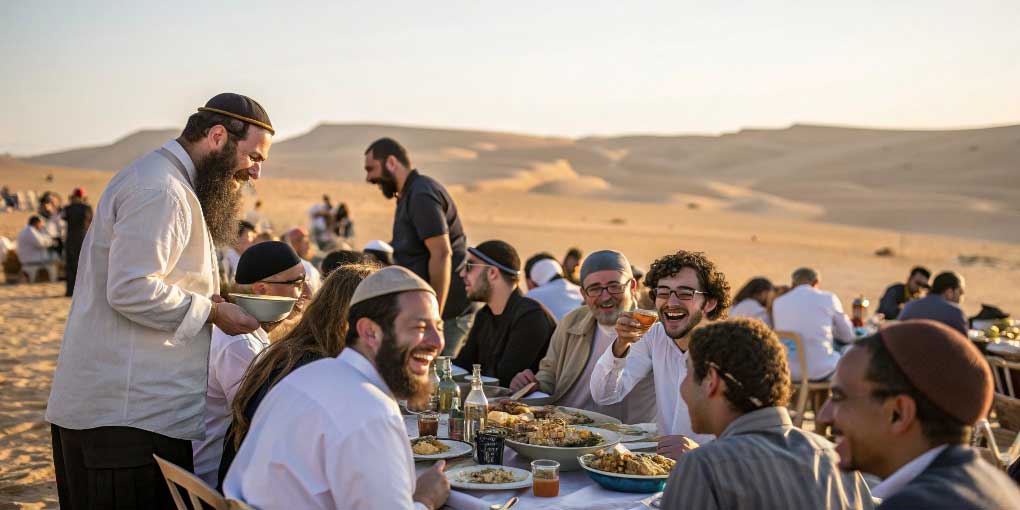
Torah in 5 Minutes.
Our weekly portion, like the third book of the Torah, is called Vayikra (And He called), and in verse 1 of chapter 1 we read: “And He called to Moshe, and the LORD spoke with him from the Tent of Meeting…” The commentators say that this means addressed by name. For the first time we encounter the LORD calling Moshe when speaking with him from the burning bush (Shemot 3:4). The second time we read about this is when the LORD calls Moshe on the seventh day of his stay on the mountain (Shemot 24:16). And here, before the Most High charges Moshe with instructing the people of Israel concerning the sacrifices, He again addresses Moshe by name. Naturally, many interpreters, many commentators have tried to understand what the essence is of these special cases when the Most High addresses Moshe or one of us by name?
All of us in many ways come from childhood, we have this weakness: often we transfer our relationship with our earthly father onto our relationship with the heavenly Father. And in the commentaries this is especially visible. Some commentators say: “When the Most High addresses Moshe by name, this is a manifestation of affection and tenderness. A loving father pronounces the name of his son with tenderness, after all most often it is precisely the father who gave this name to the son, and in this there is a manifestation of love and affection.” Other commentators say: “No! In fact, when the Most High says: ‘Moshe!’ – it is a manifestation of strictness. It is a command to finally pull oneself together, to get a grip on oneself, to get down to business. It is a desire to hurry the person with a certain strictness and even, perhaps, with a certain share of reproach.” Still others say: “No! It can combine in itself both the one and the other, and even greater love. And perhaps the situation here is similar to as if the Most High were sitting in the stands and, like a fan, were clapping hands and chanting: ‘Mo-she! Mo-she!’ thereby expressing His faith in Moshe and wishing him success.” How much in our relationship with the Most High depends on our relationship with our earthly father! And it often happens that we transfer this onto the Most High purely reflexively. One, hearing his name, is used to perceiving affection and tuning in to affection. Another is used to hearing a shout and, perhaps, inwardly shrinks when he is addressed by name. Still others hear support in it, remembering how their parents supported them in all their undertakings, how they praised them to neighbors and friends. Each one perceives the Word of the Most High the way he has been used to perceiving the word of his father since childhood. And, of course, our fathers, whatever they were like, however our relationships turned out, deserve enormous respect. But one needs to learn to renew oneself, to renew one's mind in the relationship with the Creator. And every time the Creator addresses us by name, we need to learn not to write the familiar fatherly intonations into His voice, but to listen closely to the tone and manner of speech of the Most High Himself, to listen to what and how He speaks. Although the midrash says that the Most High, when beginning the conversation with Moshe, chose the voice of his earthly father. Yes, there is a certain connection, there is a certain closeness. But we must learn to hear the voice of the Most High each time differently, as a personal conversation with Him, without any prior experience, without any bias. And then we will master the beginnings of communion with Him. The book of Vayikra tells about korbanót (sacrifices), about the ways of drawing near to the Most High. And the process of drawing near begins with the Most High calling us by name. What intonation does He put into our name? What does He expect of us? How do we hear Him? All this needs to be learned, in order to hear His call and to hear it rightly. Such is the understanding of the first three words of the very, very beginning of the book and of the weekly portion Vayikra.
The Contract of Creation
The book of Vayikra, which tells about sacrifices, is one of the most difficult books of the Torah. The chapters of the book are very hard to understand, because the Jews have had no Temple for 2000 years and, accordingly, no experience; all the Jews' knowledge about sacrifices is theoretical. And throughout history numerous attempts have been made by various commentators, various interpreters, to understand what, then, the meaning of sacrifices is.
One of the pillars of Judaism, one of the main Jewish teachers, the Rambam, says that it is hard for a person to switch from one practice of worship to another. If today some teacher came to us and said: “Worship God, the very same God, but without prayer and without fasting. You must simply love Him with all your heart, and that is enough,” then it would be very hard for us to accept such an approach to worship. Therefore the Rambam says that the Most High gave the Jews the commandments so that they would worship in the way they were used to, as it was done in Egypt. In the Rambam's opinion, the sacrifices to God are meant only to replace the habit of sacrifices to demons. And here he relies on what is said in the book of Vayikra in chapter 17, verses 5 to 7.
5-7. So that the sons of Israel would bring their sacrifices, which they slaughter in the field, and would bring them to God, to the entrance of the Tent of Meeting, to the kohen, and would bring them as peace offerings to God. And the kohen will sprinkle the altar of God with blood at the entrance of the Tent of Meeting, and will burn the fat as a fragrance pleasing to God. And so that they would no longer slaughter sacrifices to demons, after whom they go whoring. Let this be an eternal statute for them throughout all their generations.
That is, in the Rambam's opinion, all the commandments about sacrifices are given exclusively so that a person would worship the way he is used to.
In contrast to him, Nachmanides, practically his contemporary, says that the commandments have a secret, mystical meaning. This meaning is known to those who study the secrets of the Torah. In his opinion, the Rambam's words that the commandments are given just like that pour salt on the wounds of those who study the Torah.
Attempts have been made more than once to reconcile these opinions. And the commentators say that the Rambam spoke this way in the context of answering an unbelieving opponent, but in fact he too held that the commandments have a certain mystical meaning and that it cannot be that commandments spelled out so thoroughly, so precisely were given without any special meaning.
Another understanding of the meaning of sacrifices has spread in the generations of our contemporaries. Modern commentators say, on the basis of Tehillim (40:7): “Sacrifices and gifts You do not want, ears You have opened for me; burnt offerings and sin offerings You do not require,” that originally the Most High did not want any offerings at all to be made to Him. What He needed was our obedience to His voice. But because of the Fall the Most High gave the Jews the commandments: had there been no sin, there would have been no need for sacrifices either. But if we transport ourselves 2000 years back, to the time when Jewish literature was being born, when everything that had been passed down orally for centuries was only just being written down, then we will see that in the Jewish tradition there were similar things already back then.
The midrash tells that the Most High wanted to create the world by the measure of judgment, so that the world would work on the basis of judgment. That is, as soon as a person sinned, he would immediately receive punishment. But when the Most High saw the result, He understood that the world would not be able to exist on such a basis. And then the soul of Mashiach (according to Jewish tradition) said to Him: “I am ready to offer myself as a sacrifice so that You can create man, so that man survives, so that he has repentance.” And thanks to this consent of Mashiach to the sacrifice the world was created. And we see this same thought about Mashiach in the First Epistle of the apostle Peter (1:20): “…was foreordained before the creation of the world, but appeared only in the last times.” That is, from the very beginning, even before the creation of the world, the Most High foresaw both sin and atonement. This means that He took care of our salvation not when we became sinners, but even before we sinned, even before we were created, even before His mercy revealed to us. He created us and delivered us even before we fell, knowing that we would fall. And we can say that precisely in this lies that secret meaning of bringing a sacrifice which Rambam keeps silent about: the sacrifice is a prototype of the salvation destined for us from the beginning, an original part of the Divine plan. That is, even before the world was created, the plans of the Most High included both the sacrifices of the Jews in the desert and the last sacrifice.
On ritual uncleanness
In this talk you and I will talk about ritual uncleanness. In Hebrew this is called by the word tum'á – a concept that occurs in the Torah and that causes incomprehension among many believers. Therefore I would like to explain a little what it means, how relevant it is, and whether it is relevant at all for a messianic believer.
So, the word tum'á. First of all it must be said that in the Russian language this is ritual uncleanness, that is, the absence of some cleanness. In Hebrew it is not about the absence of something (of cleanness), it is about the presence of something. That is, the word tum'á is not something that is not there, it is something present, it is a defilement that has appeared on a person as a result of certain actions or certain events that happened to him. The word tum'á itself goes back to the word – atúm (closed, hermetic, closed in on itself or impenetrable to light). The Torah knows eleven kinds of tum'á.
The most dangerous, the heaviest form of tum'á or ritual defilement is the tum'á of the dead. Any person who touches a dead person becomes unclean, and whoever touched this person also becomes unclean, and so on, and so on, and so on… And as a result, today, in the absence of the means of purification (according to Jewish tradition), when there is no means to be purified from the ritual uncleanness of the dead, all people, that is, absolutely the entire population of planet Earth, carry on themselves the tum'á (defilement) of the deceased, absolutely everyone is unclean with this uncleanness. And so it will be, again according to tradition, until the Temple service is restored, the red heifer is found and, accordingly, until all the procedures connected with purification are carried out. The same applies to dead animals too, this is the tum'á of carrion, the tum'á of dead flesh.
Besides that, the skin and flesh of the eight unclean animals – this is the third kind of tum'á. It must be said that although these animals are listed in the Torah and there are translations of their names, it is every time a detective story, a whole linguistic and zoological detective story – to establish the meanings for these eight animals, to reconstruct who it is that belongs to these eight. Named are: owl, hedgehog, rat, mouse, turtle, lizard, porcupine and snake. But each of these names is disputed, for each there are many different interpretations. One way or another, we will leave these disputes aside.
Let's go on. Uncleanness can be connected with holy things: strange as it may seem, service in the Temple can make a person unclean. For example, if a person prepared the ashes of the red heifer, then all the work that he did in connection with this makes him unclean. This is called tum'á kdoshím (uncleanness of the holy). By the same principle (but now by an ordinance of the rabbis), when books that are written by the Spirit of God, books that entered the Tanach, leave our hands, they leave our hands unclean. The waters that are prepared on the basis of the ashes of the red heifer, mei chatát (waters of sin), also make a person unclean – this is the fifth kind of tum'á.
The sixth kind of tum'á is the emission of seed. Any discharge of seed, be it a nocturnal, accidental emission, or some sinful deeds, or intercourse with one's wife for the purpose of bearing children – any kind of emission of seed makes a person unclean. From this we conclude that it is impossible to beget a child without becoming unclean in the process. Male and female discharges, all possible discharges from the sexual organs – these are the seventh and eighth kinds of tum'á. The ninth kind is postpartum tum'á, postpartum uncleanness. The tenth is niddá, that is a woman's monthly period. And the eleventh, the last type, is tzará'at. A person who is struck with tzará'at, lives outside the camp, and with regard to him too there is a whole series of laws.
We have already given a definition of the word tum'á. We said that it is a certain closedness, a certain non-transparency, impassability for the Divine light. It arises, as a rule, when holiness or the readiness for holiness disappears. For example, let us take the most terrible tum'á that we talked about, tum'át mét (tum'á of the dead). As long as a person is alive, his purpose is to be sanctified, his soul is joined to the body so that the material too is sanctified. That is while a person lives. But when a person dies, his body ceases to be a vessel intended for holiness, becomes as it were non-transparent, unfit for light to penetrate, becomes tamé (unclean). It is exactly the same with a woman, who during the whole period of ovulation, the whole period of her cleanness, is capable of conception, she is destined to be a mother and is ready for holy service. At the moment when her period begins, her readiness to receive seed is interrupted, her readiness for motherhood, her readiness for holy service: this vessel likewise becomes non-transparent, impenetrable to light for a certain time, until complete renewal. The same can be said with regard to a woman who has given birth, and with regard to an emission of seed. Regardless of whether the function of holiness has been fulfilled or only the stage of preparation for it has ended, this function is replaced by tum'á (defilement). Why can a person not remain in constant readiness for holiness, why is holiness not preserved? Because a person lives in an imperfect world, after the fall death entered the world, which is called the father of everything unclean, the world became mortal, and every action of a person became finite. Therefore holiness cannot be preserved forever, a certain dysfunction of holiness arises after a person has entered into readiness for it. From this the word tum'á arises, the concept tum'á (uncleanness) arises.
What does this result in? When we say that a person is unclean, this means only one thing: he cannot take part in the Temple service and enter the Holy Place of the Temple. But in everyday service – in the synagogue, at home, in the community, in daily life – a person is in no way restricted, except, of course, for the uncleanness of niddá, when intimacy with a woman in the state of niddá is forbidden.
Being unclean in itself is not a sin, we are all unclean today with the uncleanness of the dead (as we have already said), the most terrible uncleanness there can possibly be. And if we look deeper, then someone did not purify himself after a nocturnal emission of seed, someone sat on a bus next to a woman who was having her period – without knowing it himself, a person receives the uncleanness of niddá, he becomes tamé niddá. And such options of how to get uncleanness accompany a person constantly. Therefore it is not relevant today to reason about whether a woman who is in the state of niddá may go to church, to the synagogue, to a meeting of the community, whether she may take communion. She is no more defiled than each of us. And again I will repeat that this is not a sin as long as we do not start taking part in the Temple service. This is the Jewish position.
But if we are talking about messianic communities, then according to the teaching of many communities communion, the meal of the LORD, is comparable to a sacrifice. And again the question arises whether a woman in the state of niddá may take part in this sacrifice, whether she may sit at the table when on the table is the Passover sacrifice? And here you and I need to remember that we have such a High Priest who enters the Heavenly Sanctuary, and cleanses, and sanctifies it. The Epistle to the Hebrews says that the revolutionary role of Yeshua as Mashiach is that He cleansed the Heavenly Sanctuary forever, the very highest part of the Heavenly Temple. Yeshua entered there through His blood, and there He constantly stands before GodThe Russian literally says that there He “constantly stands for us”, with a verb that means standing before someone. “Before God” was added so the English reads clearly. for us. Therefore the Heavenly Sanctuary today can in no way be defiled by uncleanness. A very important merit of Mashiach is that He made it possible for us to come to the Most High, to stand before the Most High and to have a connection with the Most High even in a state of uncleanness, today the barrier is destroyed. If we believe that Mashiach by His blood, by His sacrifice cleanses us from every defilement, then the uncleanness of a woman in the state of niddá cannot harm the Sanctuary, because the Sanctuary – it is perfect.
Another one of the frequent understandings (or misunderstandings) is that tum'á means evil, unambiguously carries death in itself and so on. We see that this is not so if only from the fact that, when a child is conceived, the man releases seed and becomes unclean. This is not a heavy form of uncleanness, the next day he can immerse himself in the waters of the mikva and become clean again, be ready even for the Temple service. But nevertheless without this bearing children is impossible. The Temple service is impossible without becoming unclean. And therefore tum'á is unambiguously not an evil that comes into the world and that one must be afraid of. It is a certain period, a certain state of a person, when he is not entirely permeable to the Divine Light, but certain inner, spiritual processes are taking place in him.
It must be said that the Divine Light in which we are is boundless. Let us imagine, conventionally, that there is some light in which we are immersed, like a sponge in a “light” liquid. Part of the light enters into us, part of the light remains around us, and constantly between the outer and the inner light an exchange takes place. During tum'a we become unreceptive to the outer light that surrounds us, we as if close ourselves off with the light that is inside us, and a processing of the inner light, a certain processing of spiritual experience in us, still takes place. A woman in a state of tum'a, a woman in a state of nidda can freely study Torah, can freely read Tehillim and carry out any study, because in her there works (as in anyone who is impure) the inner light which she received.
Once I was asked a question regarding the bones of a dead person. In the second book of Melachim (13:21) a case is described when a dead man was thrown onto the bones of the prophet Elisha, and the man came to life. The midrash tells that this man came to life for a short time, since he was a villain and he was simply thrown out, knocked out, brushed off from the bones of the dead righteous man. In connection with this, Jewish tradition says that the righteous, both during life and after death, are considered alive, the righteous – they are eternally alive, therefore their bodies do not carry impurity in themselves.
And the same applies, of course, also to the messianic teaching. If we are cleansed and if we are in righteousness, in the righteousness of our Mashiach, then our bodies too will not carry some impurity. Here, as everywhere (practically everywhere), we see that Jewish tradition converges with the Christian tradition. The only remark is that applying the concept of righteousness to us is not relevant for Judaism. Nevertheless, if we are believers, if we consider that we are justified, if we consider that we are cleansed, then, accordingly, we have no reason to fear the impurity of death either.
Thus, all these laws we are now talking about, the laws of impurity, they are relevant for understanding the nature of how holiness acts in the world. So that we would understand that holiness is not a static state, that there are some certain inner processes which can take place in us and which have to be endured, that tum'a is a natural state for an unrepaired world. And in this respect both the nidda woman, and a man after an emission, and some sick people with discharges and so on are not villains and sinners, are not someone who must be avoided.
There is such a tendency: to hide a woman in a state of nidda somewhere in the back corners, to stuff her into a far-off chest and carry her only in a box. The medieval tradition gave birth to very many myths and false notions about a woman in a state of nidda, in the state of her period. For example, that her gaze is a curse, that a mirror begins to bleed, that roses wither in her presence and so on. But all this must be understood as a kind of mythology, put down to the fact that believing people and even learned people of that time did not understand very well the nature of what was happening. Today we understand the essence of the process of a woman's period, what it means, and we need not fear it.
Accordingly, all kinds of magical and mythical properties were also ascribed to the animals that are called impure. Here one must also understand that our sages were sages of the Law, sages in the interpretations of the Torah, but in the field of natural history, in the field of nature study, in the field of the natural sciences they were people of their time, they believed in what their contemporaries believed. Therefore, reading the Talmud, or the Zohar, or a book such as Sefer haChasidim (the Book of the Pious), which claims certain knowledge in the field of natural history, in the field of nature study, we may come across a little mouse that is born from mud, or an animal that is tied by its navel to the center of the Earth, or a werewolf – a wolf-shapeshifter that turns into a human, and sirens, and mermaids, and the like. The sages lived by historical stories and traditions and could not always distinguish truth from lies. Because of this, an enormous number of all kinds of rulings were born about impure animals, about the turtle, about the porcupine or about the mouse. And in exactly the same way, unfortunately, also about the woman in a state of nidda. That is, this is a tradition that needs to be subjected to a certain revision, reconsidered in the light of modern knowledge.
Whether tum'a will be relevant for the Third Temple, we do not know yet. When the LORD returns, He will teach us many things. We have seen that Yeshua places the emphasis more on spiritual than on ritual impurity, speaks more about what truly defiles a person and makes him unfit for service, and this is not so much his touching something impure as impure thoughts in his head and so on. Yeshua did not abolish the Law in any way – His death, resurrection and entry into the Temple changed the situation, changed the nature of the world, and in the world with a new nature new laws began to operate.
When, with God's help, the Third Temple is restored (if it is restored), then new, renewed laws will be put into effect, and then we will see whether the concept of tum'a (impurity) and tohora (purity) will operate for the new time. For now it can be said that we have no reason to be wary of these concepts, because if we begin to be wary, then we thereby neglect the cleansing that is given to us through the sacrifice of Yeshua – that is the first thing. Second, I will repeat that Jewish tradition itself today does not teach to guard against certain kinds of impurity, because everyone is impure. And again, Jewish tradition, like the messianic tradition, says that a righteous person, a righteous man, does not defile even after death, a righteous man cannot become defiled. In principle, the essence of righteousness is to see the impure and not to become impure in doing so. And therefore I simply have a piece of advice for believers (especially messianic believers, who get carried away, and sometimes get carried away too much, by the ritual aspects of Judaism, the aspects of purity and impurity), to reconsider, after all, their position on this matter and to stop guarding against, fearing impurity. If it is needed for the work, if it is needed for the service, there is no need to be afraid of becoming impure. In the Parable of the Samaritan Yeshua speaks about a kohen who was afraid to become defiled, afraid of not getting to the service in the Temple.
We can also see that the service in the Temple was described by the Jewish sages themselves as an exaggeratedly reverent attitude toward impurity, such that sometimes it even led to death and to murder among the kohanim. Therefore studying all aspects of the Torah, including, of course, also the aspects of impurity – this is good. Should one strive for purity and for holiness? Absolutely! And for this, of course, one needs to study the Torah and keep the Torah, this is also important. Nevertheless, to see in a person who is tame, in an impure woman or in someone like that, to see in their impurity something sinful, which must be avoided, from which one must close oneself off and which one must fear – this is completely wrong. This is the idea of impurity and purity that I wanted to share.
Vayikra and related materials
Continue studying: weekly portions of the Torah, audio lesson on the portion Vayikra and conversation about ritual impurity.