- Weekly portions
- Shemot
- Vayakhel
וַיַּקְהֵל
Vayakhel
heart, craftsmen and the Mishkan
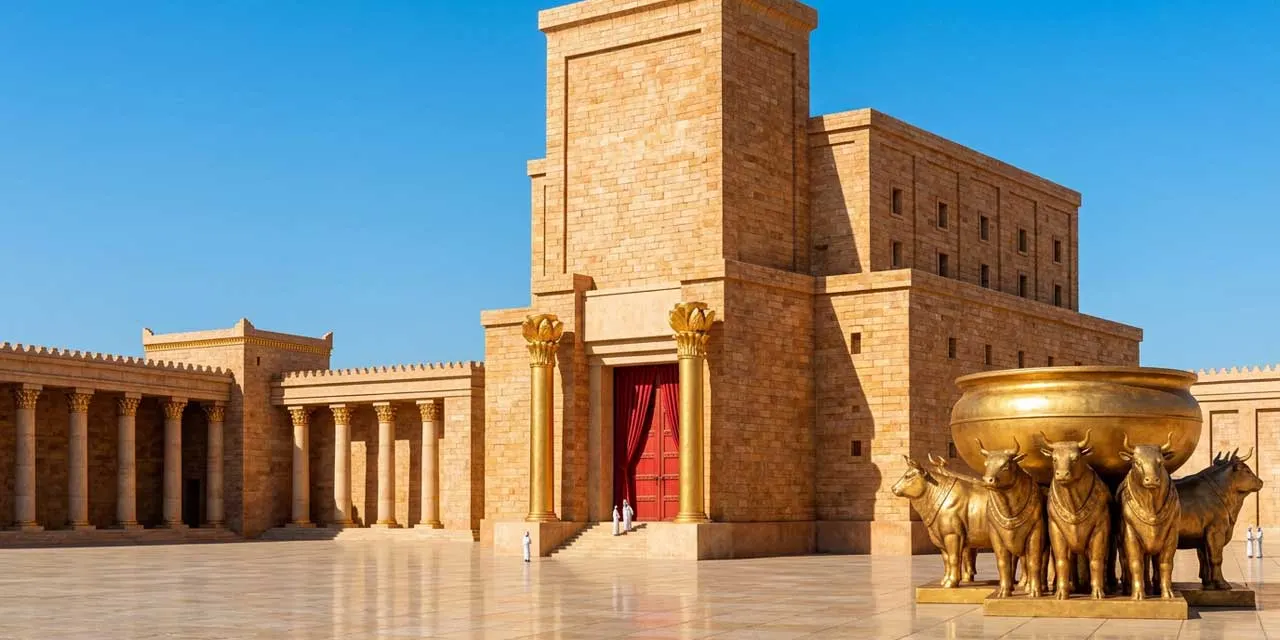
- Weekly portion
- 22 of 54
- Verses
- Shemot 35:1–38:20
- Parts
- 7
- Reading time
- 1 h 21 min
- Views
marks places where the translation deliberately departs from the Russian original. Tap it to show the note.
Vayakhel (Vayak'hel) – the weekly portion about the gifts of the heart and the building of the Mishkan. Alex Blend examines the service of the craftsmen, the participation of women, the table of the showbread and the altars. The stenogram includes the Torah text in Hebrew, a transliteration, a translation and the author's commentary on working together.
Vayakhel: Heart, how good it is that you are the way you are
Shemot 35:1–29
We told how Moshe finished speaking with the Most High, came down to the people of Israel and, when he spoke with the people of Israel, his face shone. Now we will read in more detail what, in fact, he spoke about with the people of Israel.
וַיַּקְהֵל מֹשֶׁה אֶת־כָּל־עֲדַת בְּנֵי יִשְׂרָאֵל וַיֹּאמֶר אֲלֵהֶם אֵלֶּה הַדְּבָרִים אֲשֶׁר־צִוָּה יְהוָה לַעֲשֹׂת אֹתָם׃
vayakhel moshé et-kol-adát bené yisraél vayomer alehém élle haddevarím asher-tzivvá adonáy la'asót otám
1 And Moshe gathered (literally: crowded together) all the communities of the people of Israel and said to them: “These are the things that the LORD commanded to do them:
I have already spoken about the word kahál (crowd). From the same root comes the word kehilá (community), and the word kohélet – ecclesiastes (the one who gathers crowds), hence the name of Shlomo's book, and one can also add the word makhelá (choir, singing together).
One can also pay attention to the word adát. The word edá (community) shares its root with the words ed (witness), edút (testimony), mo'éd (Jewish festival). Why is that so? A community is a society of people united by one common experience, in this case – knowledge of the Most High, a relationship with the Most High. And a community is also a society of witnesses, they are united by a common testimony. And what does a festival have to do with it? A festival is a time when the community comes, gathers and testifies. For example, on Pesach we celebrate the exodus from Egypt, we testify to one another that we still experience this festival. When a person is given some thing as a gift, at first it is new to him and he admires it, turns it over in his hands; then he gets used to it, and it becomes ordinary. On the festivals we must give testimony that the Torah has not become something ordinary, everyday in our hands, that we rejoice in it as if it were given to us right now, that right now we are experiencing the exodus from Egypt, the giving of the Torah, the sitting in tents and so on, and so on. And therefore a festival is also called mo'éd (unlike the Russian language, where the word for festival simply means to be idle, that is, not to work). That is the peculiarity of the word edá (community).
And before Moshe begins listing the things that the LORD commanded, he speaks the most important commandment.
שֵׁשֶׁת יָמִים תֵּעָשֶׂה מְלָאכָה וּבַיּוֹם הַשְּׁבִיעִי יִהְיֶה לָכֶם קֹדֶשׁ שַׁבַּת שַׁבָּתוֹן לַיהוָה כָּל־הָעֹשֶׂה בוֹ מְלָאכָה יוּמָת׃
shéshet yamím te'asé melachá uvayom hashevi'í yihyé lachém kódesh shabbát shabbatón ladonáy kol-ha'osé vo melachá yumát
2 Six days do work, and on the seventh day there shall be holiness for you: a Sabbath of stopping to the LORD; anyone doing work on it shall be put to death.
Let us dwell on some important things. There is a command – not a toleration, not a permission, but a command – to work six days. And there are people who say (we have already mentioned this): “I dedicate all seven days to God and do not set any apart as special!” The Most High says: “Six days do your work, six days create in this world.” Let us dwell on the word melachá (work). It has the same root as the word mal'ách (angel), and also to send, to make oneself a messenger, to change something in this world, to stretch out one's hand to something. In later Hebrew there is the expression mishlóach yad (stretching out of the hand). This is work that is done for earnings, or a special kind of work that changes this world. In Hebrew there are many different words that denote work. How do you understand what a particular word means? Look for this word in its context: you came across a word, you want to understand it – look for it in its context. The word melachá occurs in the Torah in two contexts. First, it is the creation of the world. When the Most High created the world, it is said: “…and on the seventh day He rested from all melachtó” – from all His work which He had done. Second, it is what is done during the building of the Temple. In our portion we will read that the people gathered and lifted up everything necessary for the work of making, of setting up the Mishkan. The sages singled out 39 works (according to the number of repetitions of the word melachá in the Torah) and connected them with the works performed during the building of the Mishkan or later during the building of the Temple. That is, it became an ordinance that on the Sabbath it is forbidden to do everything that was done in building the Mishkan – dyeing, drawing and much, much more. The laws of the Sabbath are very complex, and they too are worth studying separately.
I wanted to dwell on one more word. So, six days do all work, and the seventh day shall be holy to you, shabbat shabbaton. If the word shabbat is clear, the word shabbatón is a little less clear. There is the suffix -vav-nun (-on), which is added to the word shabbat. This suffix is usually used to form a diminutive (among other things), for example: yéled – boy, yeldón – little boy. But this surely does not apply here, since we cannot say a Sabbath-little-Sabbath shall be to you.
This suffix is also used for the place where something is, for being intended for something. For example, étzba – finger, etzbaón – thimble. If we take this meaning as the basis, then one can say that this is a kind of Sabbath placed inside a Sabbath, rest within rest. That is, it is like calming down oneself and entering the rest of the Most High.
One more variant of the use and understanding of the suffix -on is a process. For example, kafá – froze, kipaón – freezing, diké – depressed, dika'ón – dejection, depression. That is, the Sabbath is a stopping, a “stoppedness,” an outward stopping and an inward stopping. This is one more understanding of the word shabbatón.
There are commentators who say: “Shabbatón means the cessation of all works except those that are necessary for a person's soul, and this refers to the festivals.” Unlike the Sabbath, when the work of preparing food is forbidden, on the festivals – Pesach, Sukkot and so on – one may prepare food, one may use fire; on the Sabbath, however, fire is not used. And this too is one of the variants of understanding what the difference is between shabbát and shabbatón. In square brackets one can remark that some lovers of new theories build a special calendar on the difference between these words. I will not go into the details of this theory, so as not to advertise it. I can say that there is simply no basis for this, neither in the language, nor in the calendar, nor in history. So, the Sabbath – the stopping of all works. Anyone who does work on this day shall surely die.
לֹא־תְבַעֲרוּ אֵשׁ בְּכֹל מֹשְׁבֹתֵיכֶם בְּיוֹם הַשַּׁבָּת׃
lo-teva'arú esh bechól moshevotechém beyom hashabbát
3 Do not kindle fire in all your dwellings on the Sabbath.”
I will repeat: before Moshe gives any of the commandments regarding the building of the Mishkan that he received, he gives the commandment about the Sabbath. Even if we are doing something for the Mishkan, and even if we feel that we are acting on a mission from the Most High, the Sabbath remains the Sabbath.
וַיֹּאמֶר מֹשֶׁה אֶל־כָּל־עֲדַת בְּנֵי־יִשְׂרָאֵל לֵאמֹר זֶה הַדָּבָר אֲשֶׁר־צִוָּה יְהוָה לֵאמֹר׃
vayomer moshé el-kol-adát bene-yisraél lemór ze haddavár asher-tzivvá adonáy lemór
4 And Moshe said to the whole community of the sons of Israel, saying: “This is the word which the LORD commanded, saying:
קְחוּ מֵאִתְּכֶם תְּרוּמָה לַיהוָה כֹּל נְדִיב לִבּוֹ יְבִיאֶהָ אֵת תְּרוּמַת יְהוָה זָהָב וָכֶסֶף וּנְחֹשֶׁת׃
kechú me'ittechém terumá ladonáy kol nedív libbó yevi'éha et terumát adonáy zaháv vachésef unchóshet
5 Take from yourselves a lifting up to God; everyone whose heart inclines him shall bring an elevation to the LORD: gold, and silver, and copper.
Moshe here changes the meaning of the word terumá a little and translates it into a language more understandable to the people: build from yourselves a ladder to God. And further – a very important point in Moshe's words, people usually pass it by. A person can make a donation to the temple for various reasons: in order to appear rich or kind, or in order not to appear mean, out of competition with someone (to show that he is better than others), or to receive some reward from the Most High, or so that his children get well, or in order to become rich. There can be various motives. These motives do not always mean that the action is bad or impure. But here Moshe emphasizes: everyone whose heart inclines him, that is, a person who wants to give unselfishly, without anything in return, simply by the inclination of the heart, out of love for the Most High. And only such a person.
וּתְכֵלֶת וְאַרְגָּמָן וְתוֹלַעַת שָׁנִי וְשֵׁשׁ וְעִזִּים׃
utchélet ve'argamán vetolá'at shaní veshésh ve'izzím
6 And blue fabrics, and purple fabrics, and scarlet fabrics, and fine linen, and goats' wool,
וְעֹרֹת אֵילִם מְאָדָּמִים וְעֹרֹת תְּחָשִׁים וַעֲצֵי שִׁטִּים׃
ve'orót elím me'oddamím ve'orót techashím va'atzé shittím
7 And treated skin of deer, and skin of táchash, and acacia wood.
We said that táchash is a special kind of animal, an unknown little critter. There is an opinion that this creature was created especially for these very skins. Others say that it is a sea creature called the dugong, from which the Bedouins in our parts still make insoles for shoes and the shoes themselves. And it is also said that it is a giraffe. And when there is such a variety of opinions, it is immediately clear that nothing is clear with this animal, and no one knows exactly what kind of little critter it is.
וְשֶׁמֶן לַמָּאוֹר וּבְשָׂמִים לְשֶׁמֶן הַמִּשְׁחָה וְלִקְטֹרֶת הַסַּמִּים׃
veshémen lamma'ór uvsamím leshémen hammishchá veliktóret hassammím
8 And oil for lighting, and spice (concoction) for the anointing oil and for the burnings of incense.
וְאַבְנֵי־שֹׁהַם וְאַבְנֵי מִלֻּאִים לָאֵפוֹד וְלַחֹשֶׁן׃
ve'avne-shóham ve'avné millu'ím la'efód velachóshen
9 And stones of setting for the efod and for the breastplate.
This was what is brought in the form of things, a material donation. Besides that, one can take part with labor. In verse 10 we read:
וְכָל־חֲכַם־לֵב בָּכֶם יָבֹאוּ וְיַעֲשׂוּ אֵת כָּל־אֲשֶׁר צִוָּה יְהוָה׃
vechol-chacham-lév bachém yavóu veya'asú et kol-ashér tzivvá adonáy
10 Everyone wise of heart among you shall come and make what the LORD commanded.
Pay attention: everyone who is kind of heart gives a donation; everyone who is wise of heart will come and make what the LORD commanded. Again, this is the bidding of the heart, an understanding in the heart. Who is talented? I am talented, I will do it! There are no appointments from outside, there is no forced duty whatsoever. And what will this one who is wise of heart make?
אֶת־הַמִּשְׁכָּן אֶת־אָהֳלוֹ וְאֶת־מִכְסֵהוּ אֶת־קְרָסָיו וְאֶת־קְרָשָׁיו אֶת־בְּרִיחָו אֶת־עַמֻּדָיו וְאֶת־אֲדָנָיו׃
et-hammishkán et-aholó ve'et-michséhu et-kerasáv ve'et-kerasháv et-bericháv et-ammudáv ve'et-adanáv
11 The Mishkan, the tent, and its covering, and its hooks, and its boards, and its bars, and its pillars, and its bases.
That is, all those details that the Most High described to Moshe, talented people will come and make, people talented of heart. That is what Moshe speaks about here.
אֶת־הָאָרֹן וְאֶת־בַּדָּיו אֶת־הַכַּפֹּרֶת וְאֵת פָּרֹכֶת הַמָּסָךְ׃
et-ha'arón ve'et-baddáv et-hakkappóret ve'ét paróchet hammasách
12 And the ark, and its poles, and the lid on it, and the dividing curtain.
אֶת־הַשֻּׁלְחָן וְאֶת־בַּדָּיו וְאֶת־כָּל־כֵּלָיו וְאֵת לֶחֶם הַפָּנִים׃
et-hashulchán ve'et-baddáv ve'et-kol-keláv ve'ét léchem happaním
13 The table, and its poles, and all its instruments, and the bread of offering.
וְאֶת־מְנֹרַת הַמָּאוֹר וְאֶת־כֵּלֶיהָ וְאֶת־נֵרֹתֶיהָ וְאֵת שֶׁמֶן הַמָּאוֹר׃
ve'et-menorát hamma'ór ve'et-keléha ve'et-nerotéha ve'ét shémen hamma'ór
14 And the lampstand of illumination, and all its vessels (instruments), and its candles, and the oil for lighting.
We examined all these instruments, all these vessels in detail in the previous portions. Therefore here, when Moshe repeats them, all that remains is to read it, repetition is the mother of learning. But probably I will not explain each of the elements again: it is easy to reread in past talks, in past weekly portions.
אֶת־מִזְבַּח הַקְּטֹרֶת וְאֶת־בַּדָּיו וְאֵת שֶׁמֶן הַמִּשְׁחָה וְאֵת קְטֹרֶת הַסַּמִּים וְאֶת־מָסַךְ הַפֶּתַח לְפֶתַח הַמִּשְׁכָּן׃
ve'et-mizbách hakketóret ve'et-baddáv ve'ét shémen hammishchá ve'ét ketóret hassammím ve'et-masách happétach lefétach hammishkán
15 And the altar for burnings of incense, and its poles, and the oil for anointing, and the burnings of incense, and the screen for the entrance into the Mishkan.
אֵת מִזְבַּח הָעֹלָה וְאֶת־מִכְבַּר הַנְּחֹשֶׁת אֲשֶׁר־לוֹ אֶת־בַּדָּיו וְאֶת־כָּל־כֵּלָיו אֶת־הַכִּיֹּר וְאֶת־כַּנּוֹ׃
et mizbách ha'olá ve'et-michbár hannechóshet asher-ló et-baddáv ve'et-kol-keláv et-hakkiyor ve'et-kannó
16 The altar of burnt offering and the copper grating at this altar (which we also talked about in 27:4–5), its poles, all its vessels, the washbasin and its base.
אֵת קַלְעֵי הֶחָצֵר אֶת־עַמֻּדָיו וְאֶת־אֲדָנֶיהָ וְאֵת מָסַךְ שַׁעַר הֶחָצֵר׃
et kal'é hechatzér et-ammudáv ve'et-adanéha ve'ét masách shá'ar hechatzér
17 And the nets for the fence, and its pillars, and the bases for its pillars, and the screen of the entrance to the courtyard.
אֶת־יִתְדֹת הַמִּשְׁכָּן וְאֶת־יִתְדֹת הֶחָצֵר וְאֶת־מֵיתְרֵיהֶם׃
et-yitdót hammishkán ve'et-yitdót hechatzér ve'et-meterehém
18 And the pegs for the Mishkan, and the pegs for the courtyard, and their strings (if translated literally).
But most likely, here, of course, cords – ropes that go out from the pegs and that are fastened to the walls of the tent. Moshe does not literally, pay attention, Moshe does not literally repeat here the words of the Most High, as if he were translating from the Divine language into the human one. Again, he speaks to the craftsmen counting on the craftsman understanding what needs to be done. He, Moshe, is not a specialist, he comes, let us say, with a technical specification from the Most High, and the craftsman must do as it says in it.
אֶת־בִּגְדֵי הַשְּׂרָד לְשָׁרֵת בַּקֹּדֶשׁ אֶת־בִּגְדֵי הַקֹּדֶשׁ לְאַהֲרֹן הַכֹּהֵן וְאֶת־בִּגְדֵי בָנָיו לְכַהֵן׃
et-bigdé hasserád lesharét bakkódesh et-bigdé hakkódesh le'aharón hakkohén ve'et-bigdé vanáv lechahén
19 The garments of service for entering into the Holy, and the holy garments for Aharon the kohen, and the garments of his sons for the priesthood.
Let us look at the word serád. In the modern language misrád is an office, some kind of bureau. And serád is simply an employee, one who is in some kind of service: everyday, routine, office service. By the garments of service are meant garments for the rank and file, for the simple kohanim, for everyday, routine service, even if in the Holy. Thus a certain routine of holiness arises among the kohanim.
וַיֵּצְאוּ כָּל־עֲדַת בְּנֵי־יִשְׂרָאֵל מִלִּפְנֵי מֹשֶׁה׃
vayetze'ú kol-adát bene-yisraél millifné moshé
20 And the whole community of Israel went out from the face of Moshe.
“Permission to carry out, Moshe?” – “Permission granted! Carry out.” And everyone dispersed.
וַיָּבֹאוּ כָּל־אִישׁ אֲשֶׁר־נְשָׂאוֹ לִבּוֹ וְכֹל אֲשֶׁר נָדְבָה רוּחוֹ אֹתוֹ הֵבִיאוּ אֶת־תְּרוּמַת יְהוָה לִמְלֶאכֶת אֹהֶל מוֹעֵד וּלְכָל־עֲבֹדָתוֹ וּלְבִגְדֵי הַקֹּדֶשׁ׃
vayavóu kol-ísh asher-nesa'ó libbó vechól ashér nadevá ruchó otó hevíu et-terumát adonáy limléchet óhel mo'éd ulchol-avodató ulvigdé hakkódesh
21 Every person, as his heart lifted him up, as his heart exalted him, and everything to which his spirit inclined him, brought an elevation to the Most High for the work on the Tent of Meeting, and for all its work, and for the holy garments.
We talked about the verb lasét, nasá in the meaning took upon himself, forgave, lifted up. Here the expression asher-nesa'ó means as his heart lifted him up, as his heart exalted him, as far as his heart raised him up.
The expression nadív lév means magnanimous, kind of heart, inclined of heart; here vechól ashér nadevá ruchó – everything that the spirit fanned up in his heart, blowing into the sails of the heart, lifted him up.
The word mléchet is the same as melachá, which we talked about at the very beginning of our passage. And precisely because the word melachá is used here in describing the works of building the Mishkan, precisely this list of works, these works were taken as the basis for those that are forbidden on Shabbat.
וַיָּבֹאוּ הָאֲנָשִׁים עַל־הַנָּשִׁים כֹּל נְדִיב לֵב הֵבִיאוּ חָח וָנֶזֶם וְטַבַּעַת וְכוּמָז כָּל־כְּלִי זָהָב וְכָל־אִישׁ אֲשֶׁר הֵנִיף תְּנוּפַת זָהָב לַיהוָה׃
vayavóu ha'anashím al-hannashím kol nedív lev hevíu chach vanézem vetabbá'at vechumáz kol-kelí zaháv vechol-ísh ashér heníf tenufát zaháv ladonáy
22 And the husbands came with the wives, everyone kind of heart, everyone with an inclined heart, and they brought: a necklace, and a nose ring, and a ring, and an ornament, and every person who elevated (heníf – to elevate, as in a dance) gold to the LORD.
Most commentators say that chumáz is a special ornament and, most likely, it is connected with an intimate place. Possibly it is about intimate piercing (there is no need to be surprised that it existed then: it existed then). But most likely it is about some kind of means of security. A sort of chastity belt that the girls put on themselves, a golden clasp that was fastened below and protected a woman from possible rape (that is how the Talmud describes this ornament). I am nevertheless inclined to call it an ornament, and that is how it is described in some other historical sources. Many translators are embarrassed to translate it so, and “pendants” or “and other ornaments” appear.
וְכָל־אִישׁ אֲשֶׁר־נִמְצָא אִתּוֹ תְּכֵלֶת וְאַרְגָּמָן וְתוֹלַעַת שָׁנִי וְשֵׁשׁ וְעִזִּים וְעֹרֹת אֵילִם מְאָדָּמִים וְעֹרֹת תְּחָשִׁים הֵבִיאוּ׃
vechol-ísh asher-nimtzá ittó techélet ve'argamán vetolá'at shaní veshésh ve'izzím ve'orót elím me'oddamím ve'orót techashím hevíu
23 Every person with whom there were blue fabrics, and purple cloth, and scarlet fabrics, and fine linen, and goats' wool, and deer skins treated with red, and the skins of tachashes (unknown little critters), brought them.
That is, everyone brought what he had from the list that Moshe announced.
כָּל־מֵרִים תְּרוּמַת כֶּסֶף וּנְחֹשֶׁת הֵבִיאוּ אֵת תְּרוּמַת יְהוָה וְכֹל אֲשֶׁר נִמְצָא אִתּוֹ עֲצֵי שִׁטִּים לְכָל־מְלֶאכֶת הָעֲבֹדָה הֵבִיאוּ׃
kol-merím terúmat késef unchóshet hevíu et terumát adonáy vechól ashér nimtzá ittó atzé shittím lechol-meléchet ha'avodá hevíu
24 And all who lift up an elevation of silver and copper brought the elevation to the LORD, and everyone who had acacia trees brought them for every work.
וְכָל־אִשָּׁה חַכְמַת־לֵב בְּיָדֶיהָ טָווּ וַיָּבִיאוּ מַטְוֶה אֶת־הַתְּכֵלֶת וְאֶת־הָאַרְגָּמָן אֶת־תּוֹלַעַת הַשָּׁנִי וְאֶת־הַשֵּׁשׁ׃
vechol-ishá chachmat-lév beyadéha tavú vayavíu matvé et-hattechélet ve'et-ha'argamán et-tolá'at hashaní ve'et-hashésh
25 And every woman wise of heart wove with her hands. And they brought yarn, and blue fabric, and purple, and scarlet, and fine linen.
וְכָל־הַנָּשִׁים אֲשֶׁר נָשָׂא לִבָּן אֹתָנָה בְּחָכְמָה טָווּ אֶת־הָעִזִּים׃
vechol-hannashím ashér nasá libbán otána bechochmá tavú et-ha'izzím
26 And all the women whom their heart lifted up, they spun from the wool of goats with all diligence and wisdom.
וְהַנְּשִׂאִם הֵבִיאוּ אֵת אַבְנֵי הַשֹּׁהַם וְאֵת אַבְנֵי הַמִּלֻּאִים לָאֵפוֹד וְלַחֹשֶׁן׃
vehannesi'ím hevíu et avné hashóham ve'ét avné hammillu'ím la'efód velachóshen
27 And the leaders brought precious stones and stones of filling for the breastplate.
It is surprising that the leaders are mentioned here at the end. If earlier we read that they “hasten to do the work,” now they are somehow not in much of a hurry. The commentators say: “Well, the leaders among the people did not have, did not have that quality we talked about at the very beginning – the inclination of the heart. They said: ‘Whatever the people do not bring, we ourselves will add from our own stores after everyone has already contributed; and for now we will wait.’” And on that they settled. They did not know that precisely the one who has inclined his heart, that one does it from beginning to end. Precisely by inclining his heart a person does it to the full. I can give something in order to look kinder than someone; in order to compete with someone, I will give a little more than he does. But precisely out of kindness of heart I will give everything that is needed, I will fill all the needs. The Most High invited people to give according to the inclination of the heart, and Himself inclined the hearts of the people so that everything necessary would be collected. The leaders of the people were late in fulfilling this commandment, they are the last here.
And an important feature: if we look at the first word of verse 27, at the word nesi'ím (leaders), we will see that it is written without the letter yud after the letter sin, as it should have been. Usually, when the Torah uses a short spelling, it means that some quality is lacking in what it describes. In this case they are not quite leaders, they are, one could say, “trailers”, because they dragged out the time and were not the first to bring, but came at the end with their offering. And it is not written that they had an inclination of the heart, this quality of theirs is not indicated here: they brought because this was lacking, they brought to fill up what was necessary.
וְאֶת־הַבֹּשֶׂם וְאֶת־הַשָּׁמֶן לְמָאוֹר וּלְשֶׁמֶן הַמִּשְׁחָה וְלִקְטֹרֶת הַסַּמִּים׃
ve'et-habbósem ve'et-hashámen lema'ór ulshémen hammishchá veliktóret hassammím
28 And the concoctions, and the oil for lighting, and the oil for anointing and for the burnings of incense.
Although the leaders brought the most expensive and the rarest things there are, they are written here at the end with an incomplete spelling, and it is not indicated that they did it out of kindness of heart.
כָּל־אִישׁ וְאִשָּׁה אֲשֶׁר נָדַב לִבָּם אֹתָם לְהָבִיא לְכָל־הַמְּלָאכָה אֲשֶׁר צִוָּה יְהוָה לַעֲשׂוֹת בְּיַד־מֹשֶׁה הֵבִיאוּ בְנֵי־יִשְׂרָאֵל נְדָבָה לַיהוָה׃
kol-ísh ve'ishá ashér nadáv libbám otám lehaví lechol-hammelachá ashér tzivvá adonáy la'asót beyad-moshé hevíu vene-yisraél nedavá ladonáy
29 Every man or woman whose heart pushed them to bring for every service which the LORD commanded to do through Moshe, the sons of Israel brought their willingness (nedavá) to the LORD.
Talented people
Shemot 35:30–36:38
With God's help you and I continue reading the weekly portion Vayakhel. This passage may seem boring to some. After all, earlier we already read the instructions that Moshe received: to make such and such. And here again we will read that such and such was made. And nevertheless, these chapters are rich in material that may be interesting and useful to us, and besides, there are no superfluous words and boring texts in the Torah, so we will read attentively and look for what is useful for ourselves.
וַיֹּאמֶר מֹשֶׁה אֶל־בְּנֵי יִשְׂרָאֵל רְאוּ קָרָא יְהוָה בְּשֵׁם בְּצַלְאֵל בֶּן־אוּרִי בֶן־חוּר לְמַטֵּה יְהוּדָה׃
vayomér moshé el-bené yisraél reú kará adonáy beshém betzal'él ben-urí ven-chúr lematté yehudá
30 And Moshe said to the sons of Israel: “See, the LORD has called by name Betzalel, son of Uri, son of Chur, he is from the tribe (or from the camp) of Yehuda.
That is, the LORD chose Betzalel from the outset, chose him, having prepared him beforehand. We have spoken about the meanings of this name, I will briefly repeat: betzal'él – betzél el, in the shadow of God; ben-urí – son of my light. The father was called My light, the son is called In the shadow of God. One can play beautifully with these combinations of names in various ways.
וַיְמַלֵּא אֹתוֹ רוּחַ אֱלֹהִים בְּחָכְמָה בִּתְבוּנָה וּבְדַעַת וּבְכָל־מְלָאכָה׃
vaymallé otó rúach elohím bechochmá bitvuná uvdá'at uvchol-melachá
31 And the Spirit of God filled him with wisdom, understanding and intuition, and in every profession:
Chochmá (wisdom) – the ability to learn, to absorb knowledge; tvuná (understanding) – the ability to gain new knowledge on the basis of an analysis of the knowledge one already has, dá'at (intuition with regard to the Most High) – the ability to find out something by oneself, without having any prior data, to be the discoverer of something.
וְלַחְשֹׁב מַחַשָׁבֹת לַעֲשֹׂת בַּזָּהָב וּבַכֶּסֶף וּבַנְּחֹשֶׁת׃
velachshóv machashavót la'asót bazzaháv uvakkésef uvannechóshet
32 To do skillful work, to work with gold, silver and copper.
The word lachshóv in modern Hebrew means to think. From this comes, for example, machshév – computer or “think-box”. The word chashúv means important, to be important. In this case skillfulness is meant. Lachshóv machashavót – to do skillful work, work that requires meaning, thinking, understanding, and further on we will see a more detailed description.
וּבַחֲרֹשֶׁת אֶבֶן לְמַלֹּאת וּבַחֲרֹשֶׁת עֵץ לַעֲשׂוֹת בְּכָל־מְלֶאכֶת מַחֲשָׁבֶת׃
uvacharóshet éven lemallót uvacharóshet etz la'asót bechol-meléchet machashávet
33 And in the carving of stone, and in the setting of stone, and in the carving of wood, to engage in every skillful work.
וּלְהוֹרֹת נָתַן בְּלִבּוֹ הוּא וְאָהֳלִיאָב בֶּן־אֲחִיסָמָךְ לְמַטֵּה־דָן׃
ulhorót natán belibbó hu ve'aholi'áv ben-achisamách lematte-dán
34 And gave into his heart a disposition to teach, he and Oholi'av, son of Achisamach from the tribe of Dan (one more person who was given to him as a help).
We have also spoken about this name. Oholi'av means father – my tent: óhel is tent, av is father. Achí – my brother, samách – relied, settled, trusted. Here we see that the future Mishkan in no way correlates with nobility of blood. On the one hand – Betzalel from the tribe of Yehuda, which is considered noble. On the other hand – Oholi'av from the much less noble tribe of Dan. That is, all Israel is equally involved in the Mishkan, both the noble and the simple.
מִלֵּא אֹתָם חָכְמַת־לֵב לַעֲשׂוֹת כָּל־מְלֶאכֶת חָרָשׁ וְחֹשֵׁב וְרֹקֵם בַּתְּכֵלֶת וּבָאַרְגָּמָן בְּתוֹלַעַת הַשָּׁנִי וּבַשֵּׁשׁ וְאֹרֵג עֹשֵׂי כָּל־מְלָאכָה וְחֹשְׁבֵי מַחֲשָׁבֹת׃
millé otám chochmat-lév la'asót kol-meléchet charásh vechoshév verokém battechélet uva'argamán betolá'at hashaní uvashésh ve'orég osé kol-melachá vechoshevé machashavót
35 Filled their hearts with wisdom to do every work of carving, and the work of the brocade weaver (a specialist in fabric with silver and gold), and of the embroiderer – in blue fabric, and in purple, and in scarlet fabric, and in fine linen, and weaving; they do every work and create all kinds of projects.
We have already said, and one can briefly repeat, that there is a general principle in the Tanach: a person thinks with the heart, not with the head, such is biblical anatomy.
That is, these craftsmen can not only make something according to a given drawing, according to a technical specification, they can come up with something completely new. The Most High endowed them with such talents.
We read more than once in the Tanach that talents can be given by the Most High. The Most High can endow a person with some knowledge, with some special wisdom, as if putting a pill of wisdom into a person who has a certain predisposition. We read in 1 Melachim (7:14) about the son of a widow from the tribe of Naftali. His father was a coppersmith from Tyre. And when his father died, the son received as an inheritance (apparently he received it by the grace of God) the knowledge of crafting all kinds of things from copper. In the original text it is said about him almost the same as about Betzalel: “And he was filled with wisdom and understanding, and knowledge.” When we read was filled, a parallel with Betzalel suggests itself, who was filled with the Spirit of God. The Spirit of God also filled the widow's son with wisdom, and understanding, and knowledge. Because of his death his father could not teach him the profession, and the son somehow received this Spirit. We see that this worked later as well, we see more than one example of it in the Tanach. That is, talents can be transmitted – if not by airborne droplets, then by the airborne-spiritual route.
And we continue reading from verse 1 of chapter 36.
וְעָשָׂה בְצַלְאֵל וְאָהֳלִיאָב וְכֹל אִישׁ חֲכַם־לֵב אֲשֶׁר נָתַן יְהוָה חָכְמָה וּתְבוּנָה בָּהֵמָּה לָדַעַת לַעֲשֹׂת אֶת־כָּל־מְלֶאכֶת עֲבֹדַת הַקֹּדֶשׁ לְכֹל אֲשֶׁר־צִוָּה יְהוָה׃
ve'asá vetzal'él ve'aholi'áv vechól ish chacham-lév ashér natán adonáy chochmá utvuná bahémma ladá'at la'asót et-kol-meléchet avodát hakkódesh lechól asher-tzivvá adonáy
1 And He (the Most High) made Betzalel, and Oholi'av, and every person wise of heart, to whom the LORD gave wisdom and understanding in them, to know and to do all the work connected with the holy service, according to all that the LORD commanded.
Let us pay attention to the word bahéma (in them). There is a word that is written exactly the same way, the word behemá, meaning cattle, livestock. By the way, it is precisely from the plural of this word (behemót) that the name of the animal “behemoth” comes. In Hebrew it is a fairy-tale, mystical, unkind beast that made its way to Bulgakov, but in the Russian language a behemoth is a behemothIn Russian the name of this animal is simply the everyday word for the hippopotamus. So the author means that in Russian it is just the familiar hippo, not the mythical beast of Hebrew tradition., we know who that is.
The commentators say: “Here is a hint that the Most High gave wisdom to the cattle too.” That is, there are traditions that the women spun right on the goats and that the cows brought milk, just as the ravens in their time brought food to the prophet. We see a manifestation of wisdom in animals. The commentators give an interesting example from the first book of Shmuel. The sixth chapter tells how the Philistines, who had stolen the ark of the covenant, ran into a lot of completely unexpected troubles. Mice began to ruin them, and they themselves were struck with lumps or growths (techorím), which are called hemorrhoids. And the Philistines were told by wise men to make images of mice out of gold and techorím out of gold, to take the ark and send it to the people of Israel. We read from chapter 6 of the first book of Shmuel, from verse 10: “And the people did so: they took two milk cows and harnessed them to a cart, and shut up their calves at home. And they put the ark of the LORD on the cart, the box with the golden mice and the images of their techorím. And the cows went (yishárna) with a song along the road on the way to Beit-Shemesh; they went by one road, going with lowing; and the princes of the Plishtim followed them as far as the shares of Beit-Shemesh.” In some translations the word yishárna is went straight, strictly in a straight line, without turning off anywhere. But the most obvious meaning of the word yishárna is to sing, to go with a song (lashír). The cows went with singing and lowed, or sang with their lowing. This is one of the widespread translations. Here we see that animals can have wisdom, and the commentators say that all who took part in the process of creating, of setting up the Tent of Meeting, including the animals, received a certain wisdom. One can consider this a midrash, but one can also take note of it.
וַיִּקְרָא מֹשֶׁה אֶל־בְּצַלְאֵל וְאֶל־אָהֳלִיאָב וְאֶל כָּל־אִישׁ חֲכַם־לֵב אֲשֶׁר נָתַן יְהוָה חָכְמָה בְּלִבּוֹ כֹּל אֲשֶׁר נְשָׂאוֹ לִבּוֹ לְקָרְבָה אֶל־הַמְּלָאכָה לַעֲשֹׂת אֹתָהּ׃
vayikrá moshé el-betzal'él ve'el-aholi'áv ve'él kol-ísh chacham-lév ashér natán adonáy chochmá belibbó kol ashér nesaó libbó lekorvá el-hammelachá la'asót otá
2 And Moshe called Betzalel, and Oholi'av, and every person wise of heart, to whom the LORD gave wisdom in the heart, and everyone whom the heart lifted up to draw near to the work, to do it.
That is, one can imagine how people stand in a row and Moshe says: “You, you and you, go build the Tent. These are the ones whom the Most High chose.” And someone says: “And may I, may I go too?” He is told: “You may go too.” Why? Because in this case his heart lifted him up. A person's heart can lift him up to service, to doing the work. And after all, we read that Betzalel can teach. And thus, not being chosen originally, one can become chosen.
וַיִּקְחוּ מִלִּפְנֵי מֹשֶׁה אֵת כָּל־הַתְּרוּמָה אֲשֶׁר הֵבִיאוּ בְּנֵי יִשְׂרָאֵל לִמְלֶאכֶת עֲבֹדַת הַקֹּדֶשׁ לַעֲשֹׂת אֹתָהּ וְהֵם הֵבִיאוּ אֵלָיו עוֹד נְדָבָה בַּבֹּקֶר בַּבֹּקֶר׃
vayikchú millifné moshé et kol-hatterumá ashér hevíu bené yisraél limléchet avodát hakkódesh la'asót otá vehém hevíu eláv od nedavá babbóker babbóker
3 And they took from before Moshe all the elevations which the sons of Israel had brought for the making of the holy service, to engage in it, and they (the sons of Israel) kept bringing him more donations, from the very earliest morning.
That is, they took from Moshe all the materials that the people had collected for the building of the Tent of holy service. We have said that donations are brought by a person whose heart inclines him. And here we see: such was the inclination of the heart that in the morning, even before eating some hummus or drinking coffee, a person thought first of all: “How can I bring what my heart inclines me to?” The first thing a person wanted to do on waking up was to bring Moshe one more elevation. Such was the disposition of people's hearts.
וַיָּבֹאוּ כָּל־הַחֲכָמִים הָעֹשִׂים אֵת כָּל־מְלֶאכֶת הַקֹּדֶשׁ אִישׁ־אִישׁ מִמְּלַאכְתּוֹ אֲשֶׁר־הֵמָּה עֹשִׂים׃
vayavóu kol-hachachamím ha'osím et kol-meléchet hakkódesh ish ish mimmelachtó asher-hémma osím
4 And all the wise men (the skilled craftsmen) came, who do all the holy work, each according to his craft which they do.
וַיֹּאמְרוּ אֶל־מֹשֶׁה לֵּאמֹר מַרְבִּים הָעָם לְהָבִיא מִדֵּי הָעֲבֹדָה לַמְּלָאכָה אֲשֶׁר־צִוָּה יְהוָה לַעֲשֹׂת אֹתָהּ׃
vayomerú el-moshé lemór marbím ha'ám lehaví middé ha'avodá lammelachá asher-tzivvá adonáy la'asót otá
5 And they said to Moshe, saying: “The people are bringing much more than is needed for the work which the LORD commanded to do.
None of the wise of heart thought that out of the surplus acacia posts brought by the people one could build oneself a little bathhouse, or a smokehouse, or at least a shed. No one appropriated anything. Seeing the surplus, the wise men came, and reported, and said: “The people are bringing too much. Enough!” There is no corruption whatsoever in our case.
וַיְצַו מֹשֶׁה וַיַּעֲבִירוּ קוֹל בַּמַּחֲנֶה לֵאמֹר אִישׁ וְאִשָּׁה אַל־יַעֲשׂוּ־עוֹד מְלָאכָה לִתְרוּמַת הַקֹּדֶשׁ וַיִּכָּלֵא הָעָם מֵהָבִיא׃
vaytzáv moshé vaya'avíru kol bammachané lemór ish ve'ishá al-ya'asu-ód melachá litrumát hakkódesh vayikkalé ha'ám mehaví
6 And Moshe commanded, and they passed a voice through the camp, saying: “Let man and woman no longer do work for the holy elevations,” and the people restrained themselves so as not to bring.
That is, as in the well-known fairy tale: “Little pot, stop cooking!” And the people restrained themselves so as not to bring. The verb yikkalé – is a word sharing its root with the word kéle (prison). The people restrained themselves: “Hold me back, so that I do not bring a donation to the Most High!” The desire was enormous, and one had to restrain this desire, and a person felt himself a prisoner because he cannot bring a donation.
וְהַמְּלָאכָה הָיְתָה דַיָּם לְכָל־הַמְּלָאכָה לַעֲשׂוֹת אֹתָהּ וְהוֹתֵר׃
vehammelachá hayetá dayám lechol-hammelachá la'asót otá vehotér
7 And of what was made, produced, there was enough for all the work, to do it, and there was still some left over.
In this one remark, a seemingly small remark – it was enough and some was left over – there is a very important lesson. When a person gives from the heart, when he is moved by the heart, then there turns out to be excess and abundance. We spoke about the elders, about the leaders, who said: “If it is not enough, we will add.” They did not understand the nature of what is called nadív (moved by the heart, generous). One moved by the heart is someone who gives in excess because of a deep connection with the Most High, love for the Most High, just as the Most High also gives with abundance, in excess. And for us this can be a testimony: when a gift comes from the heart, there is no lack in it, in it there is excess. And conversely, if there is a lack in what we give, then perhaps this is not a movement of the heart, but some other, not so good motivation.
וַיַּעֲשׂוּ כָל־חֲכַם־לֵב בְּעֹשֵׂי הַמְּלָאכָה אֶת־הַמִּשְׁכָּן עֶשֶׂר יְרִיעֹת שֵׁשׁ מָשְׁזָר וּתְכֵלֶת וְאַרְגָּמָן וְתוֹלַעַת שָׁנִי כְּרֻבִים מַעֲשֵׂה חֹשֵׁב עָשָׂה אֹתָם׃
vaya'asúThe Russian transliteration line leaves out the syllable of the guttural letter Ayin in the first word. The English follows the Hebrew: vaya'asú. chol-chacham-lév be'osé hammelachá et-hammishkán éser yeri'ót shesh moshzár utchélet ve'argamán vetolá'at shaní keruvím ma'asé choshév asá otám
8 And all the wise of heart, among those doing the work, made the Mishkan: ten sheets of twisted linen threads, and blue, and purple, and scarlet, with keruvim woven on them.
אֹרֶךְ הַיְרִיעָה הָאַחַת שְׁמֹנֶה וְעֶשְׂרִים בָּאַמָּה וְרֹחַב אַרְבַּע בָּאַמָּה הַיְרִיעָה הָאֶחָת מִדָּה אַחַת לְכָל־הַיְרִיעֹת׃
órech hayri'á ha'achát shemoné ve'esrím ba'ammá veróchav arbá ba'ammá hayri'á ha'echát middá achát lechol-hayri'ót
9 The length of one sheet – twenty-eight cubits (that is, fourteen meters), the width – four cubits (that is, two meters), one measure, one size (or one pattern) for all the sheets.
וַיְחַבֵּר אֶת־חֲמֵשׁ הַיְרִיעֹת אַחַת אֶל־אֶחָת וְחָמֵשׁ יְרִיעֹת חִבַּר אַחַת אֶל־אֶחָת׃
vaychabbér et-chamésh hayri'ót achát el-echát vechamésh yeri'ót chibbár achát el-echát
10 And he sewed (joined) five sheets, one to another, and the other five he also joined one to another.
There is one opinion, and it is interesting to examine it. Here we see that Betzalel does everything as the Most High instructed Moshe, but we have no testimony that Moshe passed on any drawings to him. And further on we will see that it is said about Betzalel: “He did everything as the Most High commanded.” That is, we return to the fact that Betzalel had intuition, had a direct connection with the Most High, and he received these drawings directly. And Moshe? Moshe, as the authority and the one in charge, of course also has to be in the loop. And we see with what scrupulous precision Betzalel does everything. No, it is not for nothing that the Torah includes such a boring repetition of everything that the Most High has already said. We are given the opportunity to see how finely Betzalel is tuned to the wavelength of the Most High, which can, of course, be an example for us too.
וַיַּעַשׂ לֻלְאֹת תְּכֵלֶת עַל שְׂפַת הַיְרִיעָה הָאֶחָת מִקָּצָה בַּמַּחְבָּרֶת כֵּן עָשָׂה בִּשְׂפַת הַיְרִיעָה הַקִּיצוֹנָה בַּמַּחְבֶּרֶת הַשֵּׁנִית׃
vayá'as lule'ót techélet al sefát hayri'á ha'echát mikkatzá bammachbáret ken asá bisfát hayri'á hakkitzoná bammachbéret hashenít
11 And he made blue loops along the edge of the sheet on the joining side, and likewise he made on the other joining side.
חֲמִשִּׁים לֻלָאֹת עָשָׂה בַּיְרִיעָה הָאֶחָת וַחֲמִשִּׁים לֻלָאֹת עָשָׂה בִּקְצֵה הַיְרִיעָה אֲשֶׁר בַּמַּחְבֶּרֶת הַשֵּׁנִית מַקְבִּילֹת הַלֻּלָאֹת אַחַת אֶל־אֶחָת׃
chamishím lula'ót asá bayri'á ha'echát vachamishím lula'ót asá biktzé hayri'á ashér bammachbéret hashenít makbilót hallula'ót achát el-echát
12 Fifty loops he made on one sheet, and fifty loops he made on the side that joins, each little loop symmetrical one with the other.
וַיַּעַשׂ חֲמִשִּׁים קַרְסֵי זָהָב וַיְחַבֵּר אֶת־הַיְרִעֹת אַחַת אֶל־אַחַת בַּקְּרָסִים וַיְהִי הַמִּשְׁכָּן אֶחָד׃
vayá'as chamishím karsé zaháv vaychabbér et-hayri'ót achát el-achát bakkerasím vayhí hammishkán echád
13 And he made fifty hooks of gold, and joined the sheets one to another with these hooks, and the Mishkan became one.
This is similar to the staples that used to be in notebooks, of a similar shape, they went through two little loops. Only these staples were golden and, of course, somewhat sturdier than those for a notebook.
וַיַּעַשׂ יְרִיעֹת עִזִּים לְאֹהֶל עַל־הַמִּשְׁכָּן עַשְׁתֵּי־עֶשְׂרֵה יְרִיעֹת עָשָׂה אֹתָם׃
vayá'as yeri'ót izzím le'óhel al-hammishkán ashte-esré yeri'ót asá otám
14 And he made a sheet of goats' wool – the covering of the Mishkan, eleven sheets he made them.
At this place the Torah uses a very rare form of the numeral eleven, instead of the traditional achát-esré (one and ten) we are used to. Here the word one is expressed by a very ancient Akkadian word ashte, and the numeral eleven (one and ten) takes the form ashte-esré.
אֹרֶךְ הַיְרִיעָה הָאַחַת שְׁלֹשִׁים בָּאַמָּה וְאַרְבַּע אַמּוֹת רֹחַב הַיְרִיעָה הָאֶחָת מִדָּה אַחַת לְעַשְׁתֵּי עֶשְׂרֵה יְרִיעֹת׃
órech hayri'á ha'achát sheloshím ba'ammá ve'arbá ammót róchav hayri'á ha'echát middá achát le'ashté esré yeri'ót
15 The length of one sheet – thirty cubits (or fifteen meters), and four cubits – the width of the sheet, one and the same size for all eleven sheets.
וַיְחַבֵּר אֶת־חֲמֵשׁ הַיְרִיעֹת לְבָד וְאֶת־שֵׁשׁ הַיְרִיעֹת לְבָד׃
vaychabbér et-chamésh hayri'ót levád ve'et-shésh hayri'ót levád
16 And he joined separately five sheets and six sheets.
וַיַּעַשׂ לֻלָאֹת חֲמִשִּׁים עַל שְׂפַת הַיְרִיעָה הַקִּיצֹנָה בַּמַּחְבָּרֶת וַחֲמִשִּׁים לֻלָאֹת עָשָׂה עַל־שְׂפַת הַיְרִיעָה הַחֹבֶרֶת הַשֵּׁנִית׃
vayá'as lula'ót chamishím al sefát hayri'á hakkitzoná bammachbáret vachamishím lula'ót asá al-sefát hayri'á hachovéret hashenít
17 And again he made fifty loops along the edge of the outermost sheet, for joining, and for the one next to it he made another fifty loops.
וַיַּעַשׂ קַרְסֵי נְחֹשֶׁת חֲמִשִּׁים לְחַבֵּר אֶת־הָאֹהֶל לִהְיֹת אֶחָד׃
vayá'as karsé nechóshet chamishím lechabbér et-ha'óhel lihyót echád
18 And he made copper hooks, fifty of them, to join the Tent, so that it would be one.
As we have already said, in everything that is made outside the Holy, gold is not used, there it is silver and copper, therefore in this case the hooks are also copper.
וַיַּעַשׂ מִכְסֶה לָאֹהֶל עֹרֹת אֵלִים מְאָדָּמִים וּמִכְסֵה עֹרֹת תְּחָשִׁים מִלְמָעְלָה׃
vayá'as michsé la'óhel orót elím me'oddamím umichsé orót techashím milmá'la
19 And he made a covering for the Tent – treated skins of deer and skins of tachashes on top.
We said that this is such an unknown little critter: either a dugong, or a giraffe, or some creature that was created especially, as a one-off.
וַיַּעַשׂ אֶת־הַקְּרָשִׁים לַמִּשְׁכָּן עֲצֵי שִׁטִּים עֹמְדִים׃
vayá'as et-hakkerashím lammishkán atzé shittím omedím
20 And he made posts (or beams) for the Mishkan of acacia wood, standing vertically.
עֶשֶׂר אַמֹּת אֹרֶךְ הַקָּרֶשׁ וְאַמָּה וַחֲצִי הָאַמָּה רֹחַב הַקֶּרֶשׁ הָאֶחָד׃
éser ammót órech hakkáresh ve'ammá vachatzí ha'ammá róchav hakkéresh ha'echád
21 Ten cubits the length of the beam, and a cubit and a half the width of one beam.
That is, 10 cubits (or 5 meters) its height and 1.5 cubits or (75 centimeters) its width.
שְׁתֵּי יָדֹת לַקֶּרֶשׁ הָאֶחָד מְשֻׁלָּבֹת אַחַת אֶל־אֶחָת כֵּן עָשָׂה לְכֹל קַרְשֵׁי הַמִּשְׁכָּן׃
sheté yadót lakkéresh ha'echád meshullavót achát el-echát ken asá lechól karshé hammishkán
22 Two tenons (so, probably, one can translate it) on each beam, joining them one with another; so he made for all the beams of the Mishkan.
וַיַּעַשׂ אֶת־הַקְּרָשִׁים לַמִּשְׁכָּן עֶשְׂרִים קְרָשִׁים לִפְאַת נֶגֶב תֵּימָנָה׃
vayá'as et-hakkerashím lammishkán esrím kerashím lif'át négev temána
23 And he made the beams for the Mishkan, twenty beams for the southern side.
The commentators stop here and say: “In general, the holier side is, of course, the northern side, because the sacrifices were also offered closer to the north, the northern side is important.” Why does the Torah begin here with the southern one? One of the explanations is this: when describing holiness, one moves from the less holy to the more holy. Holiness rises, and does not descend. So too a person must strive toward the ever more and more holy, attain the ever more and more holy, not descend. The degree of holiness must only increase.
וְאַרְבָּעִים אַדְנֵי־כֶסֶף עָשָׂה תַּחַת עֶשְׂרִים הַקְּרָשִׁים שְׁנֵי אֲדָנִים תַּחַת־הַקֶּרֶשׁ הָאֶחָד לִשְׁתֵּי יְדֹתָיו וּשְׁנֵי אֲדָנִים תַּחַת־הַקֶּרֶשׁ הָאֶחָד לִשְׁתֵּי יְדֹתָיו׃
ve'arba'ím adne-chésef asá táchat esrím hakkerashím shené adaním tachat-hakkéresh ha'echád lishté yedotáv ushné adaním tachat-hakkéresh ha'echád lishté yedotáv
24 And forty bases of silver he made under the twenty beams, two bases under one beam, two bases for two tenons.
וּלְצֶלַע הַמִּשְׁכָּן הַשֵּׁנִית לִפְאַת צָפוֹן עָשָׂה עֶשְׂרִים קְרָשִׁים׃
ultzéla hammishkán hashenít lif'át tzafón asá esrím kerashím
25 And for the second side of the Mishkan, for the northern side, he made twenty beams.
וְאַרְבָּעִים אַדְנֵיהֶם כָּסֶף שְׁנֵי אֲדָנִים תַּחַת הַקֶּרֶשׁ הָאֶחָד וּשְׁנֵי אֲדָנִים תַּחַת הַקֶּרֶשׁ הָאֶחָד׃
ve'arba'ím adnehém kásef shené adaním táchat hakkéresh ha'echád ushné adaním táchat hakkéresh ha'echád
26 And forty bases he made (in exactly the same way), two bases under each beam.
וּלְיַרְכְּתֵי הַמִּשְׁכָּן יָמָּה עָשָׂה שִׁשָּׁה קְרָשִׁים׃
ulyarketé hammishkán yámma asá shishá kerashím
27 And on the western side he made six beams.
וּשְׁנֵי קְרָשִׁים עָשָׂה לִמְקֻצְעֹת הַמִּשְׁכָּן בַּיַּרְכָתָיִם׃
ushné kerashím asá limkutz'ót hammishkán bayarchatáyim
28 And two beams each he made for the corners of the Mishkan at the back (on the western side).
וְהָיוּ תוֹאֲמִם מִלְּמַטָּה וְיַחְדָּו יִהְיוּ תַמִּים אֶל־רֹאשׁוֹ אֶל־הַטַּבַּעַת הָאֶחָת כֵּן עָשָׂה לִשְׁנֵיהֶם לִשְׁנֵי הַמִּקְצֹעֹת׃
vehayú to'amím millemátta veyachdáv yihyú tammím el-roshó el-hattabbá'at ha'echát ken asá lishnehém lishné hammiktzo'ót
29 And they fitted together from below (touched each other), and at the top they came together at one ring; and so he made with the two beams at each of the two corners.
וְהָיוּ שְׁמֹנָה קְרָשִׁים וְאַדְנֵיהֶם כֶּסֶף שִׁשָּׁה עָשָׂר אֲדָנִים שְׁנֵי אֲדָנִים שְׁנֵי אֲדָנִים תַּחַת הַקֶּרֶשׁ הָאֶחָד׃
vehayú shemoná kerashím ve'adnehém késef shishá asár adaním shené adaním shené adaním táchat hakkéresh ha'echád
30 And there were eight beams and their silver bases, sixteen bases, two bases, two bases under each beam.
Two bases, two bases – this means that under each beam there were two bases. That is just such a turn of phrase.
וַיַּעַשׂ בְּרִיחֵי עֲצֵי שִׁטִּים חֲמִשָּׁה לְקַרְשֵׁי צֶלַע־הַמִּשְׁכָּן הָאֶחָת׃
vayá'as beriché atzé shittím chamishá lekarshé tzela-hammishkán ha'echát
31 And he made bars of acacia, five of them for the posts of one side of the Mishkan.
וַחֲמִשָּׁה בְרִיחִם לְקַרְשֵׁי צֶלַע־הַמִּשְׁכָּן הַשֵּׁנִית וַחֲמִשָּׁה בְרִיחִם לְקַרְשֵׁי הַמִּשְׁכָּן לַיַּרְכָתַיִם יָמָּה׃
vachamishá verichím lekarshé tzela-hammishkán hashenít vachamishá verichím lekarshé hammishkán layarchatáyim yámma
32 And five bars for the second side of the Mishkan, and five bars for that side which is in the west.
By the way, the word tzéla is used here, it is worth reminding you of it once more. This word means facet, possibly rib. The Most High took a tzéla from Adam and made the woman. One more variant is fat tail. There are many different variants of translation, it is a word with very many meanings (I just felt like pointing this out). And here it, naturally, means facet or side.
About the bars, how these bars were constructed there, we examined in detail when we read the instructions that the Most High gives. We will briefly repeat once more, but one does not want to keep repeating the same thing all the time.
וַיַּעַשׂ אֶת־הַבְּרִיחַ הַתִּיכֹן לִבְרֹחַ בְּתוֹךְ הַקְּרָשִׁים מִן־הַקָּצֶה אֶל־הַקָּצֶה׃
vayá'as et-habberíach hattichón livróach betóch hakkerashím min-hakkatzé el-hakkatzé
33 And he made the central, middle bar among all the posts, from one side to the other.
That is, there were several bars. Horizontal beams threaded into rings (like a modern bolt, a little bit already becoming outdated, but still modern) in three rows. The upper and the lower consisted of two parts that met toward the middle from the right and the left. And the central one, between the upper and the lower, went all the way through, that is, it passed through the whole wall; that is how it looked.
וְאֶת־הַקְּרָשִׁים צִפָּה זָהָב וְאֶת־טַבְּעֹתָם עָשָׂה זָהָב בָּתִּים לַבְּרִיחִם וַיְצַף אֶת־הַבְּרִיחִם זָהָב׃
ve'et-hakkerashím tzippá zaháv ve'et-tabbe'otám asá zaháv battím labberichím vaytzáf et-habberichím zaháv
34 And the posts he overlaid with gold, and the rings he made of gold, so that the bars would be inserted there, and he overlaid the bars with gold.
וַיַּעַשׂ אֶת־הַפָּרֹכֶת תְּכֵלֶת וְאַרְגָּמָן וְתוֹלַעַת שָׁנִי וְשֵׁשׁ מָשְׁזָר מַעֲשֵׂה חֹשֵׁב עָשָׂה אֹתָהּ כְּרֻבִים׃
vayá'as et-happaróchet techélet ve'argamán vetolá'at shaní veshésh moshzár ma'asé choshév asá otá keruvím
35 And he made the curtain, and made it of blue, and purple, and scarlet threads twisted together, and of fine linen, of the skilled work of a weaver he made it and adorned it with keruvim.
וַיַּעַשׂ לָהּ אַרְבָּעָה עַמּוּדֵי שִׁטִּים וַיְצַפֵּם זָהָב וָוֵיהֶם זָהָב וַיִּצֹק לָהֶם אַרְבָּעָה אַדְנֵי־כָסֶף׃
vayá'as la arba'á ammudé shittím vaytzappém zaháv vavehém zaháv vayitzók lahém arba'á adne-chásef
36 And he made there for it (as the Most High commanded) four pillars of acacia, and covered them with gold, and their hooks – of gold, and he cast for them four bases of silver (four silver stands).
וַיַּעַשׂ מָסָךְ לְפֶתַח הָאֹהֶל תְּכֵלֶת וְאַרְגָּמָן וְתוֹלַעַת שָׁנִי וְשֵׁשׁ מָשְׁזָר מַעֲשֵׂה רֹקֵם׃
vayá'as masách lefétach ha'óhel techélet ve'argamán vetolá'at shaní veshésh moshzár ma'asé rokém
37 And he made the screen for the opening of the Tent, he made it of blue, and purple, and scarlet threads twisted together, and of fine linen, with embroidered work he made them.
וְאֶת־עַמּוּדָיו חֲמִשָּׁה וְאֶת־וָוֵיהֶם וְצִפָּה רָאשֵׁיהֶם וַחֲשֻׁקֵיהֶם זָהָב וְאַדְנֵיהֶם חֲמִשָּׁה נְחֹשֶׁת׃
ve'et-ammudáv chamishá ve'et-vavehém vetzippá rashehém vachashukehém zaháv ve'adnehém chamishá nechóshet
38 And its pillars five, and their hooks, and their tops, and their grooves he covered with gold, and they have five copper bases.
Repetition is the mother of learning
Shemot 37:1–29
With God's help we continue to study the weekly portion Vayakhel. We are still reading the report of how Betzalel carried out the assignments of the Most High, conveyed through Moshe. We will read from verse 1 of chapter 37.
וַיַּעַשׂ בְּצַלְאֵל אֶת־הָאָרֹן עֲצֵי שִׁטִּים אַמָּתַיִם וָחֵצִי אָרְכּוֹ וְאַמָּה וָחֵצִי רָחְבּוֹ וְאַמָּה וָחֵצִי קֹמָתוֹ׃
vayá'as betzal'él et-ha'arón atzé shittím ammatáyim vachétzi orkó ve'ammá vachétzi rochbó ve'ammá vachétzi komató
1 And Betzalel made the ark of acacia wood, two and a half cubits (or 1.25 meters) its length, a cubit and a half (0.75 meters) its width, and a cubit and a half its height.
The commentators dwell on this and say that here there is a revelation of the essence of Betzalel (as we remember, the meaning of the name betzel el – in the shadow of God). It would seem, God is Light, and light leaves no shadow, light is the opposite of shadow. And Betzalel, like a colored piece of glass through which one can look at the sun, made the ark – a place through which the Most High can be revealed in this world. Again, we said that the word olám (world) can be understood as he'elém (disappearance) or ha'alamá (concealment). The Most High can be disclosed in the concealed by means of the Ark. Over its making a person is placed whom the Most High called by name, by the name Betzalel. Possibly the very name Betzalel was determined for him even before his birth.
So, Betzalel made the ark or, in the original, simply a cupboard. The Synodal translation often gives somewhat such elevated meanings of words, but if you look at the original, then arón is simply a cupboard, tevá (Noach's ark) is simply a chest, a box and so on.
וַיְצַפֵּהוּ זָהָב טָהוֹר מִבַּיִת וּמִחוּץ וַיַּעַשׂ לוֹ זֵר זָהָב סָבִיב׃
vaytzappéhu zaháv tahór mibbáyit umichútz vayá'as lo zer zaháv savív
2 And he covered it with pure gold inside (literally: from the house) and outside, and made a crown (wreath) adorning it on top.
The commentators and the midrash say: “In essence, Betzalel made three arks: one of gold, onto it from above a wooden one was fitted, and on top of that yet another golden one was fitted, three in one.” And this, as they say, is a lesson for us: a person who studies Torah must be the same inside as outside. When we read Torah, when we read the words of the Most High, we can easily learn how to be good or how to seem good. And we can learn the good manners of Torah and behave correctly for show, but inside not correspond to it. But the very nature of the ark says that inside one must be the same as outside, only that way does it work. Precisely for this reason the ark is covered with gold even there, inside, where, it would seem, no one sees it at all.
וַיִּצֹק לוֹ אַרְבַּע טַבְּעֹת זָהָב עַל אַרְבַּע פַּעֲמֹתָיו וּשְׁתֵּי טַבָּעֹת עַל־צַלְעוֹ הָאֶחָת וּשְׁתֵּי טַבָּעוֹת עַל־צַלְעוֹ הַשֵּׁנִית׃
vayitzók lo arbá tabbe'ót zaháv al arbá pa'amotáv ushté tabba'ót al-tzal'ó ha'echát ushté tabba'ót al-tzal'ó hashenít
3 And he cast for it four golden rings, at its four corners, two rings on one side and two rings on the other side.
וַיַּעַשׂ בַּדֵּי עֲצֵי שִׁטִּים וַיְצַף אֹתָם זָהָב׃
vayá'as baddé atzé shittím vaytzáf otám zaháv
4 And he made bars (poles) of acacia, and covered them with gold.
There are commentators who argue: “What does ‘covered with gold’ mean? Gilded things vary. How thin or thick was the coating? Of course, it is impossible not to argue about this, it is interesting after all. And the Talmud, the commentators say that this coating was as thick as a Turkish dinar, that is, 3–6 mm thick. Others argue with this and say: “If all the Temple vessels, all the poles and everything possible were covered with such an enormous amount of gold, then all of it would weigh 60 tons. And all the more it is unclear where the people would get such an amount of gold and how to carry all this?” – and similar objections. Besides that, the Torah names (we will read it at the end of the chapter) the exact amount of gold that was used for the whole Tent of Meeting. We know exactly the weight of the menorah. And one can calculate the weight of the remaining gold, plus count the weight of the lid of the ark, which is very heavy. And nevertheless the disputes on this matter remain. Based on our knowledge of how Temple utensils were generally covered with gold in the Middle East, we can say that the layer of coating was fairly thick.
וַיָּבֵא אֶת־הַבַּדִּים בַּטַּבָּעֹת עַל צַלְעֹת הָאָרֹן לָשֵׂאת אֶת־הָאָרֹן׃
vayavé et-habbaddím battabba'ót al tzal'ót ha'arón lasét et-ha'arón
5 And he inserted the poles (or bars) into the rings along the ribs of the ark, to carry the ark.
וַיַּעַשׂ כַּפֹּרֶת זָהָב טָהוֹר אַמָּתַיִם וָחֵצִי אָרְכָּהּ וְאַמָּה וָחֵצִי רָחְבָּהּ׃
vayá'as kappóret zaháv tahór ammatáyim vachétzi orká ve'ammá vachétzi rochbá
6 And he made a lid of pure gold, two and a half cubits its length, a cubit and a half its width.
וַיַּעַשׂ שְׁנֵי כְרֻבִים זָהָב מִקְשָׁה עָשָׂה אֹתָם מִשְּׁנֵי קְצוֹת הַכַּפֹּרֶת׃
vayá'as shené cheruvím zaháv mikshá asá otám mishené ketzót hakkappóret
7 And he made two golden keruvim, he made them from one piece of gold of hammered work, on the two sides of the lid.
We have already talked about the keruvim (keruvs), one can talk about them a great deal, because no one knows what they looked like, there is no exact information. Some say that they were winged bulls with a human face. Some say that they had the appearance of young men. Some see them as lions with a human face. Even in the Tanach we have different descriptions of the keruvim. In a word, there is a whole range of discrepancies in the commentaries. That is always how it is when something is unclear. What are we to do when something is unclear to us? I prefer to live with the question. When I grow up – I will come to know, I will find out what they really looked like. For someone it is simpler to accept one of the points of view and live with it, and such an option also exists. We remember that the Most High commanded not to make the lid of the ark and the keruvim from different parts, not to join them, but to make everything as one piece.
כְּרוּב־אֶחָד מִקָּצָה מִזֶּה וּכְרוּב־אֶחָד מִקָּצָה מִזֶּה מִן־הַכַּפֹּרֶת עָשָׂה אֶת־הַכְּרֻבִים מִשְּׁנֵי קִצְווֹתוֹ (קְצוֹתָיו)׃
keruv-echád mikkatzá mizzé uchruv-echád mikkatzá mizzé min-hakkappóret asá et-hakkeruvím mishené ketzotáv
8 One keruv on one side of the lid, and the second keruv on the other side of the lid – from the lid itself he made the keruvs, on two sides.
As often happens, in the Russian language, in the singular, the meaning of the plural took hold. In Hebrew the singular is keruv, the plural is kruvim. Into the Russian language the word kruvim came as a singular and became cheruvim (one), and from it the plural was then born – cheruvimy. But in reality they are keruvs, if one speaks in Hebrew.
וַיִּהְיוּ הַכְּרֻבִים פֹּרְשֵׂי כְנָפַיִם לְמַעְלָה סֹכְכִים בְּכַנְפֵיהֶם עַל־הַכַּפֹּרֶת וּפְנֵיהֶם אִישׁ אֶל־אָחִיו אֶל־הַכַּפֹּרֶת הָיוּ פְּנֵי הַכְּרֻבִים׃
vayihyú hakkeruvím poresé chenafáyim lemá'la sochechím bechanfehém al-hakkappóret ufnehém ish el-achív el-hakkappóret hayú pené hakkeruvím
9 And these keruvim were spreading their wings upward, and covered the lid with their wings, and with their faces they were turned one toward the other (the brother), on the lid were the faces of the keruvs.
What else did Betzalel make?
וַיַּעַשׂ אֶת־הַשֻּׁלְחָן עֲצֵי שִׁטִּים אַמָּתַיִם אָרְכּוֹ וְאַמָּה רָחְבּוֹ וְאַמָּה וָחֵצִי קֹמָתוֹ׃
vayá'as et-hashulchán atzé shittím ammatáyim orkó ve'ammá rochbó ve'ammá vachétzi komató
10 And he made a table of acacia, two cubits its length (that is, 1 meter), and a cubit its width (that is, 50 centimeters), and a cubit and a half (75 centimeters) its height.
Since our text repeats what was said earlier, there is an opportunity to go deeper into something. The word shulchán (table) comes from the word lishlóach (to send), it is a kind of “sending-thing”. A small wooden table was sent to others, carried around like a tray. But the word took hold, and in the modern language too it means table.
וַיְצַף אֹתוֹ זָהָב טָהוֹר וַיַּעַשׂ לוֹ זֵר זָהָב סָבִיב׃
vaytzáf otó zaháv tahór vayá'as lo zer zaháv savív
11 And he covered it with gold, and made for it a golden edging (wreath) on top.
All this as the Most High commanded.
וַיַּעַשׂ לוֹ מִסְגֶּרֶת טֹפַח סָבִיב וַיַּעַשׂ זֵר־זָהָב לְמִסְגַּרְתּוֹ סָבִיב׃
vayá'as lo misgéret tófach savív vayá'as zer-zaháv lemisgartó savív
12 And he made for it a frame (framing) a téfach thick (the width of a palm) all around, and around this frame he made a golden edging.
Téfach is the width of a palm. Since a person did not carry measuring instruments with him, everything was measured by the dimensions of the body, as also in ancient Russian and European texts. That is, below, under the tabletop, there was a golden frame, as if another plate of gold, a palm wide, and on it there was a golden edging.
וַיִּצֹק לוֹ אַרְבַּע טַבְּעֹת זָהָב וַיִּתֵּן אֶת־הַטַּבָּעֹת עַל אַרְבַּע הַפֵּאֹת אֲשֶׁר לְאַרְבַּע רַגְלָיו׃
vayitzók lo arbá tabbe'ót zaháv vayittén et-hattabba'ót al arbá happe'ót ashér le'arbá ragláv
13 For it (the table) too he made four golden rings and he attached these rings at the four corners, which are on its four legs.
לְעֻמַּת הַמִּסְגֶּרֶת הָיוּ הַטַּבָּעֹת בָּתִּים לַבַּדִּים לָשֵׂאת אֶת־הַשֻּׁלְחָן׃
le'ummát hammisgéret hayú hattabba'ót battím labbaddím lasét et-hashulchán
14 And around the frame were these rings, they were receptacles for the poles, in order to carry this table.
The word batím (receptacles) is akin to the word houses, such little houses for the poles. Pay attention to the word lasét, which we have met many times and said that it means to carry, to forgive, to count, to take into account. Here it is used precisely in its original meaning, in the meaning to carry. Such a word with many meanings.
וַיַּעַשׂ אֶת־הַבַּדִּים עֲצֵי שִׁטִּים וַיְצַף אֹתָם זָהָב לָשֵׂאת אֶת־הַשֻּׁלְחָן׃
vayá'as et-habbaddím atzé shittím vaytzáf otám zaháv lasét et-hashulchán
15 And he made the poles for carrying of acacia wood, and covered them with gold, in order to carry the table.
Very many people ask, often ask a question regarding the word gold. The word gold (zaháv) goes back to the Aramaic word deháv. And it is related to another Hebrew word tzahóv, that is, yellow. Gold is simply yellow metal.
וַיַּעַשׂ אֶת־הַכֵּלִים אֲשֶׁר עַל־הַשֻּׁלְחָן אֶת־קְעָרֹתָיו וְאֶת־כַּפֹּתָיו וְאֵת מְנַקִּיֹּתָיו וְאֶת־הַקְּשָׂוֹת אֲשֶׁר יֻסַּךְ בָּהֵן זָהָב טָהוֹר׃
vayá'as et-hakkelím ashér al-hashulchán et-ke'arotáv ve'et-kappotáv ve'ét menakkiyotáv ve'et-hakkesavót ashér yussách bahén zaháv tahór
16 And he made the vessels which are for the table: its dishes, and its ladles, and its poles, and the arch-shaped vessels, all of pure gold.
Kesavót – these are vessels that can be compared with the ones used in a restaurant for covering dishes, the so-called “cloche” (from the French bell), a hemispherical utensil (a large hemisphere) with which a dish is covered from above before serving. Such vessels he also made.
וַיַּעַשׂ אֶת־הַמְּנֹרָה זָהָב טָהוֹר מִקְשָׁה עָשָׂה אֶת־הַמְּנֹרָה יְרֵכָהּ וְקָנָהּ גְּבִיעֶיהָ כַּפְתֹּרֶיהָ וּפְרָחֶיהָ מִמֶּנָּה הָיוּ׃
vayá'as et-hammenorá zaháv tahór mikshá asá et-hammenorá yerechá vekaná gevi'éha kaftoréha ufrachéha mimménna hayú
17 And he made the menorah (lamp) of pure gold, out of one solid piece he made this menorah and all its parts: its bases, and its shaft, and its stems, and all its ornaments, and all the little flowers – everything was made out of one piece.
וְשִׁשָּׁה קָנִים יֹצְאִים מִצִּדֶּיהָ שְׁלֹשָׁה קְנֵי מְנֹרָה מִצִּדָּהּ הָאֶחָד וּשְׁלֹשָׁה קְנֵי מְנֹרָה מִצִּדָּהּ הַשֵּׁנִי׃
veshishá kaním yotze'ím mittziddéha sheloshá kené menorá mittziddá ha'echád ushloshá kené menorá mittziddá hashení
18 And six branches go out from it: three branches of the menorah from one side and three branches of the menorah from the other side.
שְׁלֹשָׁה גְבִעִים מְשֻׁקָּדִים בַּקָּנֶה הָאֶחָד כַּפְתֹּר וָפֶרַח וּשְׁלֹשָׁה גְבִעִים מְשֻׁקָּדִים בְּקָנֶה אֶחָד כַּפְתֹּר וָפָרַח כֵּן לְשֵׁשֶׁת הַקָּנִים הַיֹּצְאִים מִן־הַמְּנֹרָה׃
sheloshá gevi'ím meshukkadím bakkané ha'echád kaftór vaférach ushloshá gevi'ím meshukkadím bekané echád kaftór vafárach ken leshéshet hakkaním hayotze'ím min-hammenorá
19 Three almond calyxes on one branch, and a bud, and a flower. And three almond calyxes, and a bud, and a flower on the other branch. And so for all six branches going out of the lamp.
וּבַמְּנֹרָה אַרְבָּעָה גְבִעִים מְשֻׁקָּדִים כַּפְתֹּרֶיהָ וּפְרָחֶיהָ׃
uvammenorá arba'á gevi'ím meshukkadím kaftoréha ufrachéha
20 On the menorah itself there are also four calyxes, its buds and its flowers.
וְכַפְתֹּר תַּחַת שְׁנֵי הַקָּנִים מִמֶּנָּה וְכַפְתֹּר תַּחַת שְׁנֵי הַקָּנִים מִמֶּנָּה וְכַפְתֹּר תַּחַת־שְׁנֵי הַקָּנִים מִמֶּנָּה לְשֵׁשֶׁת הַקָּנִים הַיֹּצְאִים מִמֶּנָּה׃
vechaftór táchat shené hakkaním mimménna vechaftór táchat shené hakkaním mimménna vechaftór tachat-shené hakkaním mimménna leshéshet hakkaním hayotze'ím mimménna
21 There, in each place where two branches part in different directions, there is a little bud, and in another place where two branches part, there too is a little bud, and in the third place where two branches part, there is a little bud, and so for all six branches that go out from it.
כַּפְתֹּרֵיהֶם וּקְנֹתָם מִמֶּנָּה הָיוּ כֻּלָּהּ מִקְשָׁה אַחַת זָהָב טָהוֹר׃
kaftorehém uknotám mimménna hayú kullá mikshá achát zaháv tahór
22 And the ornaments, and the branches – all of this was made out of one piece of pure gold.
וַיַּעַשׂ אֶת־נֵרֹתֶיהָ שִׁבְעָה וּמַלְקָחֶיהָ וּמַחְתֹּתֶיהָ זָהָב טָהוֹר׃
vayá'as et-nerotéha shiv'á umalkachéha umachtotéha zaháv tahór
23 And he made its lamps, seven, and its tongs, and its scoops, all – of pure gold.
Six branches with lamps go out from the central shaft, and on the central shaft – one more, in total – seven lamps on the menorah. I think everyone knows this perfectly well. The menorah is the most familiar attribute of the Temple, it is also the emblem of Israel, I have already spoken about this.
כִּכָּר זָהָב טָהוֹר עָשָׂה אֹתָהּ וְאֵת כָּל־כֵּלֶיהָ׃
kikkár zaháv tahór asá otá ve'ét kol-keléha
24 A kikár of pure gold, the total weight of the menorah which he made.
Let us talk about this unit of weight, which is called kikár and is often translated as talent, (perhaps a more familiar word). As with many units of weight, not everything is clear with it, because in Babylon it was one weight, in Rome – another, in the land of Israel – a third, in Lebanon – a fourth, in Syria – a fifth. And all this got mixed together, and we often see that one and the same concept, one and the same word denotes a completely different weight. And with regard to the kikár one can say that it is from 26 to 50 kilograms. And scholars, researchers of the culture of the Ancient East, say that the kikár is a unit of weight approximately equal to the weight of a person. But not of a modern person, who often suffers from excess weight (or enjoys it), but to the weight of a person of that time. It is believed that at that time people weighed much less, and therefore the commentators say that it is 33–50 kilograms. There is a version that it is 26 kilograms. Again there is a rather large discrepancy in the numbers, but let us accept that it is approximately 35–40 kilograms of gold.
וַיַּעַשׂ אֶת־מִזְבַּח הַקְּטֹרֶת עֲצֵי שִׁטִּים אַמָּה אָרְכּוֹ וְאַמָּה רָחְבּוֹ רָבוּעַ וְאַמָּתַיִם קֹמָתוֹ מִמֶּנּוּ הָיוּ קַרְנֹתָיו׃
vayá'as et-mizbách hakketóret atzé shittím ammá orkó ve'ammá rochbó ravúa ve'ammatáyim komató mimménnu hayú karnotáv
25 And he made the altar for the burning of incense out of acacia wood, a cubit its length and a cubit its width, square, and two cubits its height, and the horns of the altar are made out of it itself.
וַיְצַף אֹתוֹ זָהָב טָהוֹר אֶת־גַּגּוֹ וְאֶת־קִירֹתָיו סָבִיב וְאֶת־קַרְנֹתָיו וַיַּעַשׂ לוֹ זֵר זָהָב סָבִיב׃
vaytzáf otó zaháv tahór et-gaggó ve'et-kirotáv savív ve'et-karnotáv vayá'as lo zer zaháv savív
26 And he overlaid it with gold: its lid, and its walls all around, and its horns, and he made for it a golden framing (crown) all around.
וּשְׁתֵּי טַבְּעֹת זָהָב עָשָׂה־לוֹ מִתַּחַת לְזֵרוֹ עַל שְׁתֵּי צַלְעֹתָיו עַל שְׁנֵי צִדָּיו לְבָתִּים לְבַדִּים לָשֵׂאת אֹתוֹ בָּהֶם׃
ushté tabbe'ót zaháv asa-ló mittáchat lezeró al sheté tzal'otáv al shené tziddáv levattím levaddím lasét otó bahém
27 And he made for it two rings of gold, under its crown, on its two flanks, on its two sides, so that this would be a holder for the bars on which it would be carried.
וַיַּעַשׂ אֶת־הַבַּדִּים עֲצֵי שִׁטִּים וַיְצַף אֹתָם זָהָב׃
vayá'as et-habbaddím atzé shittím vaytzáf otám zaháv
28 And he made the bars of acacia wood, and overlaid them with gold.
וַיַּעַשׂ אֶת־שֶׁמֶן הַמִּשְׁחָה קֹדֶשׁ וְאֶת־קְטֹרֶת הַסַּמִּים טָהוֹר מַעֲשֵׂה רֹקֵחַ׃
vayá'as et-shémen hammishchá kódesh ve'et-ketóret hassammím tahór ma'asé rokéyach
29 And he made the oil for holy anointing and the pure incense, the work of a mixer of remedies (a pharmaceutical work).
Here we see Betzalel, who is engaged in all kinds of work. Weaver, embroiderer, stone carver, wood carver and, to conclude, also perfumer. He carries out all kinds of work. Of course, not he himself, but his workshops. Imagine what a powerful enterprise was set up in the desert by the Word of God, and Betzalel managed all of it. Naturally, he directed the production, he instructed everyone, taught everyone, watched over everything, controlled everything and passed on wisdom – as we said, he had both wisdom, and desire, and a talent for teaching. How many people had to be taught a craft, had to be given the ability to do the work, in order to set up an activity of such scale, just imagine that.
About women…
Shemot 38:1–20
We continue reading the report on the work done by Betzalel in creating the Mishkan on Moshe's commission.
וַיַּעַשׂ אֶת־מִזְבַּח הָעֹלָה עֲצֵי שִׁטִּים חָמֵשׁ אַמּוֹת אָרְכּוֹ וְחָמֵשׁ־אַמּוֹת רָחְבּוֹ רָבוּעַ וְשָׁלֹשׁ אַמּוֹת קֹמָתוֹ׃
vayá'as et-mizbách ha'oláThe Russian transliteration line drops a vowel in the word for “burnt offering”. The English follows the Hebrew: ha'olá. atzé shittím chamésh ammót orkó vechamesh-ammót rochbó ravúa veshalósh ammót komató
1 And he made the altar of burnt offering out of acacia wood, five cubits its length and five cubits its width, square, and three cubits its height.
I remind you once more: a cubit is 50 centimeters, that is, we divide the length in cubits by 2 and get the length in meters, that is, the size of the altar is 2.5 meters x 2.5 meters, and the height 1.5 meters.
וַיַּעַשׂ קַרְנֹתָיו עַל אַרְבַּע פִּנֹּתָיו מִמֶּנּוּ הָיוּ קַרְנֹתָיו וַיְצַף אֹתוֹ נְחֹשֶׁת׃
vaya'ás karnotáv al arbá pinnotáv mimménnu hayu karnotáv vaytzáf otó nechóshet
2 And he made its horns on its four corners, out of it itself the horns will be made, and he overlaid it with copper.
Remember, we spoke about Moshe (34:29), that when he came down from the mountain, his face shone with rays (karán), from the word kéren (ray). The second meaning of the word kéren (as I said then) is horn or corner. And here we see that the horns of the altar are also called karnót (one of the plural forms of the word kéren). And the horns, once again, are not stuck onto it, not screwed onto it, neither with Velcro nor with a thread – they are part of the altar itself.
וַיַּעַשׂ אֶת־כָּל־כְּלֵי הַמִּזְבֵּחַ אֶת־הַסִּירֹת וְאֶת־הַיָּעִים וְאֶת־הַמִּזְרָקֹת אֶת־הַמִּזְלָגֹת וְאֶת־הַמַּחְתֹּת כָּל־כֵּלָיו עָשָׂה נְחֹשֶׁת׃
vayá'as et-kol-kelé hammizbéyach et-hassirot ve'et-haya'im ve'et-hammizrakót et-hammizlagót ve'et-hammachtotIn the Russian transliteration line the word for “the fire pans” is typed partly in Latin letters. The English follows the Hebrew: hammachtot. kol-keláv asá nechóshet
3 And he made all the instruments of the altar: the pots, and the scoops, and the sprinkling basins, and the forks, and the fire pans – all its instruments, all its utensils he made of copper.
וַיַּעַשׂ לַמִּזְבֵּחַ מִכְבָּר מַעֲשֵׂה רֶשֶׁת נְחֹשֶׁת תַּחַת כַּרְכֻּבּוֹ מִלְּמַטָּה עַד־חֶצְיוֹ׃
vayá'as lammizbéyach michbár ma'asé réshet nechóshet táchat karkubbó millemátta ad-chetz'yo
4 He made for the altar a copper grating under its base, from below up to half (of the height).
That is, part of the walls of the altar from below was latticed, was a copper grating.
וַיִּצֹק אַרְבַּע טַבָּעֹת בְּאַרְבַּע הַקְּצָוֹת לְמִכְבַּר הַנְּחֹשֶׁת בָּתִּים לַבַּדִּים׃
vayitzók arbá tabba'ót be'arbá hakketzavót lemichbár hannechóshet battím labbaddím
5 And he cast four rings at the four corners of the base, made this of copper, and these rings are a holder for the poles.
וַיַּעַשׂ אֶת־הַבַּדִּים עֲצֵי שִׁטִּים וַיְצַף אֹתָם נְחֹשֶׁת׃
vayá'as et-habbaddím atzé shittím vaytzáf otám nechóshet
6 And he made the poles themselves (or bars) of acacia wood and overlaid them with copper.
Everything that was made in the inner part of the Mishkan was overlaid with gold, and what will be in the outer courtyard is overlaid with copper.
וַיָּבֵא אֶת־הַבַּדִּים בַּטַּבָּעֹת עַל צַלְעֹת הַמִּזְבֵּחַ לָשֵׂאת אֹתוֹ בָּהֶם נְבוּב לֻחֹת עָשָׂה אֹתוֹ׃
vayavé et-habbaddím battabba'ót al tzal'ót hammizbéyach lasét otó bahém nevúv luchót asá otó
7 And he put the bars into the rings on the sides of the altar, to carry it with their help; he made it (the altar) hollow.
The word nevúv (hollow or empty) is little used in Hebrew today, but it remains in the form of figurative expressions. For example, milím nevuvót – empty, worthless, unnecessary words, idle talk.
וַיַּעַשׂ אֵת הַכִּיּוֹר נְחֹשֶׁת וְאֵת כַּנּוֹ נְחֹשֶׁת בְּמַרְאֹת הַצֹּבְאֹת אֲשֶׁר צָבְאוּ פֶּתַח אֹהֶל מוֹעֵד׃
vayá'as et hakkiyor nechóshet ve'ét kannó nechóshet bemar'ót hattzove'ót ashér tzave'ú pétach ohél mo'éd
8 And he made a copper washbasin and its base of copper from the little mirrors of those crowding, who crowded at the entrance to the Tent of Meeting.
At the entrance to the Mishkan, as the commentators say, women crowded who wanted to give their little mirrors. The women thought: “What could we bring?” Although the women had brought their jewelry as an offering, it is considered (there is such an opinion, such a view) that a woman's jewelry is, in principle, the wealth and dignity of her husband. Even though it is the woman who adorns herself with it, still it is a little bit the husband's property, one might think so. But a little mirror – it is only the woman's, it catches all her intimate moments; looking into it, a woman adorns herself, makes herself pretty for her husband.
The midrash tells such a tradition. There was a time in the Egyptian slavery when the Egyptians forbade the men to return home from work, and the men had to sleep at their workplace. The women went to the river for water, and the Most High arranged it so that in this water they came across little fish, perhaps red mullet. They sold this fish, with this money they cooked food for their husbands and brought it to them for lunch, to their work. And while the husbands were eating, the women got ready, adorned themselves. And then, as the tradition says, together with their husbands they looked into the mirror: “Look how young and beautiful we are, you and I, and we still have everything ahead of us.” One word led to another, things came to intimacy, and the women conceived healthy, beautiful children. This way of reconciliation before intimacy, as tradition says, kept the Jews from the danger of nine kinds of intimacy that inflict traumas on children, because of which children are born with poor health of the soul, with a deviation of the soul. This cannot be called an illness, I am not talking about illness. It is some kind of inner disorder, inner suffering, complexes and other such things. When encountering psychological problems in adults, very often one can find their trace there, in the relations between the parents, in how the child was treated during pregnancy, and all of this is very important.
Since the subject has come up, I will say a few words as a lyrical digression for adults.
There is such a tractate – Nedarim. The Talmud explains, interpreting one of the passages of Shir haShirim, that the soul of a child can be damaged if conception takes place at a time when the husband, God forbid, rapes his wife (it happens that a husband rapes his own wife). Or she feels a threat, she feels fear that if she does not agree to be with him now, there will be a scene and possibly he will beat her. Or she is in a state of a flow of blood, or has not yet been purified after the flow. One more variant, not very relevant today, in our days – when the husband thinks that he is with one wife, but in fact he is with another wife. Damage to the soul also occurs when the spouses have intimacy during a quarrel, without prior reconciliation, or when the husband is drunk, or if the husband has already decided in his heart that he is parting from his wife, already knows that he will leave her, but still goes in to her. One more variant, when, God forbid, the husband during intimacy with his wife imagines himself with another woman or, conversely, the woman imagines herself with another man. All of this damages the souls of future children. And one more thing: when the woman herself asks for sexual intimacy with coarse words, presses herself on him for sexual intimacy, then this also damages the children, so tradition holds.
And tradition says that thanks to the inner modesty of the women during the Egyptian slavery these traumas did not touch the Jewish people; the little mirrors reconciled men and women. They delighted in each other's beauty, looked at themselves in them, and these little mirrors did a great thing. It is told that Moshe at first did not want to accept these little mirrors and said: “Why have you come with these ‘girly’ knick-knacks of yours? Keep them for yourselves.” And the Most High said: “Do not disdain this.” Very many healthy, strong children were born thanks to these little mirrors.
So, we see, the Most High says, as, again, tradition tells, that the washbasin of the priests is His most beloved detail in the whole Mishkan, because it is made from the little mirrors that the women gave from the heart. A little mirror, by the way, cost a great deal, perhaps more than a golden ornament, because glass, like amalgam, did not exist yet; little mirrors were made from polished metals, and one was hard to obtain. In excavations, very rarely, even in very wealthy houses, little mirrors turn up.
וַיַּעַשׂ אֶת־הֶחָצֵר לִפְאַת נֶגֶב תֵּימָנָה קַלְעֵי הֶחָצֵר שֵׁשׁ מָשְׁזָר מֵאָה בָּאַמָּה׃
vayá'as et-hechatzér lif'át négev temána kal'é hechatzér shesh moshzár me'á ba'ammá
9 And he made the courtyard on the southern side of woven netting for the courtyard, of sixfold twisted linen threads, a hundred cubits long.
עַמּוּדֵיהֶם עֶשְׂרִים וְאַדְנֵיהֶם עֶשְׂרִים נְחֹשֶׁת וָוֵי הָעַמֻּדִים וַחֲשֻׁקֵיהֶם כָּסֶף׃
ammudehém esrím ve'adnehém esrím nechóshet vavé ha'ammudím vachashukehém kásef
10 Twenty pillars (for this very netting, it is stretched on twenty pillars) and twenty bases of copper, and the hooks of the pillars and their framings of silver.
וְלִפְאַת צָפוֹן מֵאָה בָאַמָּה עַמּוּדֵיהֶם עֶשְׂרִים וְאַדְנֵיהֶם עֶשְׂרִים נְחֹשֶׁת וָוֵי הָעַמּוּדִים וַחֲשֻׁקֵיהֶם כָּסֶף׃
velif'át tzafón me'á va'ammá ammudehém esrím ve'adnehém esrím nechóshet vave ha'ammudím vachashukehém kásef
11 And on the northern side he also made netting a hundred cubits long, twenty pillars and twenty copper bases, and here too he made silver hooks and silver framings.
וְלִפְאַת־יָם קְלָעִים חֲמִשִּׁים בָּאַמָּה עַמּוּדֵיהֶם עֲשָׂרָה וְאַדְנֵיהֶם עֲשָׂרָה וָוֵי הָעַמֻּדִים וַחֲשׁוּקֵיהֶם כָּסֶף׃
velif'at-yám kela'ím chamishímThe Russian transliteration line splits the words for “hangings” and “fifty” in two by stray spaces. The English follows the Hebrew and writes each as one word. ba'ammá ammudehém asará ve'adnehém asará vavé ha'ammudím vachashukehém kásef
12 And on the western side netting of fifty cubits, ten pillars and ten bases, and hooks, and framings of silver.
וְלִפְאַת קֵדְמָה מִזְרָחָה חֲמִשִּׁים אַמָּה׃
velif'át kédma mizrácha chamishím ammá
13 And on the eastern side also fifty cubits.
קְלָעִים חֲמֵשׁ־עֶשְׂרֵה אַמָּה אֶל־הַכָּתֵף עַמּוּדֵיהֶם שְׁלֹשָׁה וְאַדְנֵיהֶם שְׁלֹשָׁה׃
kela'ím chamesh-esré ammá el-hakkatéf ammudehém sheloshá ve'adnehém sheloshá
14 Netting of fifteen cubits on one side (from one corner of the eastern side toward the center), and with it three pillars and three pillar bases.
וְלַכָּתֵף הַשֵּׁנִית מִזֶּה וּמִזֶּה לְשַׁעַר הֶחָצֵר קְלָעִים חֲמֵשׁ עֶשְׂרֵה אַמָּה עַמֻּדֵיהֶם שְׁלֹשָׁה וְאַדְנֵיהֶם שְׁלֹשָׁה׃
velakkatéf hashenít mizzé umizzé leshá'ar hechatzér kela'ím
chamésh esré ammá ammudehém sheloshá ve'adnehém sheloshá
15 And on the other side, on the one and on the other side (likewise from the other corner of the eastern side) for the courtyard, netting of fifteen cubits, three pillars and three bases.
Since we know that the opposite, western part of the courtyard has a length of fifty cubits, and here, on the eastern side, we see fifteen cubits of netting length from each corner toward the center, it means we can understand that in the center there remains an opening twenty cubits wide – this is, in fact, the entrance to the courtyard.
כָּל־קַלְעֵי הֶחָצֵר סָבִיב שֵׁשׁ מָשְׁזָר׃
kol-kal'é hechatzér savív shesh moshzár
16 All the nettings of the courtyard are of twisted linen thread.
וְהָאֲדָנִים לָעַמֻּדִים נְחֹשֶׁת וָוֵי הָעַמּוּדִים וַחֲשׁוּקֵיהֶם כֶּסֶף וְצִפּוּי רָאשֵׁיהֶם כָּסֶף וְהֵם מְחֻשָּׁקִים כֶּסֶף כֹּל עַמֻּדֵי הֶחָצֵר׃
veha'adaním la'ammudím nechoshét vavé ha'ammudím vachashukehém késef vetzippúy rashehém kásef vehem mechushakím késef kol ammudé hechatzér
17 And the bases for the pillars of copper, the hooks of the pillars and their framings of silver, the top of the pillars overlaid with silver, and they are with silver rings, and so all the pillars of the courtyard.
וּמָסַךְ שַׁעַר הֶחָצֵר מַעֲשֵׂה רֹקֵם תְּכֵלֶת וְאַרְגָּמָן וְתוֹלַעַת שָׁנִי וְשֵׁשׁ מָשְׁזָר וְעֶשְׂרִים אַמָּה אֹרֶךְ וְקוֹמָה בְרֹחַב חָמֵשׁ אַמּוֹת לְעֻמַּת קַלְעֵי הֶחָצֵר׃
umasách shá'ar hechatzér ma'asé rokém techélet ve'argamán vetolá'at shaní veshésh moshzár ve'esrím ammá órech vekomá veróchav chamésh ammót le'ummát kal'é hechatzér
18 And the hanging of the gate of the courtyard – the work of an embroiderer, blue cloth, and purple cloth, and scarlet cloth, and fine linen; twenty cubits its length, the width five cubits, corresponding to the nettings of the fence.
That is, to the height of the fence nettings a hanging was also made, as a separate part, for the entrance to the Mishkan.
וְעַמֻּדֵיהֶם אַרְבָּעָה וְאַדְנֵיהֶם אַרְבָּעָה נְחֹשֶׁת וָוֵיהֶם כֶּסֶף וְצִפּוּי רָאשֵׁיהֶם וַחֲשֻׁקֵיהֶם כָּסֶף׃
ve'ammudehém arba'á ve'adnehém arba'á nechóshet vavehém késef vetzippúy rashehém vachashukehém kásef
19 And it has four pillars, and four stands of copper, and hooks of silver, and their top (of the pillars) overlaid with silver, and their framings of silver.
וְכָל־הַיְתֵדֹת לַמִּשְׁכָּן וְלֶחָצֵר סָבִיב נְחֹשֶׁת׃
vechol-haytedót lammishkán velechatzér savív nechóshet
20 And all the pegs for the Mishkan and for the courtyard around – of copper.
The table of the bread of presentation
When in the Jewish calendar the ninth day of the month of Av comes, on which, according to Jewish tradition, the First and the Second Jerusalem Temple were destroyed, the people of Israel devote this day to fasting, prayer, studying the book of Eicha and everything that is connected with the Temple, with its structure, with the structure of the Temple vessels, the instruments of the Temple service, with the Temple technologies.
In this talk we will speak about the table for the bread of offering. It stood in the Holy Place, opposite the menorah. On it there were constantly twelve loaves. We say bread, but in reality it is not just any bread, but unleavened – matza. And these twelve loaves were changed every Sabbath. The priests who took them off the tables ate these loaves. And the first question arises: why was a table needed in the sanctuary? Let us sort it out.
So, opposite the menorah stands a table. It is made of wood and covered with gold. Its height is about seventy-five centimeters, its length a meter, its width half a meter. Such a table Moshe set up in the Tent of Meeting. King Shlomo, when he built the First Temple, set up ten tables. That is, there were many more tables and loaves both. So why then a table in the sanctuary? The word shulchán (table) comes from the verb lishlóach (to send, to dispatch); it is an object on which something was sent. That is, in earlier times such a small table was sent, on which gifts were brought. And one can say that the table is an instrument for sending something into the world, an instrument both of our standing before the Most High and of the disclosure of the Most High in our world.
When we look at the menorah, we often ask ourselves the question: the One Who is called Light, the Lamp of all lamps, God, Who is Light – does He really need our light? The menorah reflects His shining, as it were relays His shining, His spiritual light into our world, as if filling our world with His spiritual light.
The loaves that are before Him in the sanctuary relay material abundance in the literal sense, an abundance of bread, into our world. Thus, from the sanctuary comes forth both spiritual and material abundance as well. That is, a person, when he reaps a large harvest of grain or a large harvest of grapes, cannot say: “It is my hand that did this, it is I myself. The heavens – they are somewhere out there; in the heavens, in the spiritual spheres everything depends on the Most High, but here everything depends on me.” No. Both material abundance and material grace depend on our relationship with the Most High, they come forth from the heavenly sanctuary. They passed through the earthly sanctuary (when the Temple stood) and spread throughout the whole world. This tells us, among other things, that our occupations in the material world too – when we grow grain, when we build something, improve something, change this world – are part of our service to the Most High. After all, the Most High, when creating man, said: “I will create him so that he may rule over the whole earth”. The Most High appointed man house manager of the whole earth. Mankind is the house manager of the whole earth and is responsible, among other things, for the flourishing of the earth. And therefore, when Adam sinned, the earth was cursed because of him. But through the sanctuary passed a light which, like a prosthesis, made it possible to compensate for this curse of the earth.
There are always twelve loaves on the table, and when they are taken off, new ones are put on at once, so that there are always twelve of them, which corresponds to the twelve tribes of Israel, to the twelve months. One can reflect a great deal on the symbolism of the number twelve, on the fact that Mashiach too takes twelve disciples for himself, and promises them that they will sit on twelve thrones. There is a certain form of abundance, a form of Divine influence, which is disclosed in the world through twelve channels, one may suppose so.
Let us recall the formula from the book of Yeshayahu (52:6), when the Most High says: “I am”, literally: “Aní (I) – Hu (He)”. When we see anything in this world, where the Most High is not openly disclosed, where His light is not evident, we must see Him through this haze and understand that it is He (Hu). This word hu by its numerical value also corresponds to the number twelve, twelve channels of the manifestation of the Divine light in this world. This is that through which the Divine Word becomes flesh. The Divine Word – the non-fleshly, unimaginable, elusive God – manifests in the material world, gives and pours out His grace into the material world, and, in fact, this is what the loaves on the table served for, what the table itself served for. The table is like an envelope in which the Most High sent us into the world material abundance through the service of the people of Israel. So, in a few words about the table for the bread of offering and about the bread of offering.
The altar of incense.
I felt like reviewing in a certain way, rethinking the meaning of various elements of the Jerusalem Temple, of various elements of the Temple service. This is what I would like to devote several talks to, and I would like to begin the conversation with a story about the altar of incense.
This altar stood not in the courtyard, but in the sanctuary, and accordingly one of its names is the inner altar.
The collection of midrashim called Midrash Tanchuma contains this story: “Rabbi Yitzchak bar Eliezer said: ‘Know that the Tent of Meeting was ready with all its vessels, and Moshe slaughtered its sacrifices, and offered them, and prepared everything on the altar, but the Shechina (Divine Glory, Divine presence) did not descend into the Tent of Meeting until they brought the incense offering.’” Well, and how do we know this, where do we get such an understanding? From what is said in the book of Shir haShirim: “Awake, north wind, and come, south wind, blow upon my garden, let its fragrances spill out, let my friend come into the garden and let him eat its precious fruits.”
That is, the Most High responds with the appearance of His glory to the fragrance of the incense offering that Israel brings. And this is the reason, the sign for the manifestation of the glory of God in the Tent of Meeting, so says tradition, relying on the interpretation of Shir haShirim.
This altar is also called the golden altar, or the altar of fragrances, or, as we have already mentioned, the inner altar. It stood inside the sanctuary. If you picture the plan, then on the south side (to the left of the entrance) stood the menorah, on the north (to the right of the entrance) – the table with the bread of offering. The altar of incense was placed on the west side (opposite the entrance), in front of the curtain to the Holy of Holies. The Torah says in our portion (37:25) that it was square (half a meter by half a meter), one meter high, that is, a fairly small altar. At its corners, like any altar, it had a kind of horns. Tradition, the oral tradition tells that the scent of the incense spread so far through all of Jerusalem (Jerusalem was a small city, but nevertheless) that even if a bride anointed herself with some other fragrances, the scent of the Temple one could still be smelled. And indeed a bride did not even need to anoint herself, because everything was soaked with the fragrance of the incense from the altar.
One more reason why this altar is called mizbéach pnimí (inner altar): it atones for what relates to the spiritual part of a person, for what relates to the damage of a person's spirit. When Chava was talking with the serpent, the last event that led her to temptation was that she saw, let us say, with a still unclouded or an already clouding mind and a no longer very sober memory (Bereshit 3:6): “And the woman saw that the tree was good for food (the lust of the flesh), that it was a delight to the eyes (the lust of the eyes), that it was desirable for knowledge (we will be like gods, the pride of life). And she took of its fruit and ate, and gave also to her husband, and he ate.” In every direction the tree tempts. What did not suffer in this whole process of the fall is precisely the sense of smell, nothing is said about the smell of the tree. Therefore it is traditionally held that it is precisely in scent that the soul delights, that the undamaged part of a person delights, and it is precisely scent that is able to repair the spiritual problems of a person. This is one of the understandings of why this altar is called the inner altar.
One more facet of the service of offering incense, of offering fragrances, is that fragrances create a kind of curtain, a concealment, a cloud. And a cloud was very often present in the history of Israel at the appearance of the Most High, at the disclosure of the Most High. When the people of Israel go out of Egypt, the Most High accompanies them in a pillar of cloud. When the people of Israel approach Mount Sinai, the Most High again speaks from a cloud.
There is a non-absolute disclosure of light, and there is such a warning: do not dive into the Holy straight away, do not jump into the Holy with a running start. The Holy, on the one hand, of course, beckons, attracts, but on the other hand, it must evoke some trembling, some awe, the need to measure yourself against the level to which you have the boldness to rise. And for each person this level is his own. In other words, there is an understanding not to plunge into the Holy cloud, as it were to throw a veil between the full revelation of the Light of the Most High and the people, to set boundaries. When the priest enters the Holy of Holies on Yom Kippur, he too enters with incense: before he goes in there, he fills the sanctuary, fills the Holy of Holies with the smoke of burning incense. And he goes in there, immersing himself in the cloud, and from this cloud one can connect with the Most High.
These are also the laws that determine our life. Every person has something personal, something holy, something intimate, some boundary line that one should not step over. But we say: well, and how then can we live with such a separation? How can one live if I do not pry or cannot get into someone's soul, into the details of someone's personal life? Therefore one of the lessons of the incense offering is, on the one hand, the ability to set boundaries for yourself where these boundaries are needed. On the other hand, the word któret (incense) also has another meaning. It is connected with the word katér (to bind). On the one hand, któret is a cloud, it is something that separates one thing from another; on the other hand, któret is the smoke of incense, which rises from heaven to earth, joins in itself the heavenly and the earthly. The incense itself, which is burned on the altar, consists of eleven elements, and, let us say, not every one of these elements has a fragrance by itself, not every one of them by itself has a pleasant smell. Only together, in synergy (in interaction), in composition do they have that fragrance which the Most High chose. And this points to the necessity for the people to unite, that is, let us say, to accept the one whose “smell” we do not quite like, the one who understands something not the way we do, who in something acts not the way we do. This, of course, does not imply justifying sin (although at the same time the wicked too, whatever they may be, are part of the people who must be brought back to the Most High, but that is not what we are talking about here). Któret (incense) and fragrances bind, unite the whole people of Israel into one aroma, a fragrance before the Most High. And perhaps those elements of the incense which by themselves do not smell good, once added to the mixture, disclose in fullness the smell of the other elements. This is the secret of the fragrances, the secret of the unity of the people of Israel.
The altar of burnt offering
With God's help we continue to speak about the Temple technologies, we are trying to examine and understand the structure of some elements of the Temple service. We have already spoken with you about the altar of incense and about the table for the bread of offering. These are what was located in the sanctuary. Now let us imagine that we go out of the sanctuary into the courtyard of the Temple, and the first thing we see is a large altar, one of whose names is the altar of burnt offering.
Jewish tradition says that this altar was located on that very place where Avraham, at the command of the Most High, was about to offer up his son Yitzchak as a sacrifice. And at the very last moment (each of us has probably reread this amazing story dozens of times), at the very last moment an angel from heaven stops Avraham and says to him: “Do not stretch out your hand against the youth,” tells him that the Most High is not interested in human sacrifices. Avraham takes a lamb, a ram, which had got its horns tangled in the branches (completely by chance, it would seem), and offers it up as a burnt offering. And the question remains: why does the Most High need rams of burnt offering? It is clear that He does not want human sacrifices, but why does He need sacrifices of lambs?
So, the altar of burnt offering in Moshe's Tent of Meeting and in the Jerusalem Temple. Again I turn to tradition. The Most High created man (as we know from verse 7 of chapter 2 of the book of Bereshit) from the earth: He took earth, molded a man, breathed a soul into him, breathed an essence into him, and man became a living soul. Here, it would seem, is such a simple description of such a complex technology. In tradition there are two approaches to understanding from which earth, actually, Adam was created. Some say that Adam was created from earth that was gathered from all the ends of the world, so that nowhere could anyone say to a person: “You are a stranger here, you are not from here, and you were not here, you are one of those who came flocking in here.” That is, according to this approach, every person has a grain of the whole earth.
According to the second approach (and we will need it here for understanding the essence of the altar), the Most High said: “I will gather him from the place where the altar will stand; perhaps this will help him to stand firm.” And the Most High took this earth and molded a man. Again, this is tradition, and one can regard it as a legend, one can not take it seriously. But it can help for understanding the further text. One more name of the altar of burnt offering is the altar of earth. The Most High took earth from the altar. The altar really was built of earth in the time of the Mishkan, and again this recalls the nature of man, since man himself was created from the earth. And for the altar to be an altar, there must be fire in it. That is, the altar works when there is a joining of earth and fire. And in the same way a person is alive when the fire of life is in him, and this is a certain parallel, a certain similarity between man and the altar.
And one more name of the altar, the one with which we actually began, is the olá altar. In Russian this is called altar of all-burning (burnt offering); in Hebrew there is no talk of burning at all. Here it is about raising – the altar that raises, that lifts up. That is, according to the Hebrew language, the very language of the Torah, the sacrifice does not “all-burn”, but “all-ascends”, “all-rises”, “all-elevates”. If a person, an earthly person, a person made of earth, has fallen into his sins, has suffered defeat in his inner struggle, is enslaved by his earthly nature, then he can use this altar in order to rise. Such was the design of the olá offering and of the altar olá.
An animal from the livestock (behemá), a domestic animal, is brought onto the altar. What is its essence? An animal by its nature lacks the striving for self-improvement, for development: if a little sheep is born, then in its mature years it will simply be an old sheep. It will not become more perfect, it will not become more intelligent, it has no ambition to develop, socially it does not have any ambitions, any striving to lead or anything else beyond what is laid into it at the level of instinct. It does not want to change its nature, all this is alien to it. All it wants is to eat, to sleep, to feel safe, to multiply – that is what it needs – neither improvement nor development. What does a person accomplish when he brings this animal onto the altar, lifts it up? He raises his spiritual nature, gives it fieriness, sets alight his own nature, which turned out to be a beast in its sinful manifestation. He lights the light of fire inside his body and through this can raise himself.
We said at the beginning that this altar is large. It is fairly high, its height at the top point reaches five meters. A ramp leads to the altar, which does not consist of separate steps, but has a slope for a gradual ascent. Why so? One of the reasons is so that nakedness would not be uncovered if the priest walked up steps, since in earlier times there was no underwear such as there is today, and this reason was relevant. There is one more reason: when you rise out of your sinful state, out of your impure state, when you are in the process of purification, such a breakthrough is not always possible – here you were a sinner, and suddenly you become completely holy. There are some processes that require their own speed of movement. A breakthrough is not always possible, it will not always be a leap, sometimes a gradual ascent is required, conditions for a gradual ascent are necessary. On the other hand, one must not be lazy either, or let everything take its own course in this process; the ascent requires effort. Therefore movement along this ramp is a gradual ascent, gradual, but not without effort. And a person, in order to advance along this ramp, needs to move at the maximum of his efforts, not exceeding himself and not falling behind this maximum. Such is the process of a person's purification.
One more name of this altar is the copper altar or the altar nechóshet (copper). The word nachúsh with the same root means pigheaded, stubborn, consistent, unbending. That is, the name as it were contains the meaning of stubbornness, of persistence in movement, qualities that movement needs. One more understanding of the name copper altar is that it is covered with copper, and many say that copper does not rust, copper is not as subject to corrosion as other metals. A man of God has protection against rust, compared, let us say, with iron, which rusts faster. Nevertheless copper must constantly be polished, it must constantly be cared for, so that it reflects light. And one's own personal work of perfecting oneself must be carried out in exactly the same way. Such are the facets of the action of the altar olá, the altar of burnt offering, which is the center of the whole Temple service; the greater part of the Temple service is performed on it. These are the small lessons that we can take away from examining this altar in our talk, but, of course, there are depths and depths of depths with regard to this.
Read also: Teruma, Pekudei, Vayakhel in audio format and weekly portions of the Torah.